
In today’s evolving retail landscape, accepting EBT (Electronic Benefit Transfer) is not just an option; it’s a necessity for businesses aiming to reach a broader customer base. Did you know that millions of American families rely on programs like SNAP to secure their food needs? By integrating EBT into your payment systems, you not only fulfill a vital community service but also enhance your sales potential. This complete setup guide will walk you through the essential steps to accept EBT, ensuring your business caters to diverse customers while navigating the technical requirements seamlessly. Whether you’re a small grocery store or a local farmer’s market, understanding how to implement EBT can bring tangible benefits to your business and foster customer loyalty. Dive in to discover how you can make your establishment more inclusive and thrive in today’s competitive market!
Understanding EBT and Its Benefits for Businesses
Enabling EBT (Electronic Benefit Transfer) payments in your business can unlock significant advantages, particularly in enhancing customer access and broadening your market appeal. EBT facilitates the delivery of government assistance for food purchases, which means accepting this payment method allows your business to cater to individuals benefiting from programs like SNAP (Supplemental Nutrition Assistance Program). By embracing EBT, companies can tap into a customer base that increasingly relies on these benefits for their essential grocery needs.
From a business perspective, accepting EBT comes with several tangible benefits. First, it can increase your store’s foot traffic, as customers who utilize food assistance programs are more likely to shop at establishments that accept EBT cards. This expanded clientele can translate into heightened sales and improved cash flow. Additionally, incorporating EBT aligns with corporate social responsibility strategies, presenting your brand as community-focused and inclusive. Many customers appreciate businesses that support food accessibility, creating a positive brand image while building customer loyalty.
Furthermore, integrating EBT is not just about accepting payments but also about optimizing the customer experience. Streamlined checkout processes using modern POS systems can accommodate EBT transactions alongside traditional payment methods, making shopping more convenient. To ensure a smooth transition, it’s critical to understand the operational requirements and workflows associated with EBT transactions. This includes training staff effectively and putting in place clear guidelines for managing transactions to alleviate friction during checkout.
In summary, understanding the integral role of EBT acceptance not only fosters inclusivity but also positively impacts your bottom line. As you embark on the journey to accept EBT, consider these strategic advantages and how they can help your business thrive in a competitive market.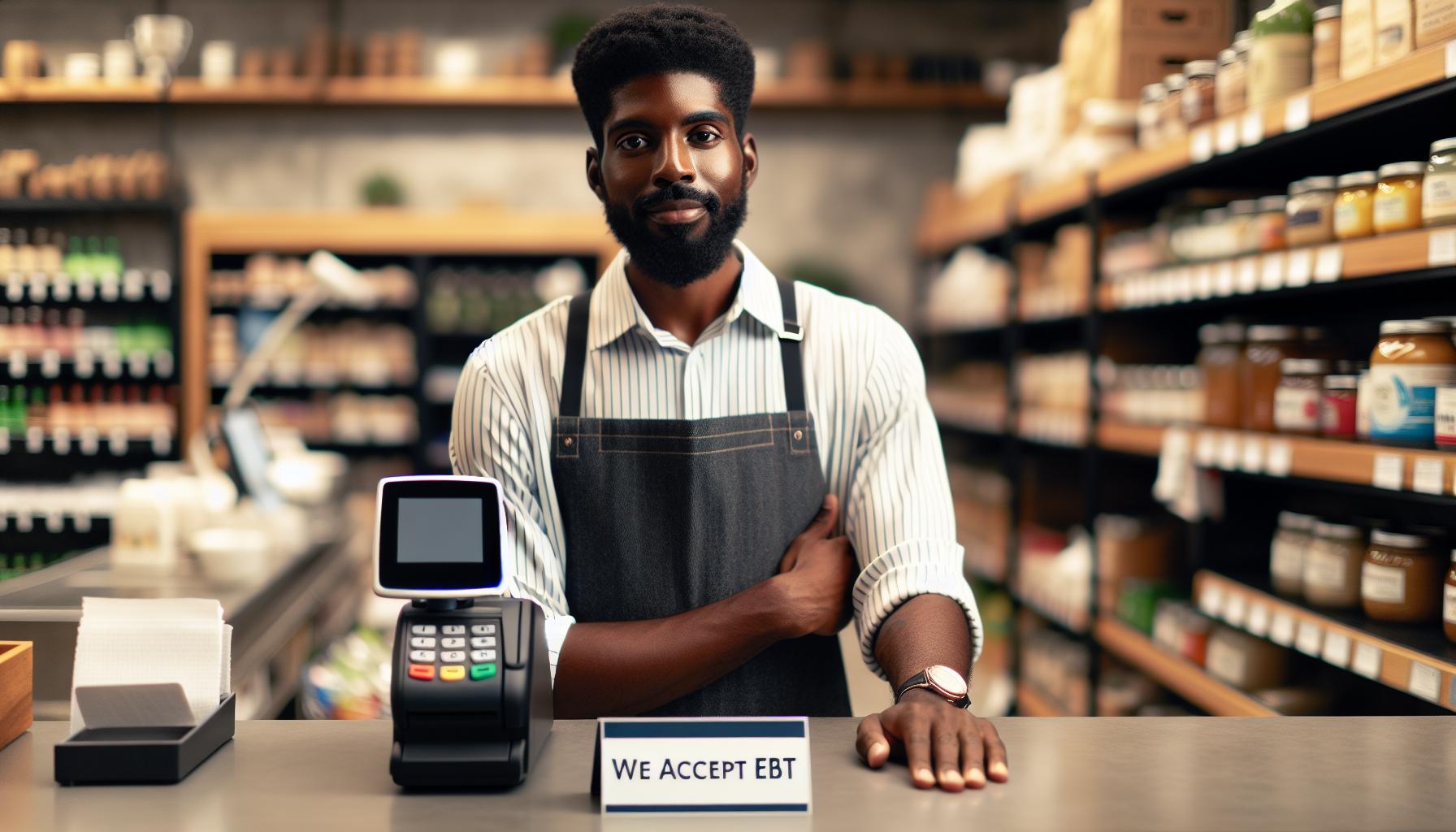
Eligibility Requirements for Accepting EBT
To successfully accept EBT, businesses must meet specific eligibility requirements that ensure compliance with federal and state regulations. This acceptance is primarily intended for retailers that sell food items, particularly to support low-income families and individuals who rely on government assistance programs like SNAP (Supplemental Nutrition Assistance Program). Understanding these requirements is crucial for businesses aiming to expand their customer base by reaching EBT users.
First, businesses must operate within the designated categories approved by the USDA. Generally, these include grocery stores, supermarkets, farmers’ markets, and certain convenience stores. Each category has its own set of requirements regarding the types of food items sold. For example, a store must stock a variety of staple foods such as fruits, vegetables, meats, dairy products, and bakery items. Establishments solely selling prepared foods or non-food items like toiletries are typically ineligible.
Additionally, businesses must obtain a Retailer Authorization through the USDA Food and Nutrition Service, which involves a simple application process. Key steps include providing basic information about the business, including its location, ownership, and the types of food offered. Businesses must also have a valid Employer Identification Number (EIN) and a physical location where EBT transactions will occur.
Once authorized, ongoing compliance is essential. Retailers must regularly update their information with the USDA and ensure that they adhere to EBT regulations, including not engaging in fraudulent activities like accepting EBT for ineligible products. Compliance also extends to training staff about EBT transactions and maintaining an effective system for redeeming benefits. This diligence not only helps to avoid penalties but also fosters trust within the community of EBT users, enhancing customer loyalty and promoting an inclusive shopping environment.
By understanding and meeting these eligibility requirements, businesses can effectively position themselves as valuable resources for low-income customers, ultimately increasing foot traffic and contributing positively to the community while promoting food accessibility.
Step-by-Step Guide to EBT Setup
To successfully integrate EBT into your business operations, it’s essential to follow a structured setup process that ensures compliance and functionality. Accepting EBT not only bolsters your customer base by catering to low-income individuals but also contributes to food access in your community. Here’s a comprehensive guide to help you navigate the EBT setup process with ease.
Start by applying for Retailer Authorization through the USDA Food and Nutrition Service (FNS). This application involves submitting detailed information about your business, such as its name, address, ownership structure, and the types of food products offered. Make sure to have your Employer Identification Number (EIN) on hand, as this is a mandatory requirement for verification. To start the application, visit the FNS website or contact your local FNS office for guidance.
Once your application is submitted and approved, you’ll need to set up an appropriate payment processing system. Choose a payment processor that is experienced in handling EBT transactions. Look for features such as transaction tracking, compatibility with your existing Point of Sale (POS) system, and customer support. It’s vital to select a processor that understands the nuances of EBT to help ensure smooth transactions. Many processors offer mobile POS systems that allow you to accept EBT payments right at the checkout.
Next, establish a secure method for training your staff on how to handle EBT transactions. Staff should be well-versed in the following areas:
- How to identify valid EBT cards
- Recognizing eligible and ineligible items for EBT purchases
- Correctly processing EBT transactions through your POS system
Implementing regular training sessions can help maintain compliance and improve the customer experience.
Don’t forget to review your compliance and reporting requirements. Ensure that your business adheres to all federal and state regulations regarding EBT. Regularly audit your transactions to verify that all EBT sales comply with the established guidelines. This will help avoid potential penalties and build trust within the EBT user community.
By following these steps methodically, you set your business on a path not only to successfully accept EBT payments but also to enhance overall customer satisfaction and community engagement.
Choosing the Right Payment Processor for EBT
Selecting the right payment processor for EBT can significantly enhance your business’s operational efficiency and customer satisfaction. As customer needs continue to evolve, an effective payment processing system is essential for not just compliance but also for delivering a seamless shopping experience. Considering factors such as compatibility, fees, and customer support becomes crucial in this decision-making process.
First and foremost, ensure that the payment processor you select specializes in EBT transactions. Traditional payment processors may not be equipped to handle the specific requirements associated with EBT, which includes the verification of benefits and transaction capabilities. Look for processors that integrate seamlessly with your existing Point of Sale (POS) system, facilitating a smooth workflow. A processor that offers robust transaction tracking features is invaluable, enabling you to monitor EBT sales easily and maintain accurate records for compliance purposes.
Additionally, consider the associated fees involved with EBT transactions. While many processors advertise competitive rates, the fee structure can vary significantly based on transaction volume, service tiers, and the specific services you require. Request a detailed breakdown of fees from potential processors to ensure there are no hidden costs that could affect your bottom line. A processor with transparent pricing and a clear service level agreement will help build trust and establish a reliable partnership.
Support services should also be a key factor in your decision. Look for a payment processor that offers dedicated customer service and technical support, especially during peak hours when EBT transactions spike. Having a knowledgeable support team that can assist with any issues or questions can alleviate stress and ensure that your EBT acceptance runs smoothly without interruptions. Many businesses have benefited from processors that provide ongoing training for staff, allowing for efficient handling of EBT transactions and quick resolutions to potential problems.
By thoroughly researching and assessing potential payment processors, you can set your business up for success in accepting EBT payments, enhancing your reputation, and fostering customer loyalty among EBT users.
Integrating EBT into Your Existing POS System
Integrating EBT into your existing Point of Sale (POS) system can dramatically enhance your business’s ability to serve a broader customer base. With nearly 50 million Americans using EBT for food purchases, leaving this payment option out can mean missing out on a significant revenue stream. However, the integration process requires careful planning and execution to ensure both operational efficiency and customer satisfaction.
The first step in integrating EBT is to verify that your current POS system supports EBT transactions. Many modern systems come equipped with this capability, but if yours does not, you may need to consider upgrades or replacements. Start by consulting your POS provider to confirm compatibility. They should be able to offer guidance on how to enable EBT functionality and what additional hardware, such as card readers, may be needed.
Once you’ve established compatibility, focus on configuring the software settings for EBT transactions. This typically involves accessing the admin settings of your POS system and enabling EBT payment options. During this step, make sure to input the necessary merchant identification numbers and verify that your system can connect to the appropriate state database for transaction validation. It’s vital that your POS retrieves real-time balance information, ensuring customers can easily and accurately use their benefits at checkout.
Next, training your staff is essential for a smooth transition. In-person training sessions can ensure your team understands how to process EBT transactions effectively, handle inquiries, and resolve common issues. It may also be beneficial to provide a quick reference guide or FAQ for them to consult during busy periods. As an example, consider role-playing different transaction scenarios to prepare staff for real-life customer interactions.
Finally, once your system is live, monitor the integration’s effectiveness by tracking sales data and customer feedback on the EBT purchasing experience. This will help identify any potential issues early and provide insight into how well the EBT acceptance is being received by your customer base. A seamless integration not only enhances the checkout experience but also positions your business as a community-oriented establishment, committed to serving all customers.
Best Practices for Managing EBT Transactions
Managing EBT transactions effectively can significantly elevate the customer experience, helping businesses tap into a substantial market of EBT users. With proper practices in place, merchants can minimize errors, reduce transaction times, and foster a positive environment for both customers and staff.
Staff training is one of the cornerstones of successfully managing EBT transactions. Implementing comprehensive training sessions ensures that employees understand the specific procedures necessary to process EBT payments correctly. This includes familiarizing them with common scenarios-such as how to handle balance inquiries or what to do if a transaction fails. Consider developing a clear, concise reference guide that staff can easily consult during peak hours. Role-playing different transaction scenarios can help prepare employees to address customer questions confidently and efficiently.
In addition to staff training, it’s crucial to maintain open lines of communication with your payment processor. Unexpected issues can arise, such as system outages or transaction declines, and having an established protocol for troubleshooting can save time and reduce frustration. Regularly reviewing your transaction reports can help identify patterns, such as frequent declines or slow transaction times, allowing you to adjust your approach as needed.
Another best practice for managing EBT transactions is to streamline the checkout process. This can be achieved by having dedicated signage indicating EBT acceptance and ensuring that card readers are easily accessible. Minimizing wait times is vital for both EBT and cash customers, so consider implementing measures like designated lanes for EBT transactions during busy periods. Furthermore, conducting periodic audits of your EBT transaction processes can help you stay compliant with regulations and identify areas for improvement, ensuring that your business remains a welcoming, efficient point of service for all customers.
By adopting these methods, your business can not only enhance its operational efficiency but also strengthen its reputation within the community as an inclusive retailer.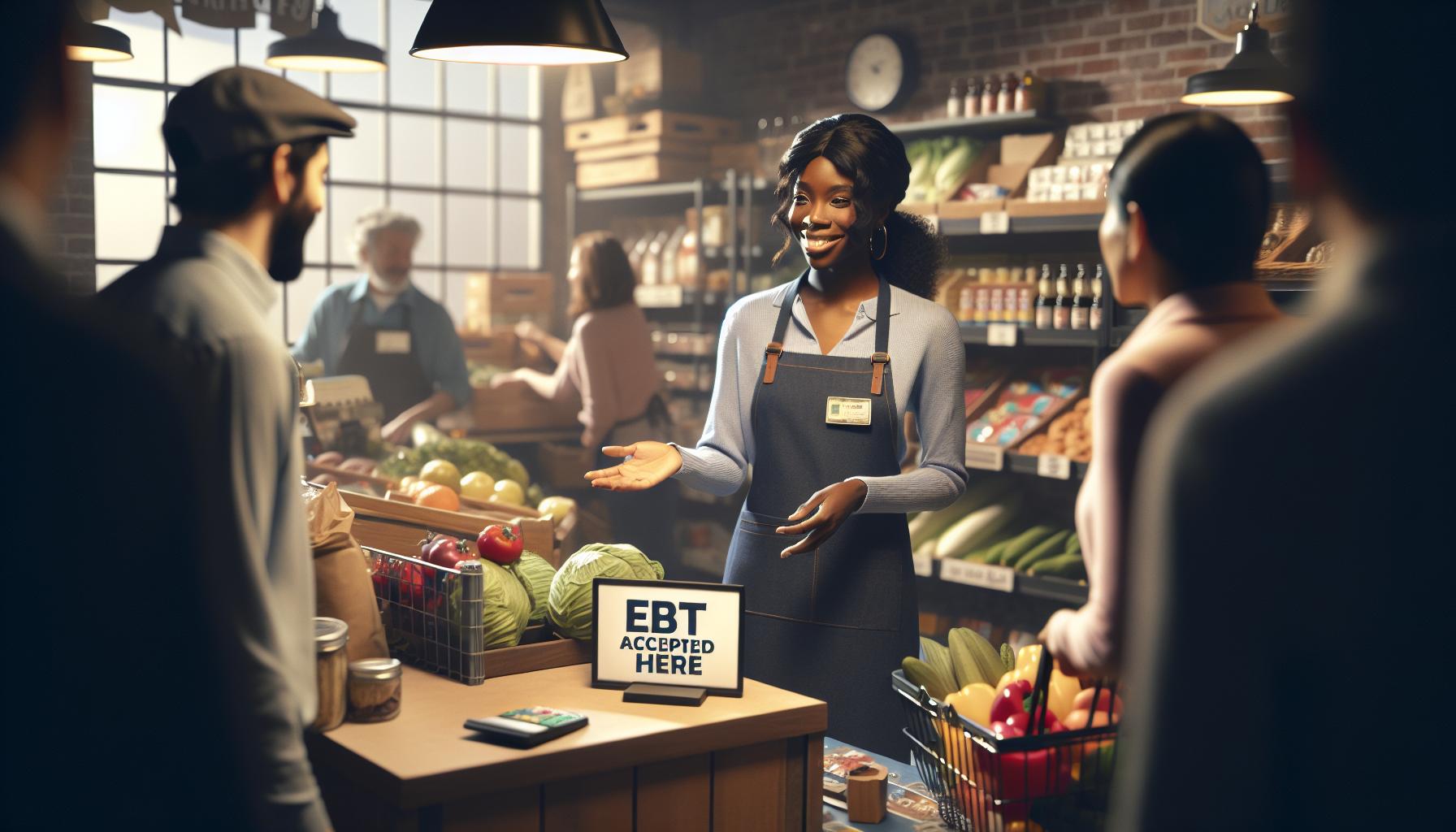
Promoting Your EBT Acceptance to Customers
Promoting EBT acceptance is not just about informing customers; it’s a strategic approach that can significantly enhance your business’s visibility and customer loyalty. By actively communicating your EBT services, you signal inclusivity and access, encouraging a broader customer base to shop at your store. A compelling statistic to consider is that approximately 42 million Americans benefit from the SNAP program, representing a significant segment of the market that is often underserved by many retailers.
One effective strategy for promoting your EBT acceptance is to leverage in-store signage and digital marketing. Create eye-catching displays near your entrance and checkout areas that clearly show your business accepts EBT. Use colorful posters or banners that highlight the benefits of shopping with EBT, making them visible to all customers. Additionally, consider adding an announcement on your website and social media channels. Posts that highlight your commitment to supporting the community by accepting EBT can resonate well with potential customers.
Social media can play a pivotal role in your promotional efforts. By creating posts that detail how your business facilitates EBT transactions, you can engage with your audience more directly. Sharing testimonials from satisfied customers who have utilized EBT can also foster a sense of community and trust. You might incorporate visuals showcasing your EBT-friendly products or share recipes that utilize items available in your store, thus motivating families to use their benefits creatively and effectively.
Beyond traditional media, consider partnering with local organizations, food banks, and community initiatives that advocate for food security. Sponsoring events or offering educational workshops can also reinforce your position as a community-oriented business. These partnerships not only create goodwill but can also lead to referrals from organizations that are engaged with EBT users, expanding your customer reach.
Overall, the key to effectively promoting EBT acceptance lies in consistent messaging and active participation in community initiatives, which together create a brand image that is inclusive, accessible, and supportive of the needs of diverse customers.
Navigating Common EBT Challenges and Solutions
Navigating the complexities of accepting Electronic Benefits Transfer (EBT) can pose several challenges for businesses, but being aware of these obstacles and how to address them can streamline the process and enhance profitability. One significant hurdle many retailers face is technical malfunctions with EBT terminals, which can lead to customer frustration and lost sales. Ensuring regular maintenance and updates for your EBT processing systems is crucial. If a transaction fails, having a clear protocol for handling such incidents, including taking note of the error codes and providing alternative payment options, can help maintain customer trust.
Another common challenge is understanding the regulatory requirements surrounding EBT acceptance. Businesses must stay updated on state and federal guidelines, which can vary significantly. Regular training for employees on EBT policies, including what can and cannot be purchased with benefits, can minimize confusion at checkout. Implementing a comprehensive training program that includes role-playing scenarios or providing easily accessible manuals can empower staff to assist customers effectively.
In addition to technical and regulatory challenges, businesses may encounter customer misconceptions about EBT. Some individuals might feel embarrassed using EBT cards. To foster a welcoming atmosphere, it’s essential to create a supportive environment. Consider discreet signage that indicates EBT acceptance and training staff to approach customers with respect. Sharing community initiatives focused on food access can also reassure customers that your business values inclusivity.
Lastly, integrating EBT into your business operations often requires a thorough understanding of your point of sale (POS) systems. If your current POS doesn’t support EBT, it can be a daunting task to switch systems or implement an upgrade. Researching vendors who specialize in EBT-compatible systems and soliciting feedback from peers who have navigated similar transitions can provide valuable insight. Also, engaging with your payment processor for assistance during the setup process ensures that you have support to address any unforeseen challenges effectively.
By proactively addressing technical glitches, regulatory requirements, customer attitudes, and system compatibility, businesses can not only implement EBT acceptance smoothly but also turn it into a strategic advantage that promotes community support and drives growth.
Stay Compliant: Legal Considerations for EBT
Ensuring compliance with legal requirements when accepting Electronic Benefits Transfer (EBT) is crucial for businesses aiming to serve low-income customers effectively. Familiarity with both state and federal regulations is not only a legal necessity but also a significant factor in maintaining customer trust and support. Failure to adhere to these standards can result in sanctions or disqualification from EBT programs, which can critically impact your business.
One fundamental requirement is to understand what products can be purchased with EBT benefits. Generally, EBT can be used to buy food items but cannot be used for hot prepared foods, alcohol, or non-food items. Businesses must clearly communicate what items are eligible for purchase using EBT. This includes training staff to help customers navigate their options, which can prevent confusion and frustration at checkout. Providing easily accessible signage and customer education materials can foster a positive shopping experience.
Another important aspect is the requirement for businesses to register with the appropriate state agency. This involves completing a set of applications and meeting specific conditions, such as demonstrating the ability to process EBT transactions. Participating retailers should also stay updated on any changes in guidelines, as regulations can evolve over time. Periodic training sessions for employees-covering the latest EBT rules, transaction processes, and customer service best practices-are an excellent way to ensure compliance and enhance operational efficiency.
Finally, it’s vital to maintain adequate records of all EBT transactions. This is not only required for compliance but also essential for auditing purposes. Keeping detailed records helps businesses manage their financials effectively and provides essential information in case of disputes or inquiries from regulatory agencies. By adopting thorough compliance practices, businesses can serve their communities better while also safeguarding their operations.
Utilizing EBT for Increased Customer Loyalty
Recognizing and embracing EBT can transform your business’s relationship with a significant segment of the community. By not only accepting EBT but also promoting its use, businesses can foster loyalty among customers who rely on benefits for their nutrition and well-being. This demographic appreciates businesses that support their needs, and aligning your brand with these values can develop a loyal customer base that returns again and again.
To effectively utilize EBT for increased customer loyalty, start with awareness and accessibility. Make your acceptance of EBT visible through signage both in-store and online, signaling to customers that they can shop with you without financial barriers. You might also consider hosting community events or promotions specifically targeting EBT users, such as “Double SNAP Days,” where customers can receive additional discounts or rewards when they use their benefits. This not only creates excitement but also positions your business as an active participant in supporting the community.
Additionally, cultivating a welcoming shopping environment is key. Train your staff not only in EBT transaction processes but also to recognize the sensitivities around using benefits. Knowledgeable and empathetic employees can enhance the shopping experience by making customers feel comfortable and valued. Consider implementing a rewards program that incentivizes repeat purchases with EBT. Such programs can offer points for every dollar spent, which can then be redeemed for discounts or free products, fostering ongoing loyalty while engaging customers in their shopping journey.
By creating programs and practices that specifically cater to the needs of EBT users, businesses can harness their purchasing power while building a dedicated customer community. This alignment of business strategy with customer needs not only enhances customer loyalty but can also contribute significantly to your bottom line.
Analyzing the Impact of EBT on Business Growth
Accepting EBT can significantly influence your business growth by unlocking access to a broader customer base and enhancing community relationships. The Supplemental Nutrition Assistance Program (SNAP) provides essential benefits to millions of individuals and families, allowing them to purchase groceries and essential items. By integrating EBT into your payment options, you not only cater to the nutritional needs of your customers but also position your business to thrive within this market segment.
Increased foot traffic is one of the primary impacts of accepting EBT. Stores that welcome customers utilizing SNAP benefits often see a noticeable rise in patronage, as individuals who rely on these benefits are more likely to frequent establishments that accommodate their purchasing methods. This increase can lead to enhanced sales volume over time. When combined with strategic marketing efforts-such as highlighting EBT acceptance through clear signage and social media campaigns-businesses can effectively attract these customers. Programs like “Double SNAP Days” or promotions that provide discounts for EBT users can further incentivize visits and repeat purchases.
Moreover, accepting EBT can foster community goodwill and enhance brand loyalty. Businesses that visibly support and advocate for their local communities often build stronger connections with customers, particularly those who depend on benefits for their day-to-day needs. Training staff to handle EBT transactions seamlessly and with sensitivity ensures that these customers feel valued-a crucial factor for maintaining loyalty. For instance, businesses can implement feedback loops, encouraging EBT users to voice their experiences and preferences, thus continually adjusting services to meet their needs.
Financially, integrating EBT into your operations can also result in higher margins, as studies have shown that individuals using SNAP benefits tend to have higher average transaction values compared to cash-paying customers. Emphasizing this potential for increased revenue, alongside a dedicated focus on community engagement, can become a cornerstone of your business growth strategy, ensuring that you not only survive but excel within your market.
In summary, the impact of EBT acceptance goes beyond simple transactions; it encompasses the creation of a long-term, sustainable business model that prioritizes community involvement, customer care, and financial performance. By embracing these opportunities, businesses can harness the power of EBT to drive growth and foster loyalty within their communities.
Resources and Support for EBT Acceptance
Integrating EBT acceptance into your business can seem daunting, but numerous resources are available to guide you through the process. These resources not only provide essential information but also empower you to navigate the complexities of EBT acceptance effectively. For example, the USDA’s Food and Nutrition Service (FNS) offers detailed guidelines on how to apply for and manage EBT services, including application processes and supportive materials tailored for retail establishments looking to provide SNAP benefits.
Additionally, online platforms such as MyACCESS serve as an excellent support system for Florida-based businesses to manage benefits online. This portal allows retailers to check their SNAP status, learn about SNAP regulations, and understand customer eligibility requirements, thereby streamlining the integration process. Be sure to regularly consult such resources to stay informed about changes in policy or benefits that could affect your operations.
Organizations and trade associations, like the National Grocers Association (NGA), often provide seminars, workshops, and webinars specifically focused on EBT acceptance. These sessions offer practical advice, accounting tips, and networking opportunities with other retailers who have successfully integrated EBT systems. Engaging in such community learning can provide insights into common pitfalls and best practices that will help you set up your EBT system efficiently.
Utilizing these resources creates a solid foundation for your EBT acceptance strategy. Consider subscribing to industry newsletters and following technological advancements in POS systems that support EBT transactions. Many modern payment processors provide educational content about connecting your existing systems with EBT functions, ensuring that your setup remains compliant, efficient, and user-friendly. By leveraging these tools, you can enhance your operational capabilities, improve customer service, and ultimately drive growth within your business.
Faq
Q: What types of businesses can accept EBT payments?
A: A variety of businesses can accept EBT payments, including grocery stores, farmers’ markets, convenience stores, and restaurants that participate in programs like the Restaurant Meals Program. Ensuring your business qualifies is vital, so check your local EBT program guidelines for specific eligibility criteria.
Q: How long does it take to set up EBT for my business?
A: Setting up EBT can take a few days to a few weeks. This timeframe includes obtaining a merchant account, choosing a payment processor, and ensuring your POS system is compatible. Start the process early to minimize disruptions to your business.
Q: Can I accept EBT for online sales?
A: Yes, it is possible to accept EBT for online sales, but it requires specific setup with a provider that supports electronic EBT transactions. Contact your payment processor to find out if they offer EBT acceptance for online purchases.
Q: Are there fees associated with accepting EBT payments?
A: Yes, there can be fees for processing EBT transactions, typically lower than credit card fees. These can include transaction fees and monthly service fees imposed by your payment processor. Understand these costs when setting up EBT acceptance.
Q: How can I train my staff to handle EBT transactions effectively?
A: Train your staff by providing clear guidelines on how to process EBT transactions within your POS system. Conduct hands-on practice sessions and distribute written instructions to ensure they are comfortable and knowledgeable about the EBT process.
Q: What should I do if a customer has problems using their EBT card?
A: If a customer encounters issues with their EBT card, first check your POS system for any error messages. If the problem persists, advise the customer to contact their local EBT customer service. Ensure your staff is trained to assist in resolving common issues.
Q: How can I promote my business’s acceptance of EBT?
A: Promote your EBT acceptance by displaying signage in your store, updating your website, and announcing on social media. You can also inform local community organizations to spread the word. Engaging with your customers about this service can increase foot traffic.
Q: What legal requirements should I be aware of when accepting EBT?
A: When accepting EBT, it’s essential to comply with federal and state regulations, which may include proper signage, maintaining transaction records, and understanding eligibility for participating products. Regularly reviewing your compliance can help you avoid penalties.
To Conclude
Thank you for diving into our comprehensive guide on accepting EBT for your business. By following these detailed steps, you not only enhance your customer base but also make a significant impact in your community by providing access to essential resources. Don’t wait-start implementing these strategies today to ensure you’re prepared to serve your customers better.
If you’re ready to take the next step, explore our article on optimizing payment systems for increased efficiency or check out our resources on local community assistance programs. Have questions or insights to share? We’d love to hear from you in the comments below! Remember, embracing EBT acceptance is not just a step in your business journey; it’s a commitment to fostering inclusivity. Let’s work together to make a difference!