
In the fast-paced world of business, efficiency is key, and Automated Guided Vehicles (AGVs) are leading the charge in revolutionizing industrial workflow. These self-propelled robots are designed to move materials seamlessly throughout facilities, enhancing productivity while minimizing human error. As businesses strive to optimize operations, understanding the role of AGVs is crucial for staying competitive. Whether you’re a decision-maker aiming to implement automation or a tech enthusiast curious about the latest advancements, this exploration of AGVs will provide valuable insights into their diverse applications, benefits, and how they can transform your operational strategy. Dive in to discover why integrating AGVs into your business model could be a game-changer for your bottom line and overall efficiency.
What is AGV in Business Settings?
In the context of modern business settings, Automated Guided Vehicles (AGVs) signify a paradigm shift in operational efficiency and productivity. These vehicles provide automated material handling solutions, streamlining logistics processes in a multitude of industries. By employing sophisticated navigation systems-such as laser-guided technology or magnetic strips-AGVs can transport goods within a facility without human intervention. This capability not only minimizes labor costs but also enhances accuracy and safety in environments such as warehouses, manufacturing plants, and distribution centers.
Implementing AGVs can lead to significant improvements across various operational metrics. For instance, businesses often report reduced cycle times and improved throughput after integrating AGVs into their logistics operations. The vehicles can operate continuously, performing tasks like transporting raw materials to production lines or moving finished products to shipping locations, effectively optimizing resource allocation. Additionally, their ability to precisely control movement reduces the potential for accidents and damages, thereby fostering a safer workplace.
However, adopting AGVs is not merely an automated upgrade; it requires careful planning and strategy development. Companies must assess their current workflows and facility layouts to identify areas where AGVs can be integrated effectively. Understanding the specific requirements-such as the types of goods being handled, the layout of the operations, and the anticipated volume of transport-plays a crucial role in selecting the right type of AGV system. Moreover, effective integration often involves collaboration with IT and logistics teams to ensure seamless communication between AGVs and existing management systems.
In summary, AGVs represent a transformative step forward for businesses looking to enhance their operational capabilities. Their implementation can result in significant cost savings, improved safety, and higher efficiency, making them a vital component of modern industrial automation strategies. As industries continue to embrace automation, the strategic adoption of AGVs will likely evolve, further revolutionizing how goods are managed and transported in increasingly complex business environments.
The Evolution of Automation Technology
The journey of automation technology has undergone remarkable transformations that have reshaped industries and defined modern productivity. Initially, the concept of automation meant using machines to perform repetitive tasks, which evolved with advancements in computer technology. The advent of microprocessors and programmable logic controllers (PLCs) laid the groundwork for more sophisticated automatic systems. As businesses sought to enhance operational efficiency, integrating robotics into their workflows became increasingly prevalent.
Today, Automated Guided Vehicles (AGVs) represent a sophisticated iteration of this automation evolution. Their development began in the 1950s, when early models used cables to direct their paths. Over the decades, advancements in sensors, artificial intelligence, and navigation technologies have vastly improved the capabilities of AGVs. Modern AGVs utilize a combination of technologies, including LIDAR, vision systems, and complex algorithms, allowing for dynamic route planning and real-time obstacle avoidance. The shift from rigid pathways to flexible navigation systems enables AGVs to operate in unpredictable environments, adapting on the fly to changing conditions.
As automation technology continues to evolve, its influence permeates various sectors, including manufacturing, logistics, and healthcare. Businesses are leveraging AGVs not just for efficiency but also for enhancing worker safety. For instance, by taking over the transport of heavy materials, AGVs minimize the physical strain on employees, thereby reducing the risk of workplace injuries. Furthermore, the integration of AGVs with IoT (Internet of Things) allows for unprecedented levels of visibility and control over logistics processes, leading to data-driven decision-making and improved resource management.
Investing in AGVs signifies a forward-thinking approach to operational strategy. Companies that adopt this technology are not just keeping pace with competition; they are often setting new standards in efficiency and service delivery. The gradual evolution from manual operations to fully automated systems embodies a transformative shift towards optimized supply chains and enhanced customer experiences, revealing the relentless drive toward innovation in today’s business landscape.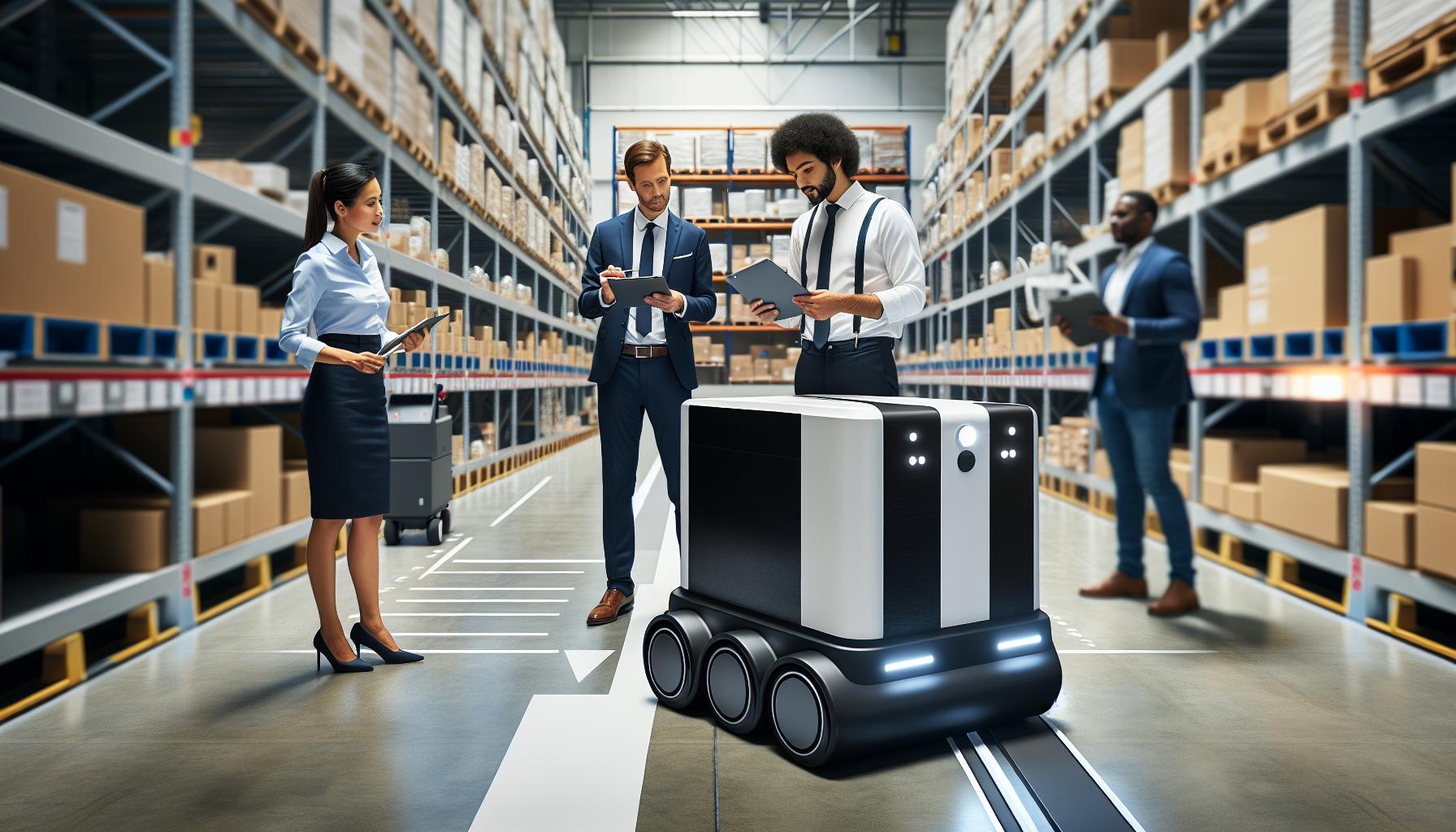
Key Benefits of Using AGVs in Operations
In today’s competitive industrial landscape, businesses are under immense pressure to optimize operations while reducing costs. Automated Guided Vehicles (AGVs) are becoming essential players in this quest, delivering benefits that extend far beyond mere automation. AGVs are designed to improve efficiency in material handling, streamlining processes and minimizing errors caused by manual labor. By incorporating AGVs into operations, businesses can unlock a multitude of advantages that enhance productivity and profitability.
One of the most significant benefits of AGVs is their ability to operate continuously without fatigue, significantly increasing throughput. As these vehicles are programmed to operate autonomously, they can transport goods across facilities without the need for breaks or downtime, enabling a smoother flow of operations. This feature not only accelerates production cycles but also allows human workers to focus on more complex tasks that require critical thinking and creativity, rather than repetitive labor.
Moreover, AGVs contribute to improved safety standards within the workplace. By taking over the transportation of heavy loads, AGVs reduce the physical strain on employees, thereby minimizing the risk of workplace injuries. In environments where hazardous materials are handled, integrating AGVs can lead to safer operations by reducing human exposure to potential dangers. Furthermore, equipped with advanced navigation systems and sensors, AGVs can operate safely in busy environments, avoiding obstacles and ensuring a secure operational area.
Another key benefit is the enhanced accuracy that AGVs bring to inventory management. These vehicles are equipped with precise tracking and reporting systems, effectively reducing the chances of errors in counting and locating inventory. This accuracy translates into real-time data that can significantly improve decision-making processes across the supply chain. With accurate inventory tracking, businesses can reduce excessive stock levels, lower carrying costs, and enhance overall resource allocation.
In summary, the implementation of AGVs provides a myriad of advantages that can transform operations. By enhancing efficiency, improving workplace safety, and increasing inventory accuracy, businesses can create a more agile and responsive operational framework. As organizations increasingly look for ways to leverage technology for competitive advantage, the deployment of AGVs represents a strategic move toward operational excellence and sustained growth.
Types of Automated Guided Vehicles
Automated Guided Vehicles (AGVs) come in several forms, each tailored to meet specific operational requirements in the industrial landscape. Understanding the different types of AGVs is crucial for businesses looking to optimize their material handling processes effectively.
AGVs can generally be classified into several categories based on their design and functionality:
- Towing AGVs: These vehicles pull trailers or carts loaded with materials or products. They are often used in manufacturing and distribution centers to move bulky items, providing flexibility in transporting heavy loads without requiring substantial floor space.
- Unit Load AGVs: Designed to carry a fixed load such as pallets or crates, these AGVs are commonly utilized in warehouses and fulfillment centers. They are typically equipped with forks or platforms that align with standard storage and handling systems.
- Forklift AGVs: These are specialized AGVs equipped with forks that can lift loads from shelves. They are versatile in storage and can navigate through narrow aisles, making them ideal for high-density warehouse environments.
- Hybrid AGVs: Combining features from various types, hybrid AGVs can perform multiple functions, such as towing, lifting, or even autonomous transport of goods, providing a flexible solution tailored to complex workflows.
- Automatic Mobile Robots (AMRs): While not traditional AGVs, AMRs use advanced navigation technology, such as LiDAR or computer vision, to navigate dynamically and change their routes as necessary. They are particularly valuable in environments where layouts may change frequently.
- Delivery AGVs: Designed primarily for last-mile delivery, these AGVs can operate autonomously in urban environments to transport goods directly to customers, enhancing service efficiency.
As businesses decide on the type of AGV to implement, it is essential to consider factors such as load capacity, operational environment, and desired tasks. For instance, a warehouse focused on high-volume pallet handling may benefit more from unit load or forklift AGVs, while a manufacturing plant with diverse material handling needs might opt for a combination of tow and hybrid AGVs.
Incorporating the right type of AGV not only improves operational efficiency but also enhances the overall workflow, allowing for seamless integration into existing systems while minimizing disruption. Understanding these types empowers businesses to make informed technology investments that align with their strategic objectives.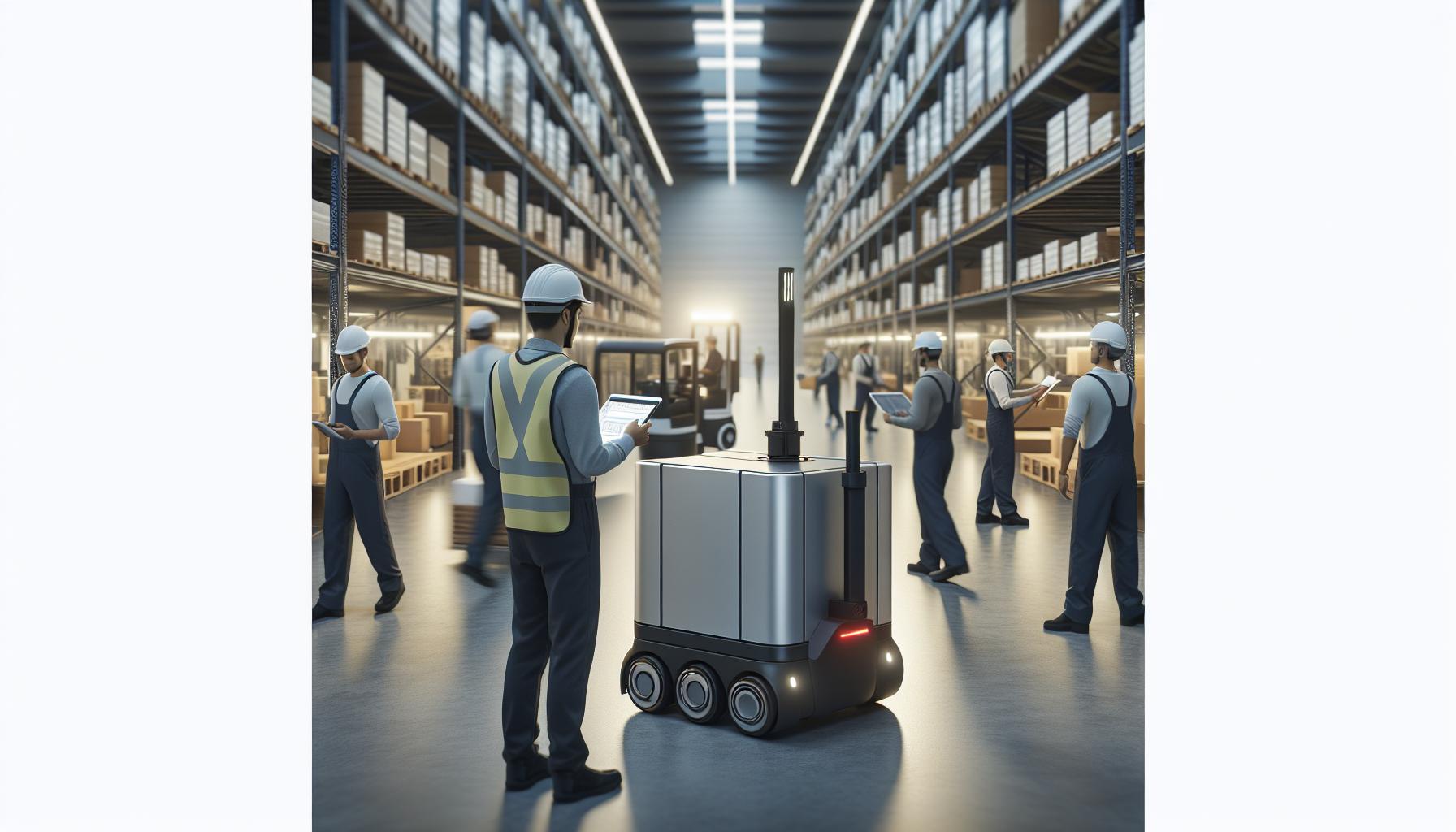
Integrating AGVs into Your Existing Workflow
Integrating automated guided vehicles (AGVs) into your existing workflow can be a transformative step for operational efficiency, but it requires a thoughtful approach to ensure compatibility and effectiveness. The first step is conducting a thorough analysis of your current processes. Identify bottlenecks, repetitive tasks, and areas with high manual labor costs. This will help you determine how AGVs can best support your operational needs, such as moving materials between departments or managing inventory in a warehouse.
Collaboration between IT and operations teams is essential for successful implementation. Both groups need to evaluate the existing infrastructure and consider the potential need for upgrades. For instance, if your AGVs require specific navigation technology like magnetic strips or QR codes, you’ll need to assess how these can be integrated with your current systems. Leveraging data from existing management systems can help in mapping out the most efficient routes for your AGVs and ensuring they can communicate effectively with other devices.
Furthermore, piloting the integration with a small fleet of AGVs in a controlled environment allows for adjustments based on real-time feedback. This phase is critical for testing functionality, addressing unforeseen challenges, and training staff on how to interact with the new technology. Regularly reviewing performance metrics during the pilot can provide insights into the AGVs’ impact on productivity, helping to refine their routes and tasks before a full-scale rollout.
Finally, fostering an organizational culture that embraces change is vital. Training programs to upskill employees on AGV operation and maintenance can help mitigate resistance, while also aligning team goals with the overall strategic vision of automation and efficiency. By ensuring your workforce views AGVs as tools that enhance productivity rather than replacements for their labor, you can cultivate a smooth transition that maximizes the benefits of this advanced technology.
Challenges in AGV Implementation
Implementing automated guided vehicles (AGVs) can transform operational efficiency, yet several challenges must be navigated to realize these benefits fully. One significant hurdle involves the initial investment and ongoing operational costs associated with AGVs. Organizations must budget not only for the purchase of the vehicles but also for the necessary infrastructure changes, maintenance, and potential software updates. This financial commitment requires diligent planning and an understanding of the long-term return on investment (ROI).
Moreover, integration with existing systems poses its own set of challenges. Many businesses operate on legacy systems that may not be compatible with newer AGV technology. For example, if an organization relies heavily on manual operational processes, transitioning to an automated system requires a cultural shift. Staff must be trained not only on operating AGVs but also on adapting workflows to incorporate this new technology. Resistance to such changes can impede implementation success and create friction within teams.
Logistical challenges are also prevalent, especially concerning navigation and safety. AGVs often need to operate in dynamic environments where human workers are present. Implementing safety measures like sensors and collision avoidance systems adds complexity to the deployment. A well-defined strategy must be developed to ensure AGVs can navigate safely and efficiently without disrupting team operations.
Lastly, ensuring data integrity and effective communication between AGVs and existing management systems is critical. It is essential to establish robust IT support and maintain clear lines of communication across departments. Without it, businesses may face delays and misunderstandings that can undermine the effectiveness of AGV deployment. Addressing these implementation challenges with comprehensive planning and cross-functional collaboration can lead to successful AGV integration that enhances productivity and efficiency.
Best Practices for AGV Management
To ensure the effective management of Automated Guided Vehicles (AGVs) within business settings, it’s critical to adopt best practices that align with both operational goals and safety standards. A well-structured management strategy can significantly enhance productivity while minimizing risks associated with automation.
Regular Maintenance and Sustainability
Implementing a routine maintenance schedule for AGVs is essential. This includes regular checks on battery life, safety sensors, and navigational systems to preempt breakdowns that can disrupt operations. Keeping maintenance logs can help in tracking vehicle performance trends, identifying potential issues before they escalate, and ensuring compliance with safety regulations. Moreover, focusing on sustainability by monitoring energy consumption can lead to cost savings and improved environmental impact, allowing businesses to align with modern sustainability initiatives.
Comprehensive Training Programs
Investing in thorough training programs for employees who interact with AGVs is crucial. Effective training should cover not only the technical operational aspects but also emergency procedures. Employees should be well-versed in how AGVs integrate with existing workflows and how to maintain safety protocols while working in their vicinity. Utilizing simulations for training can prepare staff for real-world scenarios, reducing the likelihood of accidents and improving overall system efficiency.
Data Management and Analytics
Leveraging data to monitor AGV performance allows businesses to optimize their operations continuously. Implementing an analytics framework can provide insights into vehicle usage patterns, downtime, and workload distribution. Managers should analyze this data to identify bottlenecks and inefficiencies, enabling proactive adjustments to workflows and schedules. Additionally, integrating AGVs with Warehouse Management Systems (WMS) can enhance inventory accuracy and reduce manual intervention, facilitating a smoother operational flow.
Safety Protocols and Continuous Improvement
Establishing strict safety protocols is paramount in environments where AGVs and human workers coexist. This includes the deployment of safety zones, signage, and physical barriers where necessary. Continuous improvement practices, such as gathering feedback from employees regarding AGV operations and safety concerns, can foster a culture of safety and innovation. Encouraging an open dialogue regarding potential safety hazards empowers employees to contribute to a safer working environment and drives improvements in AGV management.
By implementing these best practices, organizations can harness the full potential of AGVs, leading to enhanced operational efficiency, improved safety, and greater employee satisfaction. The careful management of automated systems not only boosts productivity but also creates a robust framework that can adapt to evolving technological trends in the automation landscape.
Future Trends in AGV Technology
The landscape of Automated Guided Vehicles (AGVs) is rapidly evolving, driven by advancements in technology and growing demands for efficiency in various business sectors. Today’s AGVs are not just tools for transportation; they are becoming integral components of smart manufacturing and logistics solutions. As organizations strive to enhance productivity and reduce operational costs, several are emerging that will shape the industry landscape.
One significant trend is the integration of artificial intelligence (AI) and machine learning. These technologies enable AGVs to improve their navigation and operational efficiency over time. Equipped with advanced sensors and algorithms, AGVs can analyze their environment, adapt to changing conditions, and make decisions without human intervention. For instance, AI-driven AGVs can optimize their routes in real-time, reducing cycle times and energy consumption while adapting to obstacles or changes in workflow.
Moreover, the push towards Industry 4.0 is influencing AGV development. As businesses embrace IoT (Internet of Things) technologies, AGVs are increasingly being connected with other systems and devices within the supply chain. This connectivity allows for seamless data sharing and real-time monitoring, helping organizations make informed decisions. For example, AGVs integrated with Warehouse Management Systems (WMS) can provide up-to-date inventory data, enabling dynamic adjustments in operations and improving overall supply chain responsiveness.
Additionally, the demand for autonomous collaborative robots, or cobots, is growing. These AGVs are designed to work alongside human workers, enhancing operational safety and efficiency. With advancements in sensors and communication technologies, cobots can safely navigate shared spaces, performing tasks such as material handling and delivery while ensuring a cooperative workflow with human operators. This trend not only improves productivity but also enhances safety in environments where AGVs and staff interact.
Lastly, sustainability is becoming an essential focus in the future of AGV technology. As organizations seek to minimize their environmental footprint, the development of energy-efficient AGVs that utilize renewable energy sources or advanced battery technologies is becoming more prevalent. Manufacturers are investing in optimizing AGVs’ energy consumption through software advancements and design improvements, which not only helps reduce operational costs but also aligns with global sustainability initiatives.
In conclusion, the future of AGV technology is bright, characterized by smarter, more efficient systems that are increasingly integrated into the digital ecosystem of modern businesses. These trends indicate a move towards more autonomous, collaborative, and sustainable solutions that will redefine efficiency in supply chain and manufacturing operations. Embracing these innovations will empower organizations to stay competitive in a rapidly changing market environment.
Real-World Applications of AGVs
In various industries, the deployment of Automated Guided Vehicles (AGVs) has transformed the way goods are handled, significantly enhancing operational efficiency. These vehicles serve numerous applications, driving innovation and optimizing workflows across sectors such as manufacturing, warehousing, and healthcare. For instance, in manufacturing environments, AGVs can transport raw materials from storage areas directly to production lines, eliminating bottlenecks and reducing the reliance on manual labor. This seamless movement not only shortens cycle times but also minimizes human error, ultimately resulting in increased production capabilities.
In warehouses, AGVs are particularly advantageous for inventory management. They can be programmed to retrieve items from shelves, transport them to packing stations, and even facilitate shipping logistics. With real-time tracking capabilities, businesses can ensure precise inventory counts and accelerate order fulfillment processes. A notable example is Amazon, which has integrated AGVs into its fulfillment centers, enabling quick and efficient handling of millions of products daily, demonstrating how automation can meet the demands of rapid order processing and customer fulfillment.
Healthcare settings also benefit from AGV technology. Hospitals employ AGVs for tasks such as delivering medications, transporting linens, and even disposing of waste. This application reduces staff workload and minimizes the risk of cross-contamination by limiting human interaction with potentially hazardous materials. A case in point is a hospital in Switzerland that reports significant time savings and improved workflow efficiency since implementing AGVs for logistics tasks.
Moreover, the flexibility of AGVs allows them to be tailored to specific operational needs, with many systems able to adapt to changes in layout or task requirements without extensive reprogramming. As businesses continue to evolve, those that adopt AGV technology find themselves at a competitive advantage, leveraging automation to enhance productivity, reduce costs, and improve safety across various operational landscapes.
Comparing AGVs to Other Automation Solutions
Automated Guided Vehicles (AGVs) are increasingly pivotal in the business landscape, especially concerning operational processes and efficiency. When , such as Autonomous Mobile Robots (AMRs) and traditional conveyor systems, it is essential to understand their distinctive functionalities, advantages, and limitations.
AGVs primarily follow predetermined paths utilizing magnetic strips, lasers, or wires, making them suitable for environments where workflows are repetitive and predictable. This contrasts with AMRs, which navigate using advanced sensors and artificial intelligence, enabling them to adapt to dynamic environments and obstacles. While they both serve the purpose of automating logistical tasks, the decision to deploy one over the other should consider specific operational needs. For instance, an AGV may be ideal for a manufacturing plant’s assembly line where movements are consistent, while AMRs might be better for a warehousing operation requiring flexibility.
Key Differences
- Navigation: AGVs rely on fixed pathways, ensuring safety and predictability, whereas AMRs can navigate in real-time, adjusting their route based on the environment.
- Cost: AGVs generally entail lower initial investment costs but may involve higher expenses in the long run for path alteration and system upgrades. AMRs, while initially more costly due to advanced technology, can save money through better flexibility and adaptability.
- Implementation Time: AGVs can often be rolled out quickly in established environments. In contrast, AMRs may require more extensive setup, particularly for customization in unpredictable environments.
Another comparison can be made with traditional conveyor systems. Unlike AGVs, conveyors are fixed installations that move materials along a specific route. This means they lack the flexibility AGVs offer, such as changing load routes or operational areas. However, conveyor systems can be more efficient for high-volume, constant flow processes. Choosing between AGVs and conveyors often hinges on production variability and layout. For companies with a stable production flow, conveyors might suffice, but those anticipating growth or diversification in operations may find AGVs superior due to their adaptability.
Implementation Considerations
When considering AGVs versus other solutions, stakeholders should also evaluate their operational layout, workforce capabilities, and specific logistical needs. Engaging with automation experts to conduct a thorough analysis can provide insights into which technology aligns with strategic business objectives. Overall, while AGVs offer a robust solution for myriad applications, the best choice may vary depending on specific industry requirements, automation goals, and future scalability plans.
In conclusion, comparing AGVs with other automation technologies helps businesses make informed decisions tailored to their unique logistics and operational challenges. As automation technology continues to advance, understanding these distinctions will be critical in optimizing operations for increased efficiency and productivity.
Measuring the ROI of AGV Investments
In today’s competitive business landscape, understanding the return on investment (ROI) of Automated Guided Vehicles (AGVs) is vital for organizations aiming to optimize their operations. Implementing AGVs can seem like a substantial capital expenditure, but their benefits often surpass initial costs when measured correctly. Companies deploying AGVs commonly report enhancements in productivity, safety, and operational efficiency, which significantly contribute to long-term profitability.
To effectively measure the ROI of AGV investments, organizations should start by calculating their total costs, including initial purchase, installation, maintenance, and any necessary infrastructure modifications. Additionally, it’s crucial to factor in operational costs with and without AGVs to gauge the potential savings. This includes evaluating labor costs, as AGVs can reduce reliance on manual handling and minimize labor-related expenses. For instance, if an AGV system reduces the need for five manual workers whose combined annual salary is $250,000, that’s a significant immediate saving that can be used to offset initial investment costs.
Next, consider the productivity gains from AGVs. For example, if AGVs can increase throughput by 20%, this productivity boost translates into higher output without significantly increasing labor costs. Calculating the increased value produced by the AGVs versus the cost of implementation will provide a clearer picture of ROI. Additionally, measuring improvements in accuracy and fewer accidents due to reduced human error can also enhance long-term savings and contribute positively to the ROI equation.
It’s also insightful to assess the intangible benefits, such as improved employee satisfaction and retention. Automated systems can reduce the physical strain on workers, allowing them to focus on higher-value tasks, which can ultimately lead to a more motivated and productive workforce. These factors should be taken into account when evaluating overall ROI since they contribute to a healthier bottom line over time.
Finally, crafting a multi-year outlook for AGV investment is essential. Given that AGVs generally have a lifespan of several years, organizations should project savings and performance enhancements over this period to determine the full financial impact. Regularly reviewing performance against these projections will ensure that the AGV implementation remains aligned with strategic business goals. By systematically evaluating both direct financial returns and indirect benefits, businesses can make informed decisions about AGV investments and pave the way for sustained operational excellence.
Frequently asked questions
Q: What does AGV mean in the context of business automation?
A: AGV stands for Automated Guided Vehicle, which refers to mobile robots used for transporting materials in various business settings, enhancing efficiency and reducing labor costs.
Q: How do Automated Guided Vehicles work in business settings?
A: Automated Guided Vehicles utilize various technologies like lasers, magnets, or cameras to navigate predefined paths, enabling them to transport goods without human intervention.
Q: What are the advantages of using AGVs in industries?
A: AGVs offer several advantages, including improved safety by minimizing human error, cost savings through labor reduction, and increased productivity by streamlining the transportation of materials.
Q: What industries utilize Automated Guided Vehicles?
A: Industries such as manufacturing, warehousing, healthcare, and logistics commonly use AGVs to automate transportation tasks and optimize workflow.
Q: What challenges might businesses face when implementing AGVs?
A: Challenges include high initial costs, integration with existing systems, and the need for staff training to effectively manage the technology.
Q: How can businesses measure the ROI of AGV investments?
A: Businesses can measure ROI by analyzing cost reductions in labor, improvements in efficiency, and the overall increase in throughput after implementing AGVs.
Q: Are AGVs suitable for small businesses?
A: Yes, AGVs can be adapted for small businesses, especially if there are repetitive transportation tasks. They can improve efficiency and scalability without significant labor costs.
Q: What future trends are expected in AGV technology?
A: Future trends include advancements in AI and machine learning for enhanced navigation, improved battery technologies for longer operation times, and increased customization for specific industry needs.
Final Thoughts
As we wrap up our exploration of Automated Guided Vehicles (AGVs) in business automation technology, it’s clear that integrating these systems can significantly enhance operational efficiency and reduce costs. By leveraging AGVs, companies can streamline workflows, minimize human error, and improve safety in the workplace. If you’re considering implementing AGVs or want to learn more about their benefits, resources like our detailed guides on optimizing industrial workflows and best practices for automation can provide valuable insights.
Don’t miss out on the opportunity to stay ahead in the automation landscape. Sign up for our newsletter to receive the latest updates and expert advice on innovative technologies. Have questions or insights about AGVs? Join the conversation in the comments below or explore our other articles focused on industrial automation and technology solutions. Together, let’s unlock the full potential of your business with AGV systems-a smart investment for your future.