In the fast-paced world of business, understanding the acronym POS is essential for any entrepreneur or manager. POS stands for Point of Sale, a critical component that bridges the gap between customer transactions and business operations. This system not only processes payments but also manages inventory, tracks sales, and provides valuable insights into customer behavior. As businesses adapt to evolving consumer needs, mastering POS technology can significantly enhance efficiency and profitability. In this comprehensive guide, you’ll uncover the full meaning of POS, its importance, and how leveraging this technology can streamline your business operations. Dive in to discover how a robust POS system can transform your retail or restaurant experience, putting you a step ahead in today’s competitive landscape.
What is POS in Business? A Clear Definition
Point of Sale (POS) systems are essential tools that play a crucial role in contemporary business operations. At their core, POS systems are the technology interfaces used by businesses to facilitate sales transactions. These systems enable retailers, restaurants, and service providers to accept payments, manage inventory, and track customer data effectively. A POS system combines hardware and software components, allowing for real-time sales processing, report generation, and financial management, all in one streamlined solution.
The functionality of POS systems has evolved significantly, integrating advanced features that provide businesses with insights into consumer behavior, stock levels, and sales trends. For instance, modern POS solutions not only support various payment methods, including credit cards, mobile payments, and gift cards, but also offer capabilities such as customer relationship management (CRM) and sales forecasting. This comprehensive approach allows businesses to operate more efficiently and make informed decisions based on actionable data.
Choosing the right POS system is critical for businesses of all sizes. Factors such as industry-specific needs, the scale of operations, and budget considerations play a significant role. For example, a retail store might prioritize inventory tracking and customer loyalty programs, while a restaurant may focus on table management and menu customization. Ultimately, a well-selected POS system can drastically improve operational efficiency and enhance customer service, making it a vital investment for any business seeking to thrive in a competitive landscape.
The Importance of POS Systems in Transactions

The effectiveness of transactions in modern businesses hinges significantly on the capabilities of POS systems. As more consumers gravitate towards digital payment methods, having a robust point-of-sale system is not just beneficial; it’s essential. A well-functioning POS system streamlines the transaction process, minimizes wait times, and enhances overall efficiency. For example, integrating touchless payment options and mobile wallets can cater to the growing demand for speed and convenience among customers, which, in turn, can lead to increased sales and enhanced customer satisfaction.
Beyond just facilitating payments, POS systems play a vital role in gathering valuable data during transactions. This data can provide insights into purchasing patterns and customer preferences, allowing businesses to tailor their marketing strategies more effectively. For instance, a coffee shop might identify peak hours for specific drinks and adjust staffing accordingly or launch targeted promotions based on customer purchasing behaviors. The ability to analyze transaction data empowers businesses to make informed decisions, ultimately driving growth.
In addition to transaction efficiency and data utilization, POS systems enhance security during transactions. Today’s systems come equipped with advanced encryption and payment protection features, which help mitigate fraud and build consumer trust. By ensuring that payments are processed securely, businesses not only protect themselves from potential losses but also foster a sense of security and loyalty among customers who value their personal information.
Moreover, the importance of seamless integration with other business software cannot be overstated. A modern POS system can synchronize with inventory management, accounting software, and customer relationship management systems. This interconnectedness means that businesses can achieve a holistic view of their operations, allowing them to respond swiftly to changes in inventory levels, ensure accurate financial tracking, and enhance customer interactions. Overall, the pivotal role of POS systems in transactions extends far beyond simple payment processing; it encompasses operational efficiency, customer relationship building, and strategic decision-making, all contributing to a business’s success in a competitive environment.
Types of POS Systems: Which One is Right for You?

Selecting the right point-of-sale (POS) system for your business can significantly impact your daily operations and customer satisfaction. With various options available, choosing a system tailored to your specific needs is crucial. Different types of POS systems cater to varied business models, ensuring you have the right tools for effective transactions and management.
One common classification is based on the deployment method: Cloud-Based vs. On-Premise POS Systems. Cloud-based systems, such as those provided by Square, allow for remote access and real-time updates, ideal for businesses that operate across multiple locations or require flexibility, such as mobile businesses or restaurants. In contrast, on-premise systems install directly on local servers, providing complete ownership and control. This type can be particularly appealing for large establishments with complex operational needs but often involves higher upfront costs and maintenance responsibilities.
Another significant distinction lies in the industry specialization of POS systems. Retail POS systems focus on inventory management and customer relationship tools, essential for shops where sales tracking and stock levels are paramount. For example, a retail store may benefit from a POS that integrates seamlessly with e-commerce platforms to manage both in-store and online orders. On the other hand, restaurant POS systems offer features tailored to food service environments, including table management, order modification, and split billing, which enhance workflow efficiency and customer satisfaction.
Additionally, consider the payment options that your chosen system will support. As consumer preferences shift toward digital payments and contactless transactions, selecting a POS that can accommodate these methods is vital. Systems that integrate with various payment software and support mobile payment options can enhance customer convenience and potentially increase sales.
Ultimately, determining the right POS system involves evaluating your specific business needs, including your industry type, transaction volumes, and budget. By thoroughly assessing these factors, you can select a system that not only meets your current requirements but also adapts as your business grows.
Key Features of Modern POS Solutions

Modern point-of-sale (POS) solutions are packed with features that go beyond simple transaction processing, transforming how businesses operate and interact with customers. These systems are designed to enhance efficiency, accuracy, and customer satisfaction by integrating the latest technology and data-driven capabilities.
One of the standout features of contemporary POS systems is their cloud integration, which allows businesses to access real-time data remotely. This functionality supports multi-location operations, enabling business owners to monitor sales, inventory, and employee performance from anywhere. Additionally, cloud-based systems often provide automatic updates, ensuring that the software continually evolves to meet changing business needs without interrupted service.
Furthermore, inventory management is another critical feature. Modern POS solutions simplify the tracking of stock levels, automate reordering processes, and provide detailed analytics on sales trends. For example, a retail store can use these insights to identify best-selling products and adjust marketing strategies accordingly. Similarly, a restaurant may benefit from tools that track ingredient usage and alert managers when they need replenishment, thus reducing waste and optimizing cost management.
Customer relationship management (CRM) functionality is also integral to modern POS systems. These features enable businesses to collect and analyze customer data, personalize marketing efforts, and improve customer engagement. Features like loyalty programs, reward points, and targeted promotions can significantly enhance the customer experience, driving repeat business and increasing overall customer satisfaction.
In summary, when evaluating POS systems, consider features like cloud integration, robust inventory management, and integrated CRM tools as essential components for improving operational efficiency and enhancing customer interactions. Investing in a POS solution that incorporates these elements not only streamlines transactions but also supports sustainable growth and competitive advantage in an increasingly digital landscape.
How POS Systems Enhance Customer Experience

Modern point-of-sale (POS) systems are revolutionizing the customer experience by creating more streamlined, enjoyable, and personalized shopping journeys. With features that extend far beyond mere transaction processing, these systems empower businesses to foster deeper relationships with their customers, ultimately enhancing satisfaction and loyalty. A recent study revealed that businesses utilizing advanced POS technologies saw a marked increase in customer engagement and retention rates, showcasing the substantial impact that these systems can have when properly integrated.
One of the core ways POS systems enhance the customer experience is through improved transaction efficiency. Quick and seamless checkouts eliminate long wait times, reducing frustration and creating a more pleasant shopping environment. For example, retailers can employ mobile POS systems that allow staff to process payments anywhere on the sales floor, minimizing the hassle of standing in line. Additionally, advanced payment options, including contactless payments and digital wallets, cater to customer preferences for speed and security.
Personalization Through Data
Another significant benefit of modern POS systems is their ability to leverage customer data for personalized experiences. By collecting and analyzing purchasing patterns and preferences, businesses can create targeted marketing strategies that resonate with individual customers. For instance, loyalty programs integrated into POS software can automatically track customer purchases and reward them with personalized discounts or offers based on their buying habits. This tailored approach not only makes customers feel valued but also encourages repeat business, transforming one-time shoppers into loyal patrons.
Enhancing Customer Interactions
Moreover, POS systems facilitate improved customer interactions through integrated communication channels. For businesses that utilize CRM functionalities, staff can access customer history and preferences instantly during interactions. This allows them to provide personalized assistance, recommend products, and promptly address any issues. Whether it’s a restaurant staff member recalling a patron’s favorite dish or a retail employee offering tailored fashion advice, these informed interactions significantly enhance the overall customer experience.
As businesses continue to evolve with technology, the integration of POS systems will remain pivotal in crafting exceptional customer experiences. The combination of efficient transactions, personalized marketing, and enriched customer interactions illustrates how embracing modern POS solutions can lead to greater satisfaction and loyalty in an increasingly competitive market.
Integrating POS with Other Business Software

Integrating point-of-sale (POS) systems with other business software is a strategic move that can significantly enhance operational efficiency and data-driven decision-making. As businesses evolve, the need for streamlined processes becomes paramount, enabling organizations to leverage their systems to work cohesively for maximum output. For instance, connecting a POS system to accounting software can facilitate real-time financial tracking, automating entries for sales, cash flow, and inventory management.
One effective way to achieve integration is through Application Programming Interfaces (APIs). Many modern POS platforms offer robust API options that allow for seamless connections with various applications-be it customer relationship management (CRM) systems, e-commerce platforms, or inventory management tools. These integrations enable businesses to maintain accurate and unified databases across multiple functions. For example, when a sale is made, the information can automatically feed into inventory management systems to update stock levels instantaneously, thus preventing over-selling and ensuring that stock levels align with customer demand.
Furthermore, utilizing integrated loyalty programs can enhance customer retention. When a POS system is linked with marketing software, businesses can analyze purchasing behaviors and tailor promotions accordingly. This integration allows businesses to send targeted promotions, track customer engagement, and adjust marketing strategies based on empirical data rather than assumptions. For instance, if a customer frequently purchases a specific product, businesses can automatically generate personalized offers or discounts, fostering a sense of loyalty and increasing repeat purchases.
Organizations should also prioritize cybersecurity measures when integrating their POS systems with other software solutions, as the flow of sensitive data between systems can present vulnerabilities. Data encryption, secure connections, and regular software updates are vital to protecting customer information and maintaining regulatory compliance. By understanding the nuances of such integrations and their potential impacts on business strategy, companies can create a technologically adept environment that fosters growth and improves overall customer satisfaction.
The Future of POS: Trends to Watch

The landscape of point-of-sale (POS) systems is evolving rapidly, driven by technological advancements and changing consumer expectations. One prominent trend is the increasing adoption of cloud-based POS solutions, which offer greater flexibility and accessibility compared to traditional, on-premise systems. Businesses can now access their sales data, manage inventory, and monitor customer interactions from anywhere, which facilitates decision-making and responsiveness to market trends. This shift not only reduces the need for expensive hardware but also allows for concurrent updates and scale as the business grows.
Integration with Mobile Payments
Mobile payment solutions are becoming essential features in POS systems. As consumers increasingly prefer contactless transactions, integrations with mobile wallets like Apple Pay, Google Pay, and others allow businesses to cater to these preferences effortlessly. POS systems that support mobile payments enhance usability and speed up the checkout process, creating a smoother customer experience. In turn, this can lead to higher customer satisfaction and increased sales, as customers are likely to choose businesses that prioritize convenient payment options.
Data Analytics and Customer Insights
Another key trend is the integration of advanced analytics tools within POS systems. These platforms now provide businesses with in-depth insights into customer buying behaviors, inventory turnover, and financial performance. The ability to analyze this data can drive more informed marketing strategies and inventory management decisions. For example, businesses can identify peak sales times, monitor product performance, and tailor their offerings to meet customer demand better. This data-driven approach not only optimizes operations but also fosters a more personalized shopping experience for customers.
Enhanced Security Features
With the rise of digital payments, concerns related to data breaches and cybersecurity have intensified. As a response, POS solutions are increasingly implementing advanced security features, including end-to-end encryption, tokenization, and robust compliance measures with regulations like PCI-DSS. These enhancements are crucial in protecting both business and consumer data, building trust, and safeguarding against financial fraud. By prioritizing security, businesses can ensure a secure environment for transactions, further solidifying customer confidence.
The future of POS systems is marked by these transformative trends, pushing businesses towards greater efficiency, improved customer experiences, and a heightened focus on security. As technology continues to advance, embracing these changes will empower businesses to not only meet but exceed the evolving demands of their customers.
Common FAQs About POS Systems

Understanding point-of-sale (POS) systems can be daunting, especially with the rapid evolution in technology and consumer preferences. Businesses frequently encounter questions when considering or managing their POS systems. Addressing these common inquiries can demystify the selections available and guide decision-making.
What exactly does POS stand for?
POS stands for “point of sale,” referring to the location and time at which a retail transaction is completed. This encompasses both the hardware (like cash registers and card readers) and software used to process these transactions, manage payment processing, and track sales.
Why do businesses need a POS system?
POS systems streamline transaction processes and enhance overall efficiency. They not only facilitate sales but also help manage inventory, track customer interactions, analyze sales data, and integrate with other business systems. As a result, businesses can improve operational workflows, optimize stock levels, and refine marketing strategies.
What types of POS systems are available?
There are various types of POS systems designed to cater to different business needs, including:
- Traditional POS Systems: Typically seen in retail environments, these are more hardware-dependent and involve cash registers, barcode scanners, and receipt printers.
- Mobile POS Systems: These are portable solutions that allow businesses to process payments anywhere, often through tablets or smartphones.
- Cloud-based POS Systems: Leveraging the internet for storage and processing, these systems enable businesses to access their data anytime, anywhere, and often include lower startup costs.
How does a POS system enhance customer experience?
A modern POS system enables businesses to offer various payment options, including contactless payments and mobile wallets, which consumers increasingly prefer. Speeding up the transaction process increases customer satisfaction. Moreover, data analytics tools within POS systems can inform businesses about customer preferences, fostering personalized marketing and loyalty programs.
Are POS systems secure?
Security is a priority in POS technology, especially with rising threats of data breaches. Most contemporary POS systems incorporate advanced features such as end-to-end encryption, tokenization, and compliance with security standards like PCI-DSS, which safeguards sensitive customer data during transactions.
In conclusion, as you evaluate POS systems for your business, understanding these essential aspects can facilitate better decision-making, ensuring you select a solution that meets both operational and customer service goals.
Benefits of Switching to a Modern POS System

Switching to a modern POS system can profoundly transform a business’s operational efficiency and customer engagement strategies. Most recent POS systems are designed with a user-centric approach, offering sleek interfaces and seamless transaction processes that dramatically reduce wait times. The integration of mobile and cloud-based functionalities allows for a flexible, scalable solution that can grow alongside your business, accommodating everything from seasonal fluctuations to expanding customer bases.
One of the key advantages of modern POS systems is the wealth of data analytics they provide. Businesses can gain insights into sales trends, inventory turnover, and customer behaviors, which can be instrumental in making informed business decisions. For example, a café using an upgraded POS system can track the sales of specific items at different times, enabling targeted promotions based on historical data. This capability not only optimizes inventory management but also enriches customer experience by aligning offerings with consumer preferences.
Security enhancements are another compelling reason for the transition. Modern POS systems frequently incorporate state-of-the-art security protocols, including end-to-end encryption and cloud computing security measures, which help protect against data breaches and fraud. Given the increasing reliance on digital payment methods, ensuring customer data safety has never been more essential for maintaining trust and loyalty in the market.
Finally, the cost-efficiency of cloud-based POS solutions cannot be overlooked. By reducing the need for extensive on-site infrastructure and providing lower startup costs, businesses can allocate their resources more effectively, directing funds towards growth initiatives rather than maintenance. Transitioning to a modern POS system is not merely an upgrade; it’s a strategic move towards operational excellence and enhanced competitive advantage in an ever-evolving retail landscape.
Challenges and Considerations in POS Implementation

Implementing a new point-of-sale (POS) system can be a transformative step for any business, yet it is not without its challenges. Identifying and addressing potential issues early in the process can make a significant difference in the overall success of the implementation.
A primary concern for businesses is the selection of the right POS system that aligns with their specific operational needs. With a plethora of options available, it is essential to conduct thorough research and analysis. Businesses often encounter feature overload, where they might be overwhelmed by the vast array of functionalities offered by systems. Identifying which features are essential-for instance, inventory management vs. customer loyalty programs-can simplify decision-making. Engaging stakeholders from different departments early in the selection process can help clarify requirements, ensuring the chosen system supports various business functions effectively.
Once a system is selected, the installation and integration process presents its own set of challenges. Seamlessly integrating the POS system with existing software such as accounting platforms and inventory management tools requires careful planning and execution. Companies may find that their legacy systems aren’t fully compatible, leading to delays. To mitigate this risk, conducting a comprehensive systems audit prior to implementation can help identify potential integration issues.
Another significant aspect is staff training and adoption. Resistance to change can hinder full utilization of the new system’s features. Comprehensive training programs tailored to different user roles help promote familiarity and ease of use. Pairing training sessions with ongoing support can ensure staff are confident in navigating the new system, thereby minimizing disruption during the transition.
Finally, ongoing maintenance and support should not be neglected. Once the system is live, having a reliable technical support framework in place is crucial for addressing any emerging issues promptly. Establishing clear communication channels between the POS provider and the business can facilitate quick resolutions, ultimately enhancing user satisfaction and operational efficiency.
By anticipating these challenges and proactively addressing them, businesses can pave the way for a smoother POS implementation, allowing them to harness the full potential of modern payment systems.
Understanding POS Hardware: What You Need

Understanding the right POS hardware can be a game-changer for your business. The hardware components of a Point of Sale (POS) system are vital for efficient transaction processing, inventory management, and overall customer service. To set your business up for success, it’s crucial to choose equipment that aligns with your specific operational needs.
Essential POS Hardware Components
A well-rounded POS system typically includes several key hardware components:
- POS Terminal: This is the heart of your POS system. It can be a traditional register or a modern tablet. Look for terminals that are user-friendly and compatible with your chosen POS software.
- Card Reader: Enables card transactions. Ensure it supports multiple payment methods, including EMV (chip cards), contactless payments (NFC), and mobile wallet options like Apple Pay.
- Receipt Printer: Choose a reliable thermal printer for fast, quality receipts. Some models offer mobile or wireless options, enhancing flexibility.
- Cash Drawer: If your business handles cash, a sturdy cash drawer that integrates seamlessly with your POS system is essential. Newer models also offer security measures such as locks and alarms.
- Barcode Scanner: A scanner can expedite the checkout process, especially in retail settings. Opt for one that can read both 1D and 2D barcodes for versatility.
- Customer Display: Help inform customers about their purchase with an external display. This transparency can improve customer satisfaction and trust.
Choosing the Right Equipment
When selecting POS hardware, consider your business type. For instance, a high-volume retail store may benefit from a full-featured POS terminal with rapid checkout capabilities, whereas a small café might opt for a tablet-based system to save space and costs. It’s also important to evaluate integration capabilities; the hardware should be compatible with your software and any existing systems.
Future-proofing is another key consideration. With rapidly changing technology, investing in hardware that can adapt to future updates and additional functionalities can save costs in the long run. For example, selecting a modular setup allows for easy upgrades without replacing the entire system.
By understanding and investing in the right POS hardware, businesses can enhance operational efficiency, streamline the customer experience, and ultimately drive sales growth. Prioritizing these hardware components ensures you are equipped to handle transactions smoothly and meet the evolving needs of your clientele.
Maximizing the ROI of Your POS Investment
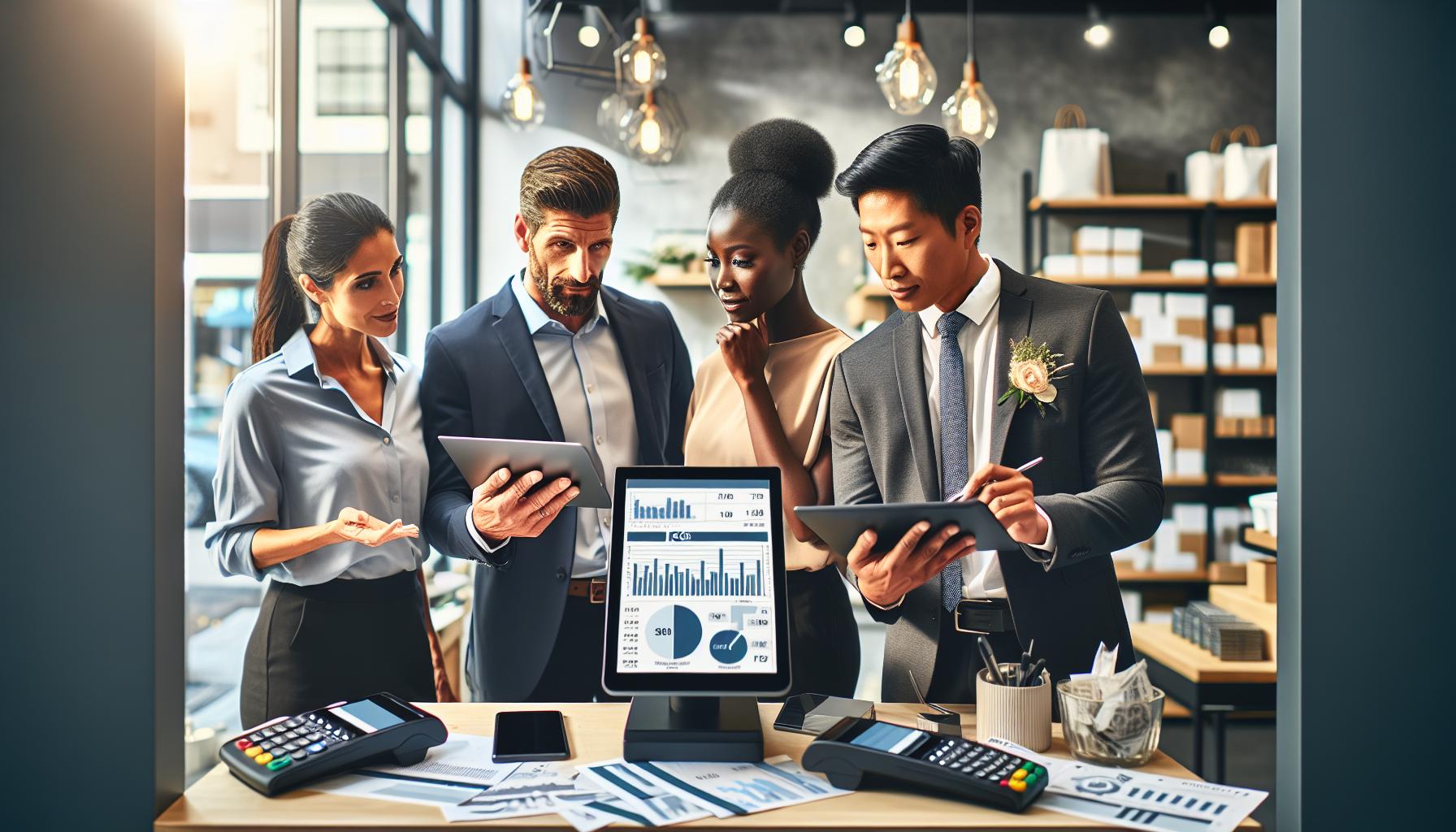
Every investment you make in your business deserves a strategic approach to ensure a substantial return. Optimizing the return on investment (ROI) from your Point of Sale (POS) system involves more than just adopting the latest technology; it requires thoughtful integration and ongoing evaluation. A well-implemented POS system can drive efficiency, streamline processes, and enhance the customer experience, all of which can contribute significantly to your bottom line.
To begin maximizing ROI, it’s essential to leverage data analytics capabilities provided by most modern POS systems. By analyzing sales trends, customer preferences, and inventory turnover rates, you can make informed decisions that directly impact profitability. For example, if data reveals that certain products consistently underperform, businesses can adjust their inventory accordingly, reducing holding costs and optimizing cash flow. Additionally, implementing targeted marketing campaigns based on customer purchase history can increase loyalty and boost sales.
Investment in employee training is another critical component that can pay dividends. Ensuring that staff are well-versed in using the POS system not only increases efficiency at the point of sale but also enhances the overall customer experience. Well-trained employees can process transactions quicker, answer customer inquiries competently, and upsell products more effectively. Regular training sessions can also help staff stay updated on new features or changes to the system, ensuring that your business fully capitalizes on the technology at its disposal.
Furthermore, integration of your POS with other business systems-such as accounting software, eCommerce platforms, and inventory management tools-can lead to significant time savings and error reduction. Seamless flow of information between these systems minimizes manual entry and the associated risks of mistakes, allowing staff to focus on customer engagement rather than administrative tasks. As your business scales, a cohesive ecosystem encourages efficiency and supports rapid growth.
Regularly reviewing the performance of your POS system against predetermined KPIs (Key Performance Indicators) will help you ascertain if the current setup meets your evolving business needs. Analyzing metrics such as transaction times, sales per employee, and customer satisfaction ratings can offer insight into where improvements can be made and identify potential areas for reinvestment or upgrades. By keeping a close eye on these indicators, you can ensure that your POS investment consistently aligns with your business objectives, facilitating sustained growth and profitability.
Frequently asked questions
Q: What does POS stand for in business?
A: POS stands for “Point of Sale.” It refers to the place where a retail transaction is completed, usually involving the customer making a payment to the merchant. POS systems process sales, manage inventory, and provide various business analytics.
Q: How do POS systems benefit businesses?
A: POS systems streamline operations by automating sales processes, tracking inventory, and generating reports. They enhance customer experience with faster transactions and improved service. Additionally, modern POS systems offer tools for customer relationship management and sales analytics, helping businesses make informed decisions.
Q: What types of POS systems are available for different businesses?
A: There are several types of POS systems, including traditional cash registers, tablet-based systems, and cloud-based solutions. Businesses can choose between options tailored for retail, restaurants, or service providers, depending on their specific transaction and operational needs.
Q: Why is integrating a POS system with other business software important?
A: Integrating a POS system with other software, like accounting or inventory management, ensures seamless data flow across systems, reducing manual errors and saving time. This integration enhances operational efficiency and provides comprehensive insights into business performance.
Q: When should a business consider upgrading its POS system?
A: Businesses should consider upgrading their POS system when experiencing frequent technical issues, needing advanced features (like ecommerce integration), or scaling operations. An upgrade can improve efficiency, customer service, and provide better data insights.
Q: What are the common challenges in implementing a new POS system?
A: Common challenges include staff resistance to change, data migration issues, and integration complexities with existing systems. Proper training and a phased implementation strategy can mitigate these challenges and facilitate a smoother transition.
Q: How can businesses maximize the ROI from their POS investment?
A: To maximize ROI from a POS investment, businesses should fully utilize its features, regularly analyze sales data for better decision-making, and invest in staff training. Continuous evaluation of the system’s performance can also inform future upgrades and enhancements.
Q: Where can I find support for my POS system issues?
A: Support for POS system issues can typically be found through the system’s customer service, user manuals, or online forums. Many POS providers also offer dedicated support channels, including live chat and community discussions, to assist users with troubleshooting.
The Way Forward
Understanding what POS stands for in business is just the beginning of optimizing your sales process. With the right Point of Sale system, you can streamline your operations, enhance customer experiences, and drive profitability. Don’t let uncertainty hold you back-explore our resources on POS systems to find the perfect solution for your needs.
Ready to take the next step? Consider reading about advanced payment features and how they can elevate your business. We also invite you to check out our latest insights on inventory management and customer engagement strategies. Join our community by signing up for our newsletter, and never miss out on valuable tips designed to enhance your business performance.
Your journey toward efficient sales and impactful customer interactions starts now. Share your thoughts in the comments below and connect with others who are also exploring the power of POS systems. Together, let’s transform your business operations!