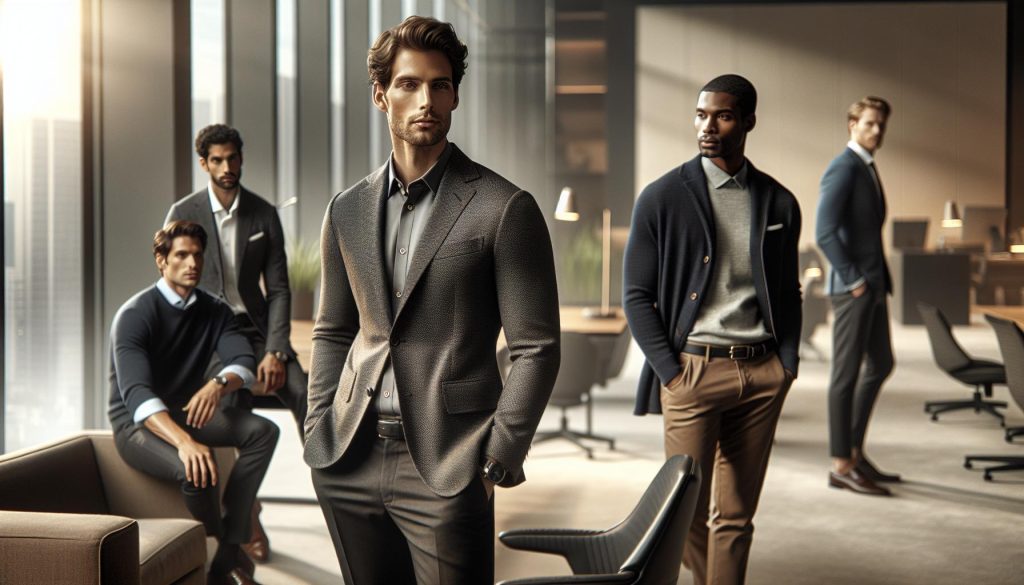
In today’s evolving workplace, understanding business casual attire has never been more essential for men aiming to strike the right balance between professionalism and personal style. This dress code allows you to express your individuality while adhering to workplace standards, making it a critical skill for career advancement. Many men find themselves confused about what specifically qualifies as business casual, leading to misplaced confidence on important days. Whether it’s nailing that job interview, impressing clients, or making a mark at networking events, the right outfit can set the tone for success. In this style guide, we’ll explore essential pieces, practical tips, and dos and don’ts to help you navigate the nuances of business casual attire effortlessly. Get ready to enhance your wardrobe and boost your professional image!
What is Business Casual Attire?

Business casual attire strikes a delicate balance between formal and casual styles, allowing individuals to maintain professionalism while enjoying a touch of comfort. This dress code has gained widespread adoption in various workplaces, enabling men to express their personal style without sacrificing the decorum expected in a business environment. Understanding the nuances of business casual is essential for making the right impression, whether attending meetings, networking events, or casual Fridays at the office.
For men, key components of business casual attire typically include tailored trousers, collared shirts, and blazers. The fit and fabric of these items play significant roles in achieving a polished look. Opt for dress chinos or slacks as a base, pairing them with a button-down shirt-preferably in a breathable fabric like cotton or a lightweight blend. Layering with a blazer can elevate the outfit, but ensure it is well-fitted and made from a soft, structured fabric that allows for ease of movement.
When it comes to footwear, versatile options like loafers, brogues, or dress boots can complement business casual outfits effectively. Comfort is paramount, particularly for those on their feet throughout the day, so it’s wise to choose shoes that not only look smart but also provide support. Neutral colors for footwear, such as black, brown, or navy, can seamlessly integrate into varied palettes while maintaining a professional appearance.
In summary, mastering business casual attire involves a thoughtful combination of clothing items, attention to detail in fit and fabric, and strategic footwear choices. By adhering to these principles, men can navigate work environments confidently and stylishly, creating a positive impression without compromising on comfort.
Key Components of Men’s Business Casual
In the realm of business casual attire, the key components form the foundational elements that allow men to project professionalism while maintaining a comfortable style. This dress code blends the best of both worlds, embracing elements that are smart yet relaxed. It’s crucial for men navigating various workplace environments to understand these essentials for a well-curated look.
Essential Clothing Elements
A well-structured business casual outfit often includes tailored trousers, collared shirts, and optional blazers. Start with a good pair of dress chinos or refined slacks as your base. These should fit well and allow for ease of movement without being overly baggy. Pair these with a classic button-down shirt; cotton or lightweight blends are ideal for comfort and breathability. Layering with a blazer is recommended for added polish, but ensure it’s tailored to maintain a clean silhouette.
Footwear Selection
Choosing the right footwear is equally important in achieving a cohesive business casual look. Options such as loafers, brogues, or smart dress boots work well and should prioritize comfort, especially for those who might be on their feet during business hours. Aim for neutral colors like black, brown, or navy to enhance versatility and maintain professionalism.
Understanding Fit and Fabric
The fit and fabric of each clothing item play a crucial role in how polished the overall appearance is. Invest in quality materials that hold their shape and can withstand wear. Look for softer, structured fabrics that allow you to move freely while still looking sharp. Avoid overly stiff or baggy designs, as these can undermine the intended business casual aesthetic.
By effectively combining these components, men can successfully navigate the business casual landscape, fostering an image of professionalism that simultaneously allows for personal style expression. A deliberate approach to clothing choice ensures confidence in various settings, from casual Fridays to important meetings.
Essential Clothing Items for Men
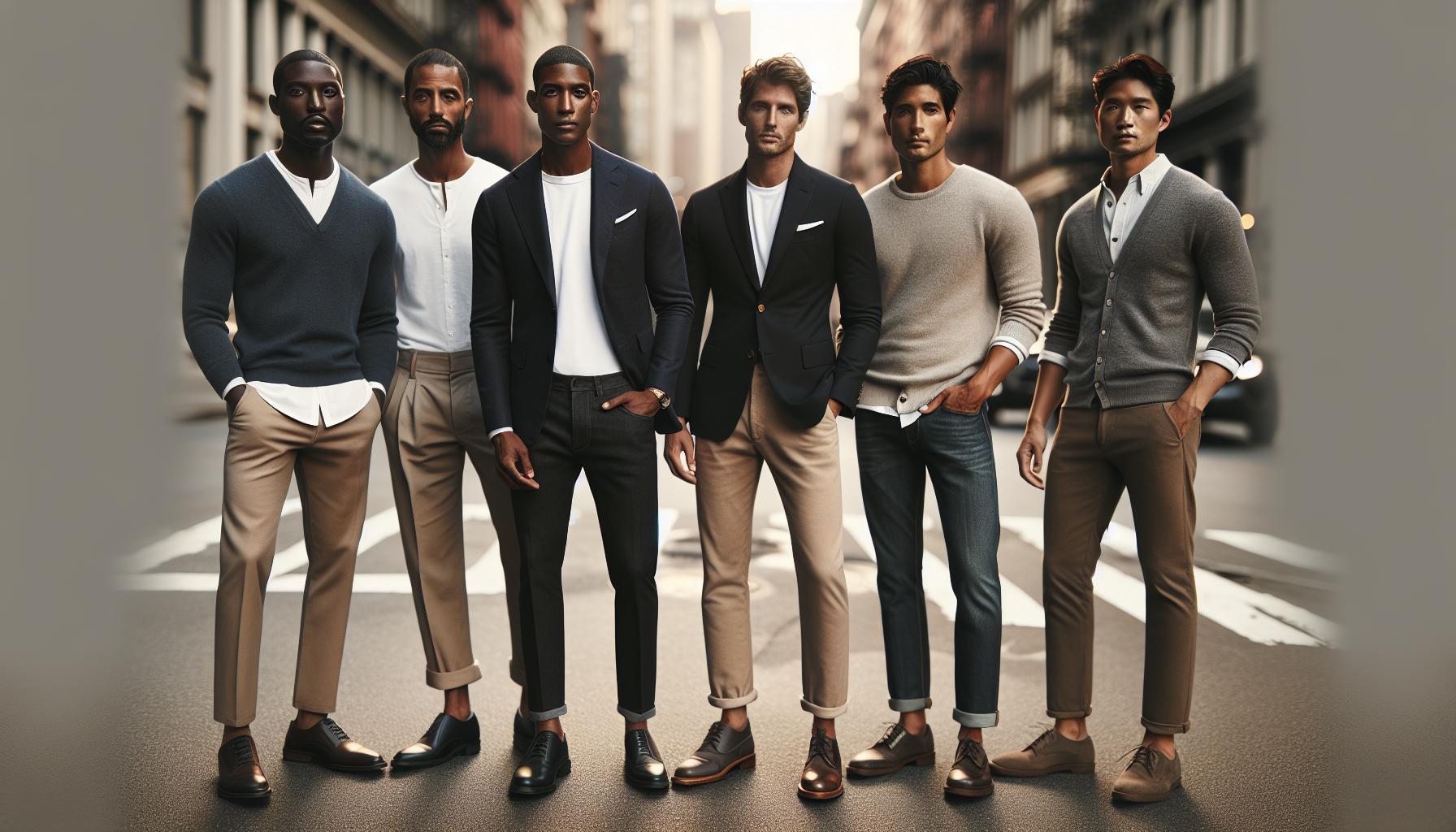
In navigating the realm of business casual attire, selecting the right clothing items is essential to project professionalism while maintaining a relaxed comfort. The notion of business casual is versatile, defined by a mix of traditional workwear and more laid-back styles, allowing individuals to express their personal style within a workplace environment. To achieve the perfect balance, attention to detail in choice of essential clothing is paramount.
Key Clothing Items
A cornerstone of any business casual wardrobe is a selection of tailored trousers or chinos. Opt for well-fitting dress pants in versatile colors, such as navy, gray, or khaki, which provide a solid foundation for your outfit. These should be made from breathable fabrics, allowing for comfortable wear throughout the day. Pair these with a polished button-down shirt, which can be short or long-sleeved depending on the season. Fabrics like cotton and linen are excellent choices, offering breathability and a crisp appearance.
Layering is not only practical but also stylish. A tailored blazer can elevate your look, making it appropriate for both casual meetings and more formal discussions. Choose a blazer in a complementary color to your trousers, and ensure it fits well at the shoulders for a sharp silhouette. This piece adds a layer of professionalism and can easily be removed for a relaxed vibe during less formal interactions.
- Trousers/Chinos: Choose classic colors like navy, gray, or khaki for versatility.
- Button-Down Shirts: Opt for cotton or linen materials for comfort and breathability.
- Blazers: Tailored blazers in neutral or complementary shades enhance professionalism.
Incorporating these elements thoughtfully into your wardrobe allows you to create various outfit combinations that suit different occasions. With the right essentials, you can effortlessly navigate the nuances of business casual attire, ensuring you look polished while feeling comfortable and confident in your style.
Footwear Choices for Business Casual
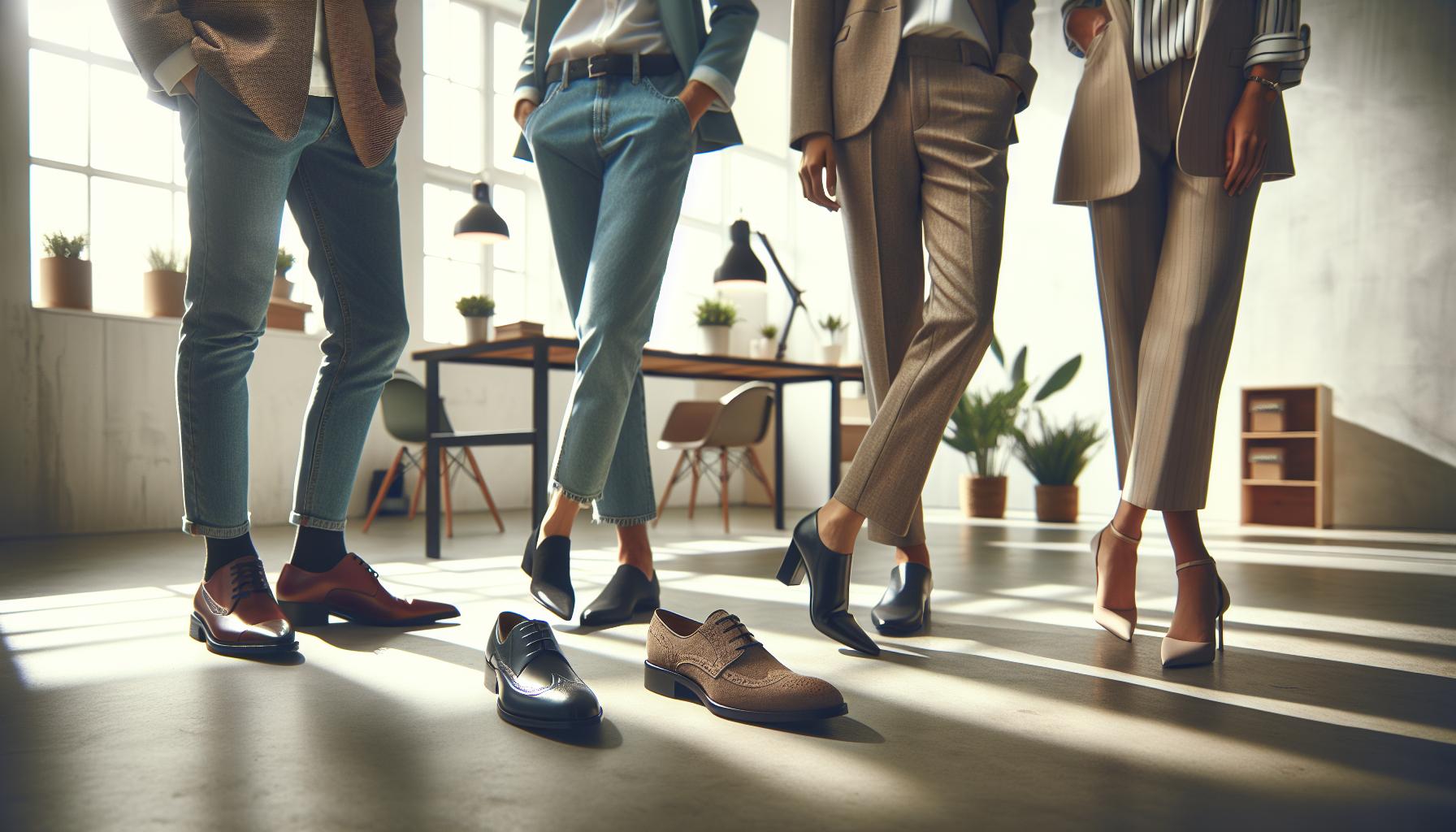
Selecting the right footwear can dramatically influence your business casual appearance, ensuring you strike the perfect blend of professionalism and comfort. Footwear is not merely an afterthought; it is a critical piece of the overall outfit puzzle, often reflecting your attention to detail and personal style. In a business casual environment, the choices range from classic to contemporary, allowing for flexibility and personality.
When considering shoes for a business casual look, loafers and oxfords are often the go-to options. Loafers offer a sleek design that can easily transition from formal settings to casual events without missing a beat. Opt for leather or suede finishes in neutral shades like brown, black, or burgundy for maximum versatility. Oxfords, on the other hand, provide a more tailored appearance, working well with chinos or tailored trousers. Pair these shoes with appropriate socks-preferably in colors that match your outfit-to maintain a polished look.
Another excellent choice is a smart sneaker, particularly if your workplace leans towards a more relaxed interpretation of business casual. Select sneakers made from premium materials, such as leather or high-quality canvas, to ensure they maintain an upscale vibe. Darker colors help maintain a refined appearance, while simple designs without excessive branding can keep your look sophisticated.
Key Footwear Choices:
- Loafers: Sleek and easy to wear, loafers can dress up or down your outfit.
- Oxfords: A more formal option that provides a polished touch.
- Smart Sneakers: A contemporary choice that blends comfort with style when made from quality materials.
In summary, when selecting footwear for a business casual wardrobe, keep the fit, style, and material in mind. The key is to balance comfort with professionalism, as the right pair can not only enhance your outfit but also elevate your confidence in professional settings.
Understanding Fabric and Fit
Understanding the right fabric and fit is a cornerstone of achieving an effective business casual look. The balance of comfort, professionalism, and style begins with selecting materials that reflect the occasion and maintain an air of refinement. Fabrics such as cotton, wool, and blends like cotton-polyester are popular choices, as they offer breathability and structure. While cotton provides comfort and ease, a wool blend adds a polished nuance, essential for creating a sharp impression.
Fit is equally critical, as even the finest fabric can fall flat without proper tailoring. Aim for a fit that is neither too tight nor too loose; it should skim your body without constricting movement. Well-fitted trousers that taper slightly at the ankle can elevate a casual button-down shirt, while blazers should contour the shoulders without pulling across the chest. Layering is also a key consideration; a fitted sweater or a tailored jacket can enhance depth and structure without loosening the overall appearance.
When it comes to patterns and textures, subtlety reigns supreme. Opt for textured fabrics like twill or herringbone, which add visual interest without overwhelming the outfit. A light plaid shirt under a solid blazer can achieve an excellent balance of casual sophistication. Avoid overly bright colors or flashy patterns, as these can detract from the office environment’s professionalism. Instead, stick to a palette of neutral tones or soft hues for versatility and ease.
In conclusion, mastering fabric and fit not only enhances your appearance in a business casual setting but also boosts confidence and allows for personal expression. Recognizing the importance of quality materials and tailored cuts will position you appropriately in the workplace, marking you as both professional and stylish.
Color Schemes: What Works Best?

In business casual attire, the choice of color can significantly influence how one is perceived in both casual and formal workplace settings. Subdued tones often convey professionalism and are considered universally acceptable, making them ideal for a business casual environment. A palette that includes shades such as navy, charcoal, beige, and soft pastels allows for versatile combinations that maintain a polished look without straying into overly formal territory.
When selecting a color scheme, consider the context in which you will be dressing. For instance, darker colors like navy or charcoal are excellent for meetings or presentations, as they project authority and reliability. In contrast, lighter shades, such as light gray or soft blue, can create a more approachable and relaxed vibe, suitable for day-to-day office interactions. The key is to strike a balance; combining a tailored blazer in a darker shade with lighter shirt options can create a striking yet appropriate look.
Patterns can also play a role in your color scheme. Subtle designs like thin stripes, small checks, or micro-patterns can add depth to an outfit without overwhelming it. Pairing a patterned shirt with solid-colored trousers or a blazer often works well, allowing the focus to remain on your overall appearance rather than any single element. It’s advisable to avoid overly bright or flashy colors, as they can distract from a professional image and may not translate well across various office cultures.
Ultimately, the right color scheme enhances not only your professional appearance but also boosts your confidence. By opting for a harmonious mix of neutral and complementary colors, you ensure that your business casual attire remains both stylish and appropriate for the workplace.
Accessorizing Business Casual Outfits

When putting together a business casual outfit, accessories can elevate your look from simple to sophisticated. The right accessories not only contribute to your overall appearance but also express your personal style while maintaining a professional demeanor. From choosing the perfect watch to selecting the appropriate belt, the details can make a significant difference.
Watches
A sleek watch can be the centerpiece of your accessory game. Opt for a classic analog watch with a leather or metal band. Avoid overly flashy or digital styles; instead, go for minimalist designs that exude professionalism. When paired with tailored shirts and blazers, a well-chosen watch communicates punctuality and attention to detail.
Bags and Briefcases
Your choice of bag should complement your business casual attire while being functional. A leather messenger bag or a structured briefcase offers a polished look and can comfortably store essential items like a laptop or important documents. Ensure the bag is not too bulky or casual, as this could detract from your overall polished appearance.
Belts
A quality belt is an often-overlooked accessory that can tie an outfit together seamlessly. Choose a belt that matches your footwear to create harmony in your look. Leather belts in classic colors like black or brown work well with chinos or dress pants. Remember to avoid overly casual styles like woven belts, which might clash with the business casual aesthetic.
Ties and Pocket Squares
Although ties are less common in a business casual setting, a well-selected tie can enhance your outfit for special occasions or important meetings. Opt for subtle patterns or solid colors that complement your ensemble. For an added touch of sophistication, consider incorporating a pocket square into your blazer’s breast pocket. Just ensure it harmonizes with your color scheme to keep your look cohesive.
Jewelry and Other Accessories
When it comes to jewelry, less is often more. Simple, understated pieces such as cufflinks or a single ring can add a touch of class without being distracting. Additionally, avoid overly flashy or large accessories; keep your choices refined to maintain a professional image.
Accessorizing your business casual outfits thoughtfully can significantly enhance your overall presence while ensuring you remain within the bounds of professionalism. By focusing on quality pieces that complement your attire, you can express individuality while adhering to a business casual dress code.
Dress Code Variations by Industry
Different industries adopt varying interpretations of business casual attire, resulting in significant differences in what is deemed acceptable. Understanding these nuances is essential for any professional looking to navigate their work environment effectively and avoid potential fashion faux pas.
In corporate environments, such as finance and law, business casual may lean towards the more formal end of the spectrum. For men, this often includes tailored dress pants or chinos, along with collared shirts-button-ups or polos-and possibly blazers. Accessories remain understated, with leather shoes being the norm. On the other hand, creative sectors such as advertising and technology embrace a more relaxed approach. Here, the acceptable business casual attire expands to include smart jeans and clean sneakers, provided they are paired with polished tops that maintain a refined look.
Industries like education and healthcare often require professionals to balance comfort with professionalism. Educators might often opt for slacks paired with functional yet stylish footwear, while healthcare workers may be more inclined to integrate scrubs that still maintain a neat presentation. Additionally, remote work scenarios have further blurred the lines, as many companies embrace a hybrid model, allowing for more flexibility in personal attire choices-jeans and casual shirts may now be suitable even during video conferences.
Understanding your specific industry’s standards for business casual can significantly impact your relationship with colleagues and superiors, showcasing not only your professionalism but also your ability to adapt to corporate culture. Be observant and adapt based on your surroundings, as this flexibility will serve you well in making a positive impression across different settings.
Mistakes to Avoid in Business Casual

Navigating the nuances of business casual attire can be tricky, especially for men trying to strike the right balance between professionalism and comfort. Avoiding common pitfalls is essential for making a positive impression in the workplace. Here are key mistakes to steer clear of when dressing in business casual.
One of the biggest missteps is opting for overly casual items, such as graphic tees or distressed jeans. While these might be comfortable, they are generally considered too relaxed for a business environment. Instead, lean towards fitted chinos or tailored dress pants paired with collared shirts, which convey a more polished and professional image. Likewise, forgetting to iron clothes can detract from your overall appearance. Creased or wrinkled shirts can create a disheveled look that contradicts the effort to appear presentable.
Choosing the wrong footwear can also derail your business casual look. Sneakers, while practical, may not always align with the standards expected in more formal corporate settings. Opt for leather shoes or loafers that offer a nice touch, ensuring they are clean and well-maintained. Furthermore, neglecting the importance of fit can be detrimental. Ill-fitting clothes can appear sloppy, regardless of how stylish they are. Pay attention to the fit around the shoulders and waist, aiming for a tailored look that enhances your physique without being overly tight.
Finally, be wary of accessories. Overdoing it with flashy jewelry or loud prints can shift your outfit’s tone from professional to distracting. Instead, choose subtle, classic accessories like a leather belt or a simple watch that complements but doesn’t overpower. By avoiding these common mistakes, you can confidently navigate the business casual landscape and maintain a sharp, professional appearance that resonates in any workplace environment.
Maintaining Your Business Casual Wardrobe
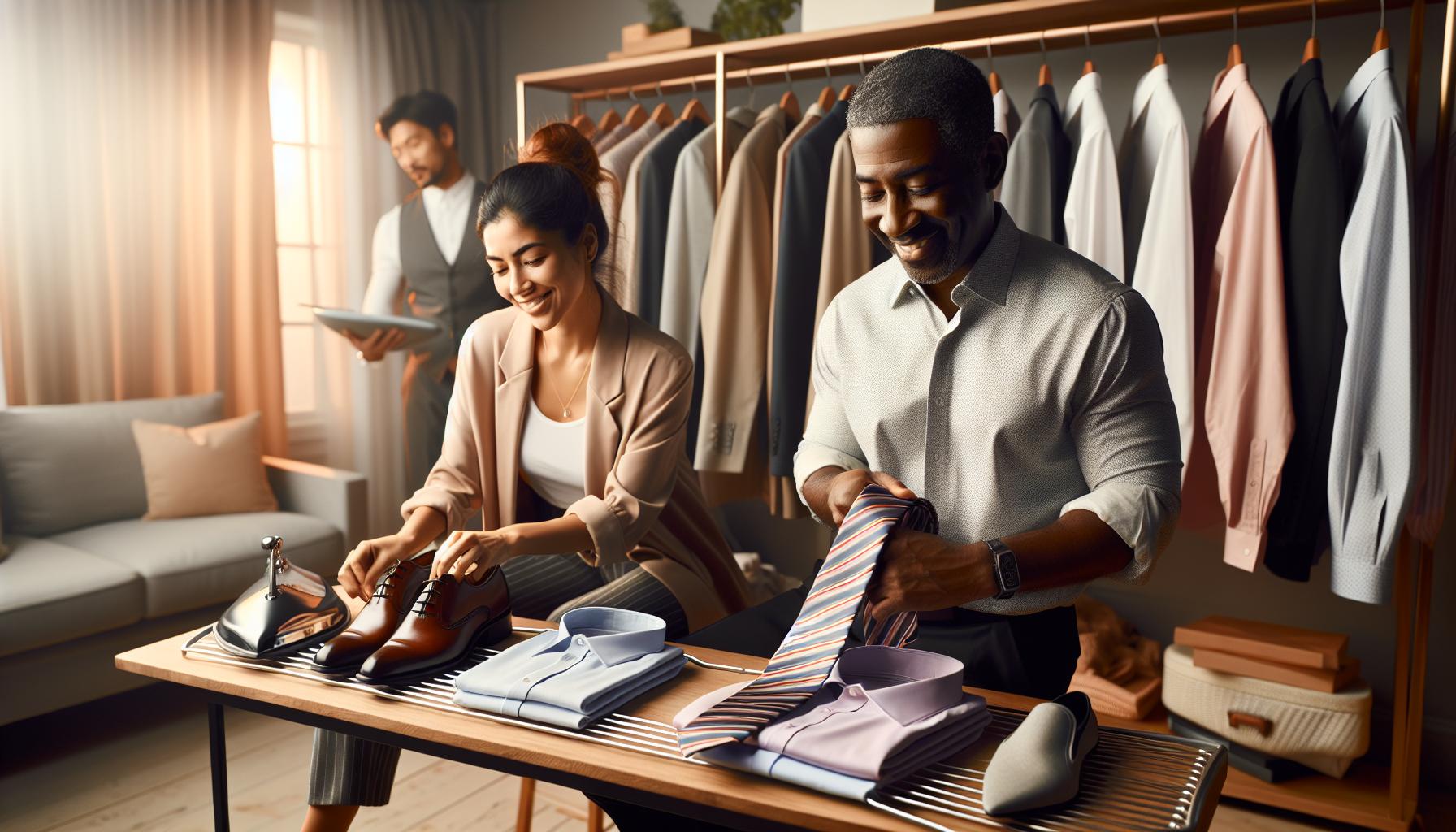
Maintaining a business casual wardrobe is not just about keeping clothes neat and tidy; it’s about creating a cohesive, versatile collection that allows for individual expression while adhering to workplace standards. Start by investing in quality items that can withstand the test of time. A well-maintained wardrobe should include a mix of classic staples and trendy pieces that blend seamlessly for numerous occasions.
Consider incorporating basic building blocks such as fitted dress shirts, tailored blazers, and versatile trousers. These can be mixed and matched for a variety of looks. For instance, a crisp white shirt paired with navy chinos and a blazer looks polished yet relaxed for meetings, while the same shirt can be worn with dark jeans for a casual Friday. Furthermore, it’s crucial to keep your clothing in excellent condition. Regularly check for wear and tear-replace buttons, mend any seams, and ensure items are cleaned promptly to avoid lasting stains or odors.
Organizing Your Wardrobe
Organizing your wardrobe is equally important to maintaining your business casual clothes. Implement a systematic approach:
- Rotate your clothing: Make a habit of switching out seasonal items to keep your wardrobe fresh and aligned with the current climate.
- Categorize by occasion: Separate items for work, semi-formal events, and social gatherings. This not only saves time but also ensures you don’t overlook essential pieces.
- Invest in appropriate storage solutions: Quality hangers and storage bins keep your clothes in shape and ready to wear, helping maintain their fit and finish.
Be mindful of fabric care and cleaning instructions to prolong the life of your garments. Fabrics like cotton and wool require different care methods; for example, cotton can generally be machine washed, while wool often needs dry cleaning. Paying attention to these details not only helps to maintain the look of your clothes but also ensures they last longer, reducing the need for frequent replacements.
By adopting these practices, you will cultivate a balanced and functional business casual wardrobe that reflects a professional image while allowing for personal style. This strategic approach enables you to navigate the workplace confidently and effortlessly, making sure you always have the right outfit for any occasion.
Transitioning from Formal to Business Casual

Transitioning from a formal dress code to business casual can be both exciting and challenging. This shift often reflects a more relaxed yet still professional atmosphere in the workplace. Understanding how to navigate this change effectively can enhance your comfort and confidence while maintaining a polished appearance.
To initiate this transition, consider gradually incorporating business casual items into your wardrobe. Start with versatile pieces that can be dressed up or down. For instance, replace a full suit with a tailored blazer paired with chinos and a smart button-up shirt. This combination provides a professional edge without the heaviness of a formal suit. Incorporating textures-like a wool blazer or a cotton shirt-can add depth and interest to your outfit while still adhering to business casual norms.
Another practical approach is to focus on footwear. Swap out more traditional leather dress shoes for loafers or brogues that offer ease and style. Leather shoes remain appropriate, but opting for styles with softer lines or materials can signal a more casual tone. Additionally, embrace the idea of layered looks; a lightweight sweater over a collared shirt can bridge the gap between formal and casual, providing warmth and sophistication with an approachable feel.
As you embrace these changes, it’s essential to pay attention to fit and fabric. Tailoring your clothing can significantly elevate your business casual look, ensuring that even more relaxed items maintain a structured appearance. Fabrics like cotton, linen, and blends that breathe can enhance your comfort while ensuring you look polished. Keeping color schemes relatively muted or classic-think earth tones or pastels-will also help maintain a professional aesthetic while allowing for a personal touch. Integrating accessories, such as a classic watch or a subtle belt, can complete your ensemble and reflect your personal style without sacrificing professionalism.
In conclusion, the key to a successful transition from formal to business casual lies in a balanced approach that maintains professionalism while allowing for personal expression. By incrementally changing your wardrobe and being mindful of fit, fabric, and style, you’ll navigate this shift with ease and confidence, aligning your appearance with the evolving standards of your workplace.
Adapting Business Casual for Seasonal Changes

Understanding how to adjust your business casual wardrobe seasonally is essential for maintaining a polished and professional appearance throughout the year. Each season brings unique weather conditions and style opportunities, allowing you to showcase your fashion sense while adhering to workplace standards.
When transitioning into fall and winter, layering becomes crucial. Incorporate lightweight sweaters or cardigans over collared shirts and pair them with tailored chinos or dark jeans. This not only provides warmth but also allows for versatility; you can add or remove layers as indoor temperatures often vary. Opt for fabrics like wool or thicker cotton blends that retain heat without appearing overly bulky. A well-fitted blazer in a neutral tone can also add structure, making your outfit both professional and stylish.
As spring and summer arrive, focus on lighter fabrics and lighter color palettes. Fabrics like linen and cotton blends are breathable, perfect for warmer weather, and help prevent overheating during outdoor meetings or commutes. Shift to lighter colors-think pastel shades or earth tones-that not only keep you cool but also reflect the vibrant feelings associated with the changing season. For footwear, consider loafers or breathable canvas shoes. A casual, polished look can be achieved by pairing dress shorts with a light, short-sleeve button-up shirt during particularly warm days, in settings where this is acceptable.
In summary, adapting your business casual attire to seasonal changes involves a strategic selection of fabrics, colors, and layering techniques. By understanding the nuances of each season and the comfort they require, you can effortlessly transition your wardrobe while ensuring it remains appropriate for your professional environment.
Frequently Asked Questions
Q: What should a man wear for business casual attire?
A: For business casual, men should opt for dress slacks or chinos paired with a collared shirt or a polo. A blazer or sports jacket can also enhance the look. Avoid jeans, shorts, and t-shirts to maintain professionalism. Explore more in the section on Key Components of Men’s Business Casual.
Q: Are sneakers acceptable in a business casual environment?
A: Yes, clean and minimal sneakers can be acceptable in some business casual settings, particularly when paired with tailored trousers. However, it’s best to opt for leather or canvas styles rather than athletic sneakers. See the Footwear Choices for Business Casual section for more options.
Q: How can men accessorize for a business casual outfit?
A: Men can accessorize business casual looks with a quality watch, a leather belt, and understated cufflinks. Ties are optional but can elevate the outfit if chosen wisely. Refer to the Accessorizing Business Casual Outfits section for further insights.
Q: When should a man wear a blazer with business casual attire?
A: A blazer should be worn for business casual events that have a slightly more formal tone, such as client meetings or company presentations. It adds professionalism without being overly dressy. Tips are available in the section on Transitioning from Formal to Business Casual.
Q: What fabrics are best for men’s business casual attire?
A: Opt for breathable fabrics like cotton, linen, or wool blends for comfort and professional appearance. Avoid overly casual materials such as denim or jersey. Explore Understanding Fabric and Fit for more details.
Q: Can a man wear shorts in a business casual setting?
A: Generally, shorts are not acceptable in traditional business casual environments. However, in very relaxed settings or summer events, tailored shorts can be appropriate. Check the Dress Code Variations by Industry section for specific guidelines.
Q: How to choose a color scheme for business casual outfits?
A: Stick to neutral or muted tones like navy, gray, or beige for a polished look. Bright colors can be used for shirts or accessories, but ensure they complement the overall outfit. More on this is covered in the Color Schemes: What Works Best? section.
Q: What mistakes should men avoid when dressing business casual?
A: Avoid wearing overly casual items like flip-flops, graphic tees, or distressed clothing. Ensure clothes are well-fitted and clean. Mistakes to Avoid in Business Casual provides more clarity on this topic.
In Summary
Ready to elevate your style game? Understanding what business casual attire means for men is just the beginning. Implement these practical tips to refine your wardrobe and make a lasting impression. Don’t wait; start shopping for those versatile blazers and tailored trousers that will take you from the office to after-work events seamlessly.
For more insights, check out our articles on “Essential Accessories for Business Casual” and “Common Mistakes in Business Casual Dressing.” If you have questions or need personalized styling advice, don’t hesitate to reach out! Join our newsletter for the latest tips and exclusive updates tailored just for you. Embrace your professional style with confidence and see how it transforms your work-life experience!