
Navigating the business casual dress code can be a challenge, especially for men who want to strike the right balance between professionalism and comfort. Did you know that a significant number of professionals believe their clothing choices directly impact their confidence and presentation? Understanding the nuances of business casual attire not only helps ease these concerns but also enhances your personal brand in the workplace. In this style guide, we’ll break down essential elements, from wardrobe staples to styling tips, ensuring you’re equipped to make a positive impression without sacrificing your individual style. Whether you’re heading to a meeting or a casual Friday, mastering the business casual look is pivotal for career success and personal expression.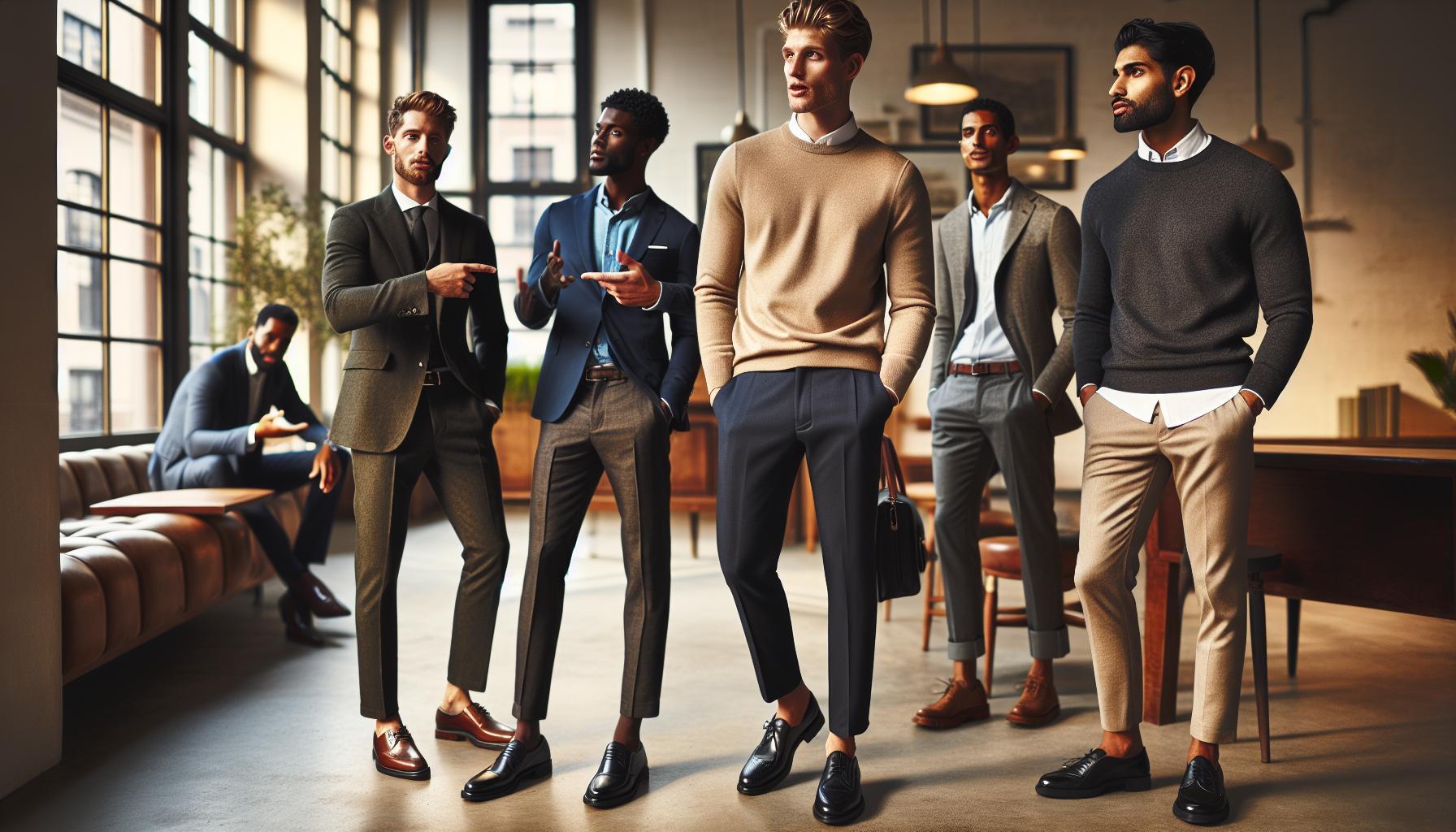
Understanding Business Casual for Men: Definition and Basics
Business casual attire for men strikes a balance between formal business wear and casual clothing, making it a versatile choice suited for various professional environments. The intent behind this dress code is to project professionalism while allowing for individual expression and comfort. Understanding the nuances of this style is essential for navigating the workplace successfully, as it helps to foster a relaxed yet polished atmosphere.
At its core, business casual means wearing clothing that is more relaxed than traditional business wear, such as suits and ties, but still looks neat and professional. Ideal pieces often include chinos or dress pants, paired with a button-down shirt or a smart polo. While ties are usually optional in a business casual setting, it’s advisable to keep a blazer or sport coat on hand for occasions that might demand a slightly dressier appearance. Footwear typically includes loafers or other dress shoes, avoiding casual items like sneakers or flip-flops.
In terms of color and patterns, business casual allows for a range of options, from muted tones and classic patterns like stripes and checks to more vibrant shades that reflect personal style, provided they remain tasteful. Seasonal adjustments are also important; lighter fabrics and colors are preferable in warmer months, while richer hues and thicker materials can provide warmth and a cozy aesthetic during colder seasons.
To summarize, mastering business casual attire involves understanding the balance between elegant and casual approaches to clothing. By incorporating versatile pieces, one can navigate various professional environments with confidence and style, reflecting both competence and individuality.
Key Elements of Business Casual Attire
When navigating the realm of business casual attire for men, understanding the key elements that define this versatile dress code is essential. Business casual strikes a chord between the polished appearance of formal wear and the comfort of casual styles, allowing professionals to express their individuality while maintaining an appropriate level of professionalism.
The cornerstone of business casual attire lies in the selection of foundational pieces. Chinos and dress pants are staples that offer a more relaxed fit without sacrificing professionalism, making them ideal for various office environments. Pair these bottoms with a button-down shirt or a smart polo to create a chic and cohesive look. While ties are generally not required in business casual settings, having a blazer or sport coat on standby can elevate your outfit for impromptu meetings or presentations.
Footwear is another critical component of business casual attire. Opt for loafers or other dress shoes that convey sophistication yet remain comfortable for extended wear. It’s vital to avoid overly casual options like sneakers or flip-flops, as these pieces can detract from the polished look you aim to achieve.
Layering and Accessories
The right layering pieces can enhance versatility in your wardrobe. Consider incorporating sweaters or cardigans during cooler months, providing warmth without compromising style. When it comes to accessories, choose items that reflect your personality but keep them understated. A classic watch or a simple leather belt can do wonders in creating a well-rounded look without overpowering the overall aesthetic.
In summary, mastering the nuances of business casual attire involves understanding the delicate balance of comfort and professionalism. By focusing on the right pants, shirts, and footwear, along with appropriate layering and accessories, men can project confidence and competence in any professional setting.
Essential Fabrics and Materials to Consider
Selecting the right fabrics and materials is crucial in mastering the business casual dress code for men. The quality and comfort of the fabrics you choose not only influence your overall comfort throughout the day but also dictate the level of formality of your outfit. For business casual environments, you’ll want to gravitate towards materials that offer a refined look while being breathable and easy to maintain.
Start with classic fabric choices such as cotton and wool. Cotton, particularly in the form of twill or poplin, provides a breathable and comfortable fit that is ideal for shirts and lightweight pants. Cotton shirts can easily transition from casual gatherings to professional meetings. Wool, on the other hand, is excellent for blazers and dress pants due to its naturally sophisticated appearance and inherent breathability, allowing you to stay comfortable in both warm and cool conditions.
In addition to these staples, consider incorporating blends that combine the best qualities of different fabrics. For example, a cotton-polyester blend can enhance durability and wrinkle resistance, making it a practical choice for everyday wear. Linen is another material that can add a breezy element to your wardrobe, especially in warmer climates. However, keep in mind that linen tends to wrinkle easily, so it might be best suited for less formal business settings.
Lastly, don’t overlook the impact of texture in your fabric selection. Subtle textures, like those found in herringbone or ribbed materials, can elevate a simple outfit. These textures not only add visual interest but also convey a sense of professionalism. When piecing together your business casual wardrobe, remember that the right fabrics will not only keep you looking sharp but also feeling at ease in any professional environment.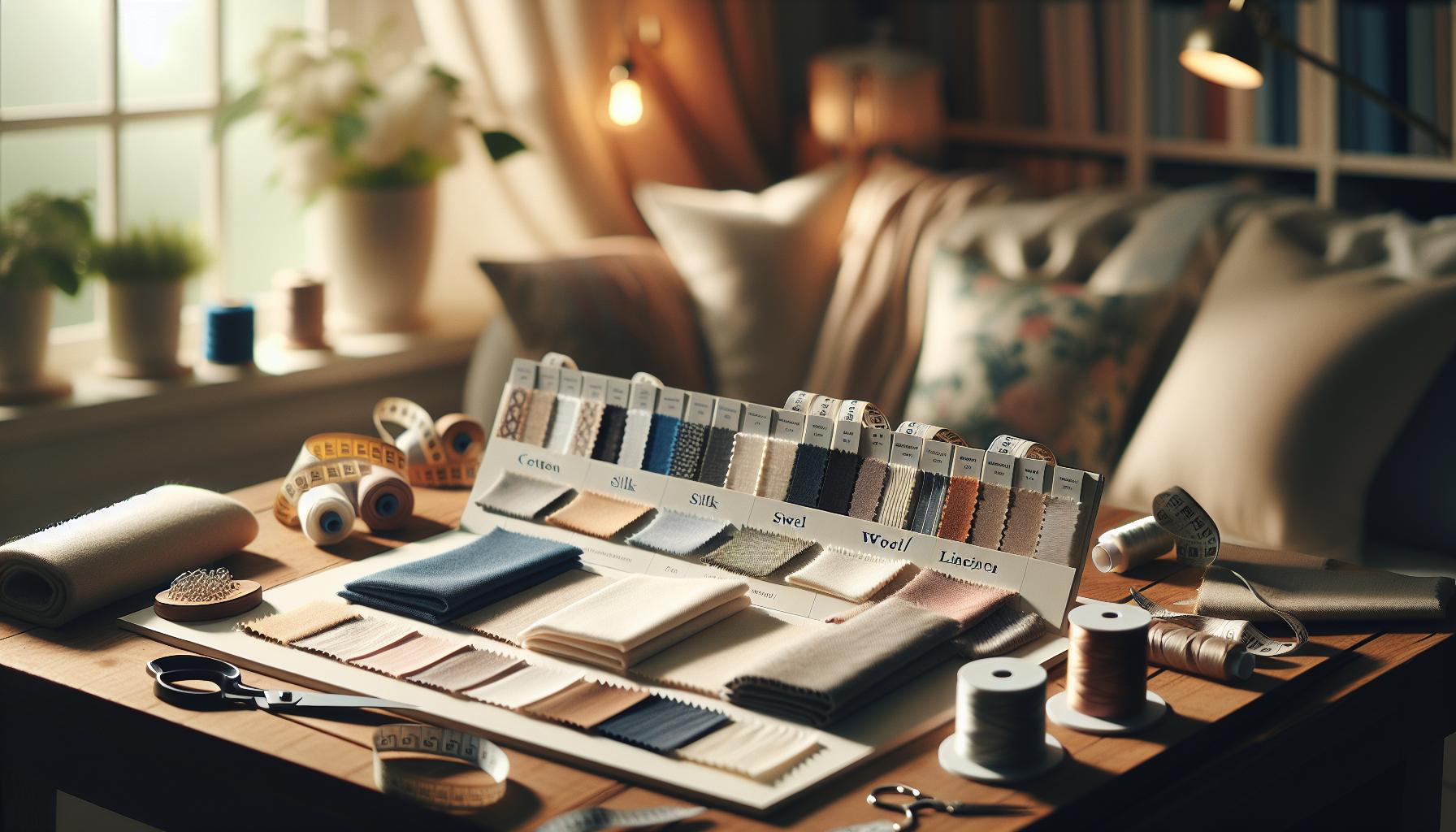
Popular Business Casual Outfit Ideas for Men
The versatility of business casual attire allows men to curate outfits that strike a balance between professionalism and comfort. This style doesn’t necessitate a rigid adherence to formal wear, leaving room for personal expression while ensuring an appropriate appearance for the workplace. By integrating smart choices, men can easily master this dress code.
Smart Shirt Choices
Start with well-fitted shirts that elevate your look. Button-down shirts in solid colors or subtle patterns (like checks or stripes) form a perfect base. Pairing a lightweight cotton shirt with tailored chinos gives a polished look without sacrificing comfort. Polo shirts are another excellent option for a more relaxed vibe while still looking sharp.
Pants That Impress
When it comes to pants, opt for chinos or dress trousers. Chinos offer a balance of comfort and style; colors like navy, beige, or olive can be versatile choices that work well with various shirts. For a more formal touch, dress trousers in darker shades can complement a blazer, adding sophistication to your appearance.
Layering with Style
Layering is key in business casual attire. A blazer or structured sports jacket can instantly upgrade an outfit. Choose blazers in classic shades like navy or grey, as they can be easily matched with most outfits. In cooler weather, consider lightweight sweaters or cardigans over collared shirts for a cozy yet professional look.
Shoes That Complete the Look
Quality footwear is essential in attaining a polished appearance. Loafers or brogues in leather or suede provide a stylish finish to business casual outfits. Avoid overly casual shoes like sneakers; instead, choose dress shoes that blend comfort with sophistication, ensuring your overall look remains cohesive.
By thoughtfully selecting each element of your outfit, you can embody the essence of business casual while expressing your personal style. Whether dressing for a meeting or a casual office day, these outfit ideas will keep you looking sharp and feeling confident.
Color Palettes and Patterns: What Works Best
Color plays a crucial role in defining the tone and professionalism of business casual attire. When selecting a color palette, consider shades that convey confidence and a sense of authority while remaining approachable. Neutral colors such as navy, gray, and beige serve as excellent foundational hues, allowing for versatile pairing with a variety of shirts and accessories. These colors not only exude professionalism but also offer a backdrop against which more vibrant shades can shine. Incorporating pops of color through ties, pocket squares, or patterned shirts can add a personal touch without overwhelming the overall look.
Patterns can also play a significant role in business casual attire. Subtle patterns like micro-checks, polka dots, or stripes are ideal for shirts as they add visual interest without coming across as overly casual. When using patterns, aim to keep the rest of the outfit simple; for instance, pair a patterned shirt with solid-colored chinos to create a balanced look. Additionally, layering options like blazers can accentuate the outfit’s sophistication when they are in solid, classic colors that complement or contrast the patterns worn beneath.
Texture is another element to consider when thinking about color palettes and patterns. Mixing materials such as cotton, wool, and linen can create depth in an outfit. For instance, pairing a crisp cotton shirt with high-quality wool trousers introduces both texture and contrast, enhancing your overall appearance. This approach is particularly effective in more creative industries where personal expression is valued, allowing the wearer to showcase individuality while adhering to business casual guidelines.
In summary, the thoughtful integration of color, pattern, and texture will elevate a business casual wardrobe. Focus on a cohesive palette of neutrals with occasional vibrant accents, utilize subtle patterns to maintain professionalism, and don’t shy away from experimenting with textures to add depth. This strategic approach will not only enhance your style but also ensure that you project an image of confidence and competence in any workplace setting.
Accessories That Enhance Business Casual Looks
In today’s workplace, the right accessories can transform a standard business casual outfit into a polished and professional look. Accessories not only add flair but also express personal style while maintaining an appropriate tone for the office. By carefully selecting items that complement your attire, you can enhance your appearance significantly without detracting from the overall business casual ethos.
One of the most impactful accessories for men is the tie or pocket square. A tie in a solid color or subtle pattern can accentuate a crisp shirt and create a sophisticated focal point. Similarly, pocket squares provide an elegant touch, offering a chance to introduce a contrasting color or pattern that ties in with the rest of the outfit. When choosing these accessories, consider the fabric; silk ties and cotton or linen pocket squares work well to maintain a refined appearance.
Watches and belts are also essential pieces in the business casual wardrobe. A classic leather belt that matches your shoes creates a cohesive look, while a quality watch can convey professionalism and attention to detail. Opt for minimalist designs in silver or gold tones for a sleek and elegant appearance that can easily transition from desk to dinner. For those who prefer a more casual appeal, fabric belts and smart-casual watches can offer a relaxed yet professional vibe.
Finally, do not underestimate the power of bags. A structured leather messenger bag or briefcase not only enhances your outfit but also provides functionality for carrying essential items. Choosing a bag in a neutral tone ensures versatility, whereas a subtle pattern or texture can add a unique touch without being overly casual.
By thoughtfully incorporating these accessories, you create a rounded and polished business casual look that reflects personal style while adhering to workplace standards. Remember, the goal is to strike a balance between sophistication and approachability, allowing your personality to shine through while maintaining professionalism.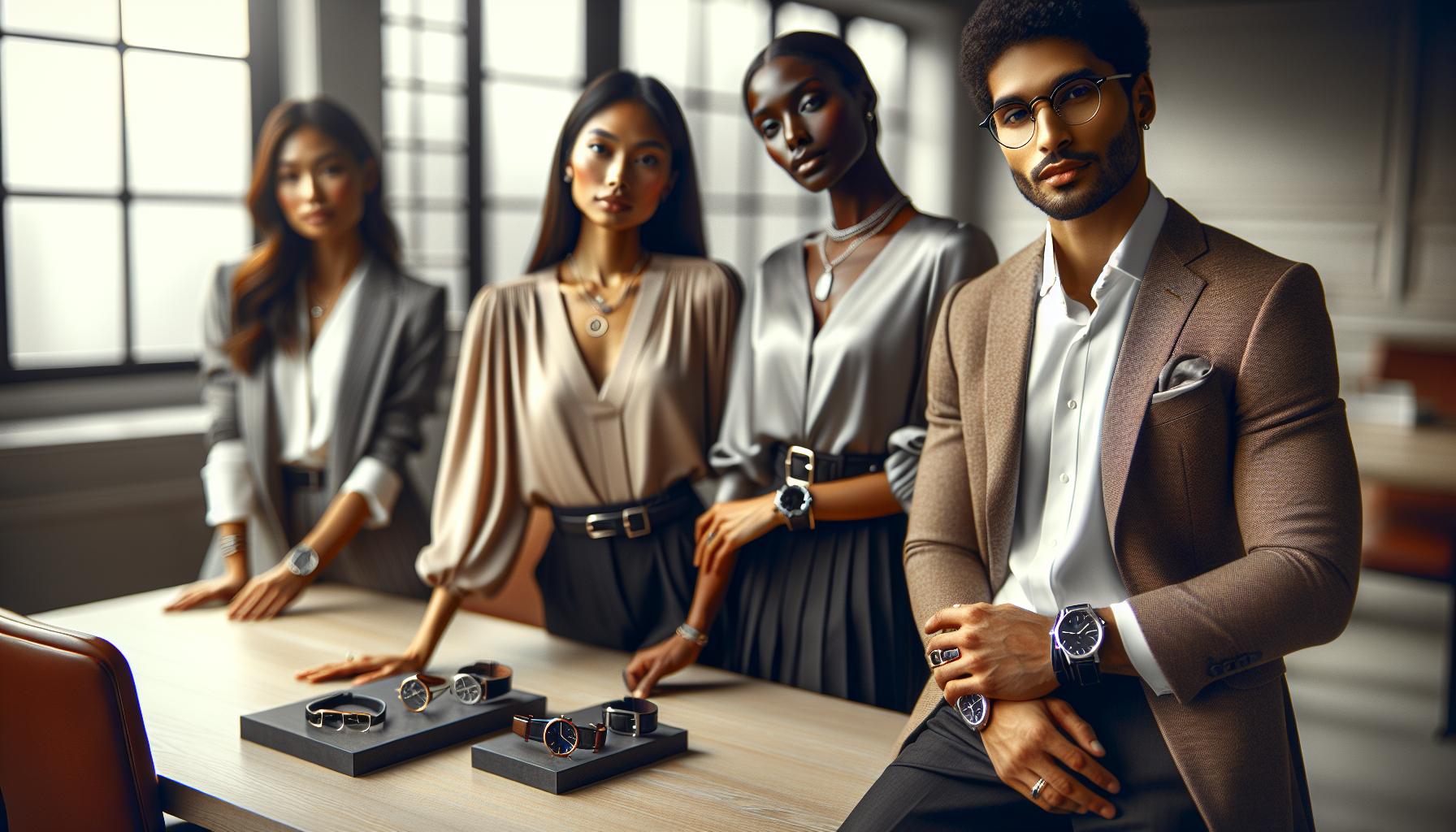
Common Business Casual Mistakes to Avoid
Wearing business casual is often perceived as straightforward, but many men fall into common pitfalls that can undermine a polished appearance. One major mistake is underestimating the importance of fit. Clothing that is too loose or too tight can create an unprofessional look, regardless of the quality or style of garments. Ensuring your attire is tailored to your body shape enhances not only your overall appearance but also your confidence.
Another frequent error is ignoring the context of your workplace environment. Business casual can vary significantly between industries, so what is acceptable in a tech startup may not be appropriate in a more traditional corporate setting. Failing to align your outfit with your company’s culture can make you seem out of touch. Always observe your colleagues and dress accordingly to maintain professionalism and respect the tone of your workplace.
Accessories are often overlooked in business casual outfits, yet they play a crucial role in elevating your look. Many men make the blunder of overdoing it with bold or flashy accessories, or conversely, neglecting them entirely. Striking a balance is key; opt for subtle and refined pieces that complement your outfit, such as a quality watch or a tasteful belt. These accents enhance your overall style without overpowering it.
Lastly, neglecting shoe choice can severely impact your business casual presentation. Sneakers or overly casual footwear can detract from an otherwise polished outfit. Invest in a few pairs of versatile shoes, such as loafers or brogues, that resonate with the business casual aesthetic. Remember, shoes can make a strong statement, and the right pair not only completes your outfit but also communicates your attention to detail and professionalism. Avoiding these common errors can significantly enhance your business casual wardrobe and ensure you make a lasting impression.
Seasonal Business Casual Styles: Dressing for the Weather
Dressing appropriately for varying seasons is essential in maintaining a polished business casual appearance while ensuring comfort. As temperatures change, so should your wardrobe choices. The right seasonal attire not only enhances your professionalism but also reflects a keen awareness of the environment around you. Here’s how to adapt your business casual style throughout the year.
Spring and Fall: Layering Essentials
During the transitional months of spring and fall, layering becomes crucial. You can start with a lightweight shirt-opt for breathable fabrics like cotton or linen. Pair it with a mid-weight blazer that provides structure without overheating. A sophisticated alternative is a tailored cardigan, which adds warmth without compromising style. When it comes to trousers, chinos in earthy tones can bridge the gap between formal and casual effortlessly.
*Key layers for spring and fall:*
- Lightweight button-up shirts
- Tailored blazers or cardigans
- Chinos in muted colors
- Smart loafers or ankle boots
Summer: Staying Cool and Professional
Summer often presents the greatest challenge for maintaining a business casual look. The key here is to opt for lighter fabrics to combat the heat. Choose breathable materials such as linen, seersucker, or moisture-wicking cotton. Short-sleeved button-down shirts can be a fresh alternative to the traditional long-sleeve styles.
In addition, consider investing in tailored shorts for casual Fridays or outdoor meetings-just ensure they are knee-length and paired with loafers to maintain professionalism. Accessories like sunglasses and breathable belts can add a stylish touch without detracting from your overall appearance.
*Essential summer pieces:*
- Lightweight, short-sleeve shirts
- Tailored shorts (knee-length)
- Moisture-wicking fabrics
- Breathable loafers or boat shoes
Winter: Warmth with Style
Winter demands more substantial layering while still adhering to a business casual vibe. Start with a good base layer, such as a fitted turtleneck or a thermal long-sleeve shirt. Add a wool blazer or a smart overcoat for outer warmth. When selecting trousers, opt for heavier fabrics like wool or flannel to maintain both warmth and style.
Shoes are crucial in winter; sleek leather boots not only keep your feet warm but can also elevate your outfit. Accessories such as scarves and leather gloves can add a touch of style while ensuring comfort in colder weather.
*Winter wardrobe staples:*
- Fitted turtlenecks or thermal tops
- Wool blazers or overcoats
- Heavier fabric trousers
- Sleek leather boots
Understanding how to dress according to the seasons ensures you remain stylish and comfortable in a business casual setting. By selecting the right materials and adapting your overall look as the weather changes, you can convey professionalism while enjoying the benefits of seasonal dressing.
Business Casual Guidelines for Various Industries
Navigating the business casual landscape can be particularly challenging given the varied expectations across industries. To ensure professionalism while embracing personal style, it’s crucial to understand the nuances of business casual attire suited for different sectors.
In the corporate world, such as finance or law, maintaining a polished look is essential. Men should gravitate towards tailored slacks paired with crisp button-down shirts, potentially under a lightweight blazer. Subtle patterns or colors in ties can add flair without crossing into overly casual territory. Shoes should be leather, preferably in darker shades, to reinforce a level of seriousness appropriate for client-facing scenarios.
Conversely, in the creative industries-like advertising and tech-there’s more room for personal expression. Here, polo shirts, tailored jeans, or smart sneakers can be acceptable, promoting individuality while still looking put-together. Use of vibrant colors and unique patterns can help one stand out positively in more relaxed environments.
In sectors like education and non-profits, the expectation tends to be a blend of business and casual. Men may opt for chinos or tailored trousers with a versatile short-sleeve button-up or knit polo. Layers such as casual blazers can work well, and loafers or dressy flats provide a comfortable yet professional footwear option. This attire allows for a friendly and approachable demeanor while conveying authority and professionalism.
Having a keen understanding of specific industry expectations around business casual can ensure that you dress appropriately while maintaining your personal style. Adapting to the culture within the workplace not only demonstrates your suitability for the role but also shows respect for your colleagues and the organization’s values.
Transitioning from Formal to Business Casual: Tips for Success
Transitioning from a formal dress code to a business casual environment can be both exciting and daunting. This shift not only allows for greater personal expression through clothing but also necessitates an understanding of how to balance professionalism with comfort. It’s essential to approach this adjustment with a clear strategy that includes selecting the right pieces, understanding the nuances of business casual attire, and adapting to your workplace culture.
To start, consider integrating key pieces from your formal wardrobe into business casual outfits. For instance, a tailored blazer or dress shoes can elevate casual staples like chinos or a clean white shirt. Implementing a mix of textures and layering can add depth to your look without sacrificing professionalism. It’s also beneficial to experiment with color and pattern gradually; introducing subtle colors in a shirt or accessory may help bridge the gap from a more conservative wardrobe to a modern business casual style.
Additionally, familiarize yourself with the specific expectations of your workplace. If your organization has a diverse culture or operates in a creative industry, feel free to incorporate more relaxed elements such as tailored jeans or stylish loafers. Observing colleagues who’ve successfully navigated this transition can provide valuable inspiration and insights into what is accepted and valued in your environment.
Lastly, stay mindful of the importance of fit. Properly fitted clothing conveys respect for yourself and your colleagues. Investing in a few key items tailored to your body type can make a significant difference. By thoughtfully curating your wardrobe and remaining flexible in your choices, you can effortlessly transition to a business casual style that reflects both personal flair and professional appropriateness.
How to Maintain Your Business Casual Wardrobe
Maintaining a business casual wardrobe is essential for sustaining a polished, professional image without sacrificing comfort. With thoughtful care and strategic choices, your clothing can continue to look fresh and appropriate as seasons and trends evolve. Regularly assessing what you own and how you wear it will not only keep your wardrobe in top shape but also enhance your overall personal style.
Begin by organizing your closet. Categorizing your clothing-such as blazers, trousers, dress shirts, and accessories-will help you easily see what you have and identify any gaps. You might consider a seasonal rotation to keep your wardrobe relevant. For instance, lighter fabrics and bright colors may be more suitable for summer, while warmer materials and deeper hues can work well in winter. Investing in good-quality hangers and storage solutions will maintain the structure of your garments, preventing wrinkles and damage.
Regular maintenance is key. Make it a habit to wash and iron your clothes according to the care labels, which prolongs their life and keeps them looking professional. to avoid damage. Moreover, consider scheduling a regular rotation into your outfit choices to ensure that all pieces are worn and refreshed. This reduces wear and prolongs the life of your favorites.
Finally, don’t forget about the power of accessories in enriching your business casual look. Items such as belts, watches, and quality shoes can elevate even the most basic outfit. Regular updates to your accessories can provide a fresh twist to your established wardrobe. By following these simple yet effective strategies, maintaining your business casual attire becomes streamlined, allowing you to focus more on your work while looking your best.
Expert Tips from Style Professionals on Business Casual Fashion
Understanding the nuances of business casual attire can significantly impact your professional image. Experts in style emphasize that business casual is more about flexibility and personal expression than rigid guidelines. To succeed in this style, focus on the balance between comfort, professionalism, and individual flair. Here are some insights from style professionals that can help you refine your business casual wardrobe.
Invest in Key Pieces
One foundational tip is to invest in versatile clothing that can be mixed and matched easily. Items such as tailored chinos, smart blazer jackets, and quality dress shirts create a solid base for any business casual outfit. Look for pieces that incorporate contemporary design yet still maintain a polished appearance. For example, a blazer can elevate a standard t-shirt and jeans into something appropriate for a business meeting.
Fabrics Matter
Choosing the right fabrics is essential. Natural materials like cotton, wool, and linen not only exude professionalism but also provide comfort and breathability, especially during warmer months. Avoid overly casual fabrics such as jersey or sweat-wicking materials, which may be suitable for the gym but are less appropriate for the workplace. Instead, consider options like lightweight wool trousers or crisp cotton button-downs that combine comfort with style.
Embrace Layering
Layering is a key technique in business casual styling. It adds depth to your outfit and allows you to adapt to varying office temperatures. A lightweight cardigan or casual blazer can be layered over a button-up shirt to create a sophisticated look. Additionally, layering provides an opportunity to introduce interesting textures and colors, enhancing your overall appearance.
Stay Updated with Trends
Fashion is ever-evolving, and keeping your wardrobe updated with current trends can set you apart in the business casual arena. Incorporate subtle trends such as patterned socks, unique footwear (like loafers or derbies), or eye-catching accessories to refresh your look without compromising professionalism. Be cautious, however; ensure that any trend aligns well with your workplace environment to maintain appropriateness.
By focusing on these expert-recommended strategies, you can craft an effective business casual wardrobe that not only enhances your professional presence but also allows you to express your unique style.
Faq
Q: What is the difference between business casual and smart casual for men?
A: Business casual is a step down from formal business attire, combining professionalism with comfort, while smart casual offers more flexibility and style. Business casual typically includes dress shirts and slacks, whereas smart casual can allow for jeans and stylish footwear. Refer to the section on “Key Elements of Business Casual Attire” for more details.
Q: Can men wear jeans as part of a business casual outfit?
A: Yes, men can wear jeans in a business casual setting, but they should be dark, well-fitting, and not distressed. Pair them with a blazer or a smart shirt to elevate the look. This approach is discussed further in the “Popular Business Casual Outfit Ideas for Men” section.
Q: Are sneakers acceptable in a business casual dress code for men?
A: Yes, clean and stylish sneakers can be acceptable in business casual environments, especially in creative fields. However, avoid athletic styles and opt for more polished designs. Upgrade your footwear by checking the “Accessories That Enhance Business Casual Looks” section.
Q: How can men transition their wardrobe from formal to business casual?
A: Transitioning from formal to business casual involves incorporating more relaxed items like chinos and polo shirts while retaining a professional appearance. Layering with blazers or cardigans can enhance the look. Find transitioning tips in the “Transitioning from Formal to Business Casual” section.
Q: What fabrics are best for business casual attire for men?
A: Lightweight cotton, linen, and wool blends are ideal for business casual outfits as they provide comfort and breathability. Avoid overly casual fabrics like jersey or sweat fabric. Explore the “Essential Fabrics and Materials to Consider” section for more recommendations.
Q: How should men accessorize for business casual?
A: Men can enhance a business casual outfit with belts, watches, and understated ties. Avoid flashy accessories and stick to classic pieces that add sophistication. Check the “Accessories That Enhance Business Casual Looks” section for specific suggestions.
Q: What colors work well in business casual attire for men?
A: Neutral colors like navy, gray, and beige are excellent choices for business casual. Incorporating subtle patterns and pastels can add versatility without being too casual. For detailed tips, refer to the “Color Palettes and Patterns: What Works Best” section.
Q: What are common mistakes to avoid when dressing business casual?
A: Common mistakes include wearing overly casual items like flip-flops, mixing casual with formal pieces incorrectly, or neglecting fit. Stick to well-fitted clothing that suits the business environment. Refer to “Common Business Casual Mistakes to Avoid” for more insights.
The Conclusion
Now that you’re equipped with a solid understanding of the business casual dress code for men, it’s time to put your newfound knowledge to use. Remember, the right attire not only boosts your confidence but also helps you make a lasting impression in professional settings. If you have any questions or need further guidance, don’t hesitate to explore our related articles on “Dress Code Etiquette” and “Accessorizing Your Business Casual Look.”
Take the next step in refining your style! Consider subscribing to our newsletter for the latest fashion tips or check out our curated collection of essential business casual pieces. Don’t settle for the ordinary-embrace your unique style while adhering to the principles we’ve outlined. Your wardrobe upgrade is just a click away, so dive into our resources and elevate your professional appearance today!