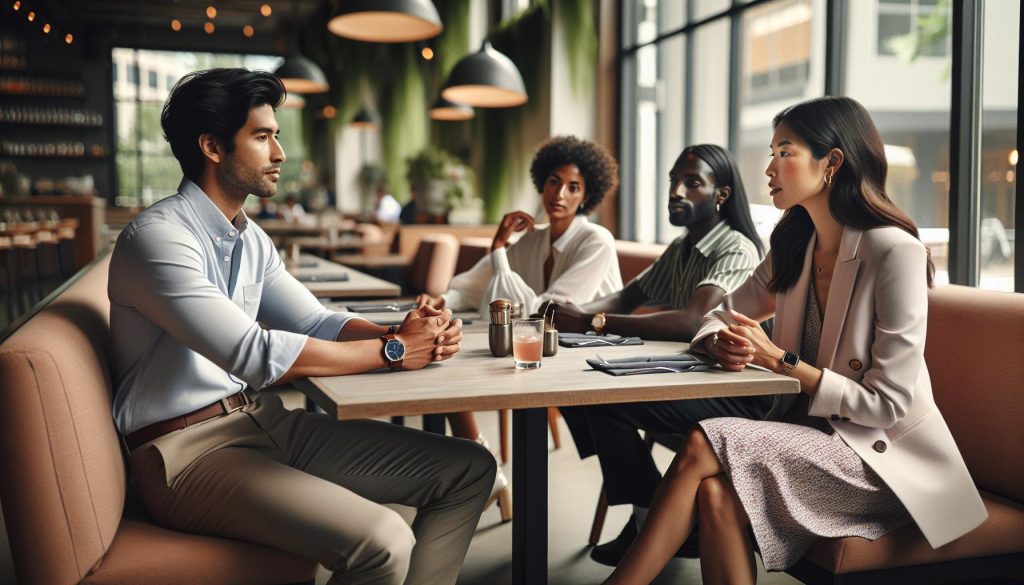
Navigating the dress code at restaurants can sometimes feel like stepping into uncharted territory, especially when it comes to business casual attire. Understanding what “business casual” means for restaurant staff is crucial, as it balances professionalism with comfort and style. This guide will clarify the nuances of business casual for restaurant settings, ensuring you feel confident and appropriate, whether you’re a server, manager, or part of the kitchen team. With insights into fabric choices, color palettes, and appropriate footwear, you’ll be well-equipped to make a lasting impression on your guests while maintaining the restaurant’s brand image. Let’s dive in and explore how to dress for success in the restaurant industry!
What is Business Casual in a Restaurant?
Dining establishments often establish a business casual dress code to strike a balance between professionalism and comfort, catering to patrons in a way that reflects a refined yet approachable atmosphere. Business casual in a restaurant setting allows guests to enjoy their dining experience without the constraints of formal attire while still encouraging a polished appearance. This style removes the elements of extreme casualness often associated with jeans and T-shirts, instead opting for a more curated wardrobe.
In this context, business casual typically means avoiding overly formal clothing, such as suits and ties, as well as overly relaxed items like sweatpants or flip-flops. Instead, patrons might opt for tailored pants, chinos, or dark jeans paired with collared shirts, blouses, or smart casual tops. Footwear should be closed-toe and polished, steering clear of sneakers or extremely casual sandals. Essential to the dress code is the notion that while casual, the attire should still communicate respect for the dining environment and its standards.
Understanding the nuances of business casual helps enhance the overall dining experience, fostering an atmosphere where guests feel comfortable engaging in conversation without sacrificing style. It allows diners to present themselves well, aligning with the restaurant’s vibe while enjoying the benefits of a relaxed yet sophisticated dress code.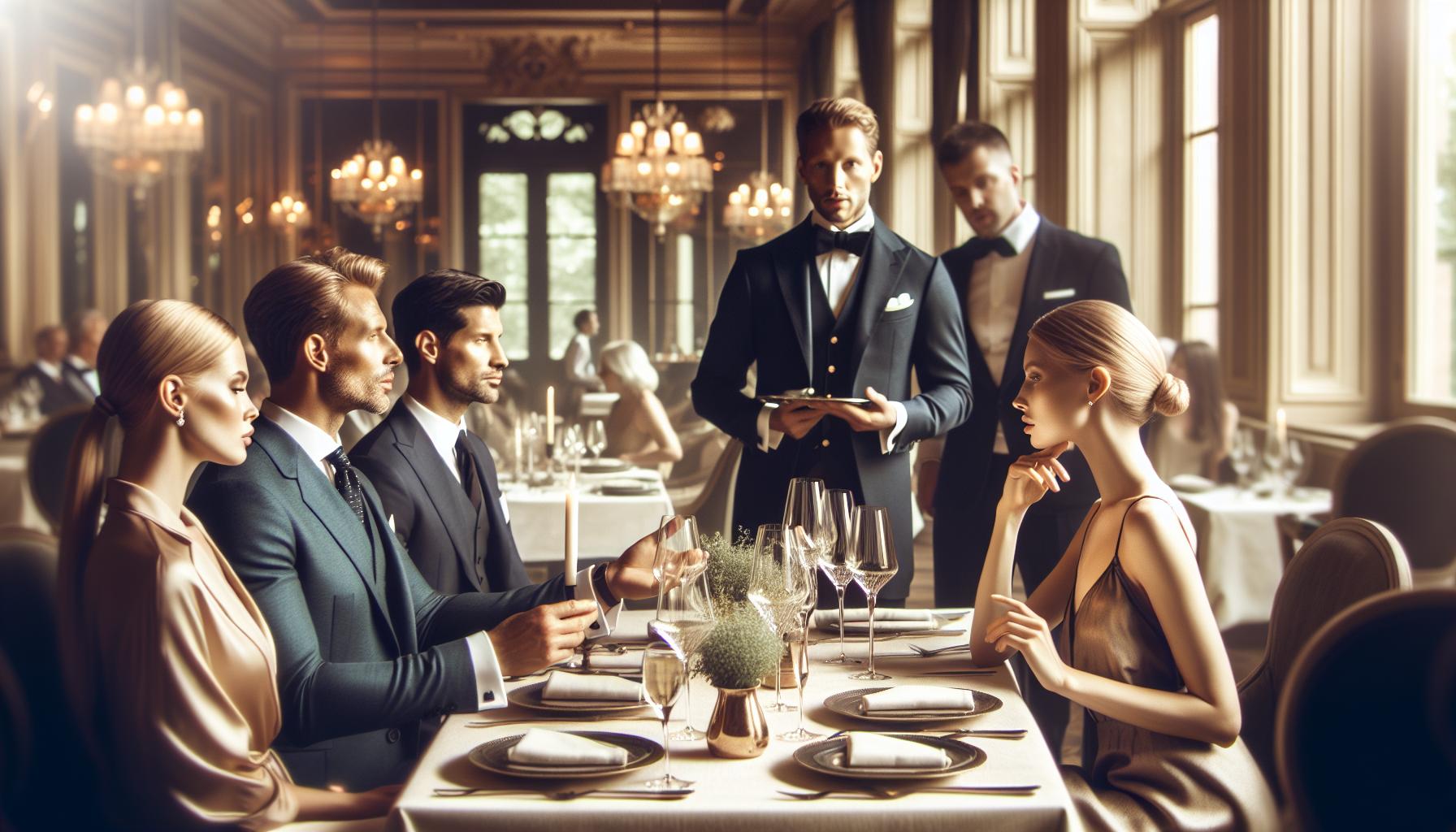
The Importance of Dress Codes in Dining
Dining establishments where dress codes are instituted create an experience that both enhances enjoyment and promotes a certain atmosphere. A well-defined dress code, particularly in a business casual setting, serves as a guideline for guests to present themselves appropriately for the occasion. This not only reflects respect for the restaurant’s ambiance but also fosters a sense of community among diners. When everyone adheres to a shared standard of dress, it cultivates an environment that is conducive to conversation and engagement, allowing guests to focus on the culinary experience and social interaction rather than what they or others are wearing.
Business casual attire strikes the right chord between formal and informal, making it especially appropriate for dining contexts where professionalism is appreciated but not strictly enforced. This flexibility can be advantageous for both diners and restaurant staff. For patrons, it can alleviate the stress of dressing excessively formal while ensuring they look presentable. For the restaurant, it helps maintain an upscale image, attracting a clientele that values both the quality of the food and the dining atmosphere.
Moreover, dress codes can influence the overall service experience. Staff members often dress in a business casual manner as well, aligning themselves with the clientele. This shared standard can promote a sense of cohesion in the dining space, where diners feel valued and respected. Such attention to detail in staffing attire enhances the overall perception of the restaurant, signaling quality and care that can extend to the food and service.
Ultimately, the implementation of a dress code in dining isn’t merely about appearance; it’s an idea rooted in creating a harmonious dining experience that aligns with the restaurant’s identity. The balance achieved through business casual attire encourages patrons to celebrate special moments without the constraints of formality, making every meal not just a culinary endeavor but an opportunity to connect with others in a thoughtful and refined setting.
Key Elements of Business Casual Attire
Business casual attire in a restaurant setting encapsulates a blend of style and professionalism, balancing comfort with an aspiration toward a polished appearance. This dress code invites patrons to engage with the dining experience while reflecting respect for the establishment’s atmosphere. not only delineate appropriate choices but also enhance the overall dining experience for both guests and staff.
To effectively embody business casual attire, consider the following elements:
- Shirts and Blouses: Opt for collared shirts or blouses in breathable fabrics. Men can choose button-up shirts or polo shirts, while women might opt for blouses or tailored tops. Avoid overly casual t-shirts or tank tops.
- Pants and Skirts: Tailored pants, chinos, or dark jeans are suitable for men. Women can wear dress pants, knee-length skirts, or good quality trousers that offer sophistication without being too formal.
- Footwear: Shoes should be clean and presentable. Men may wear loafers, brogues, or smart sneakers, while women can choose flats, low heels, or stylish ankle boots-avoid flip-flops or overly casual footwear.
- Outerwear: Depending on the weather, adding a blazer or smart cardigan can enhance the overall look. It’s a versatile layer that can transition a casual outfit into a more refined one when needed.
- Accessories: Minimal and tasteful accessories complete the business casual look. A classic watch, modest earrings, or a stylish belt can serve as effective complements without overwhelming the outfit.
Color choices should lean toward neutral or muted tones, creating an understated elegance that suits the restaurant environment. Patterns like subtle stripes or small checks can add interest without being distracting. Remember, the goal is to maintain a polished look that reflects personal style while adhering to the restaurant’s dress code. Integrating these key elements not only helps patrons feel confident but also fosters a respectful ambiance conducive to the culinary experience.
Men’s Business Casual: Essential Style Tips
Embracing a business casual style as a man dining out is essential for making a polished impression while still feeling comfortable. As restaurant environments often blend a relaxed atmosphere with the need for formality, striking the right balance becomes key. Understanding how to navigate this dress code can enhance not only your personal confidence but also the overall dining experience.
To start, opt for collared shirts such as button-ups or well-fitted polos. These choices maintain a neat appearance while avoiding the extreme formality of a suit and tie. Stick to subtle patterns or classic solid colors that evoke professionalism without overshadowing your ensemble. Pair these with well-fitted trousers or chinos that provide a tailored look without being constricting. Dark, clean jeans may also work, especially if you’re dining at a more casual establishment, but ensure they’re devoid of frays or excessive distressing.
The right footwear can significantly elevate your business casual outfit. Consider wearing loafers, dressy oxfords, or even clean smart sneakers that coordinate well with your clothing. Avoid overly casual options such as flip-flops or athletic shoes. A pair of shoes that are polished and in good condition will complement your overall look and convey a sense of respect for the dining experience.
Accessorizing appropriately is the final touch to completing your business casual ensemble. A classic watch or a simple bracelet can create a balanced, sophisticated look. Choose belts that match your shoes to unify your outfit, and opt for minimal, understated jewelry. While the focus should remain on your clothing, these elements add personality without overwhelming your appearance.
Ultimately, the aim should be to project a confident, put-together image that aligns with the atmosphere of the restaurant while ensuring comfort and ease as you enjoy your meal.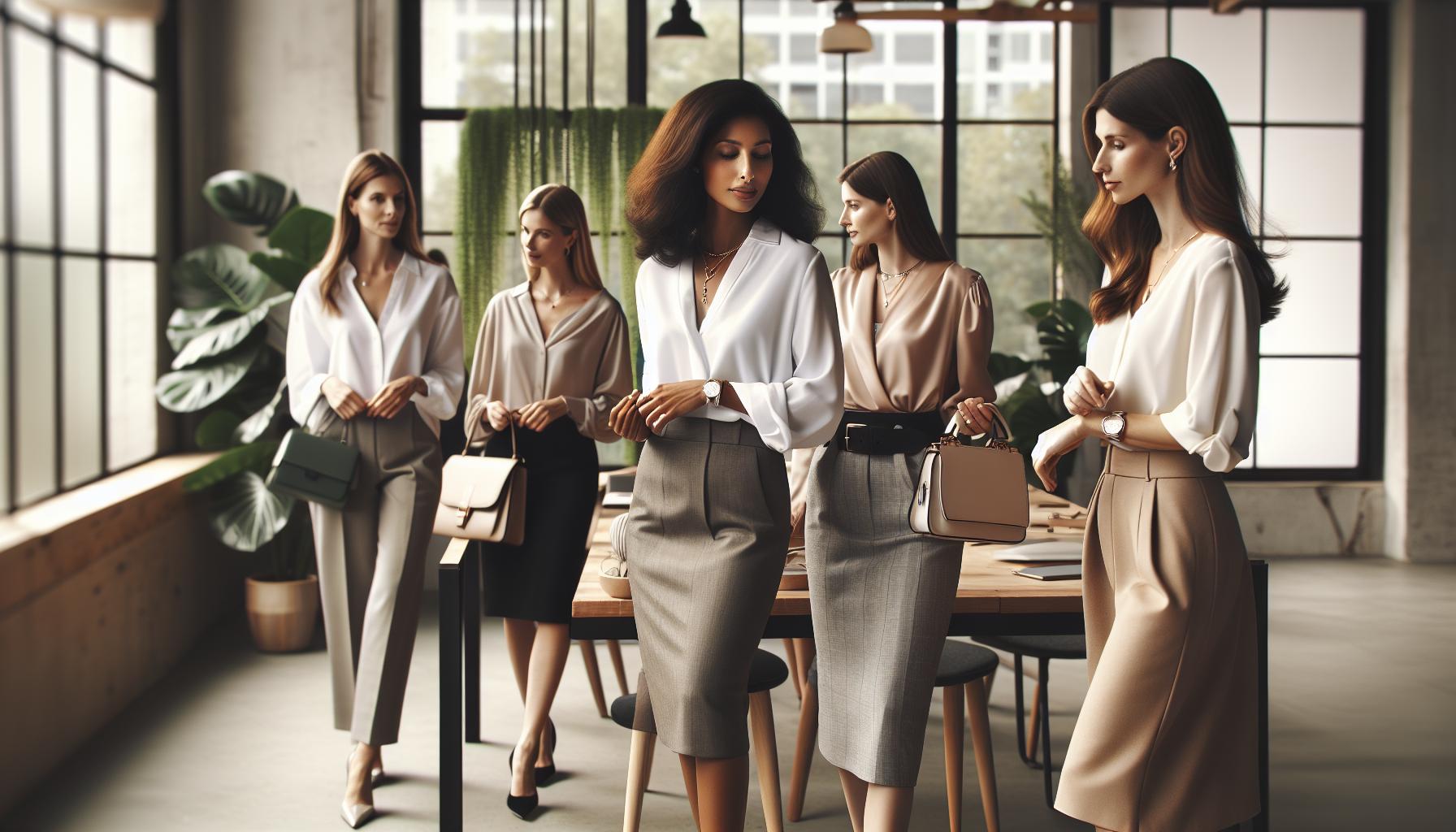
Women’s Business Casual: Essential Style Tips
Choosing the right outfit for a business casual setting in a restaurant is essential for projecting professionalism while maintaining comfort. Women can navigate this dress code by focusing on key elements that blend style and appropriateness. Versatile pieces, such as dresses, skirts, and tailored trousers, combined with thoughtfully chosen tops create a polished look that fits a range of dining environments, from casual bistros to upscale establishments.
One excellent choice is a tailored blazer paired with chic blouses. This combination elevates even basic jeans or trousers into a more refined outfit. Opt for blouses in soft fabrics that offer movement and drape, enhancing comfort but retaining an air of sophistication. Midi skirts can be a fantastic option, allowing for mobility while offering a stylish silhouette. A-line cuts or pencil skirts can complement a range of body types and maintain a professional appearance.
Footwear plays a pivotal role in rounding out women’s business casual attire. Dresses or skirts pair beautifully with flats, low-heeled shoes, or smart ankle boots. When selecting shoes, aim for those that reflect your personal style while remaining appropriate for the setting. Steer clear of overly casual options like flip-flops or overly high heels, as they can detract from the business casual vibe.
Lastly, accessorizing is key to completing the look. Opt for minimalistic yet elegant jewelry-think stud earrings or a simple pendant necklace that enhance rather than distract from your attire. A structured handbag can also refine the overall appearance while being functional for carrying essentials. By dressing thoughtfully for a business casual setting, women can convey professionalism while enjoying a comfortable and stylish dining experience.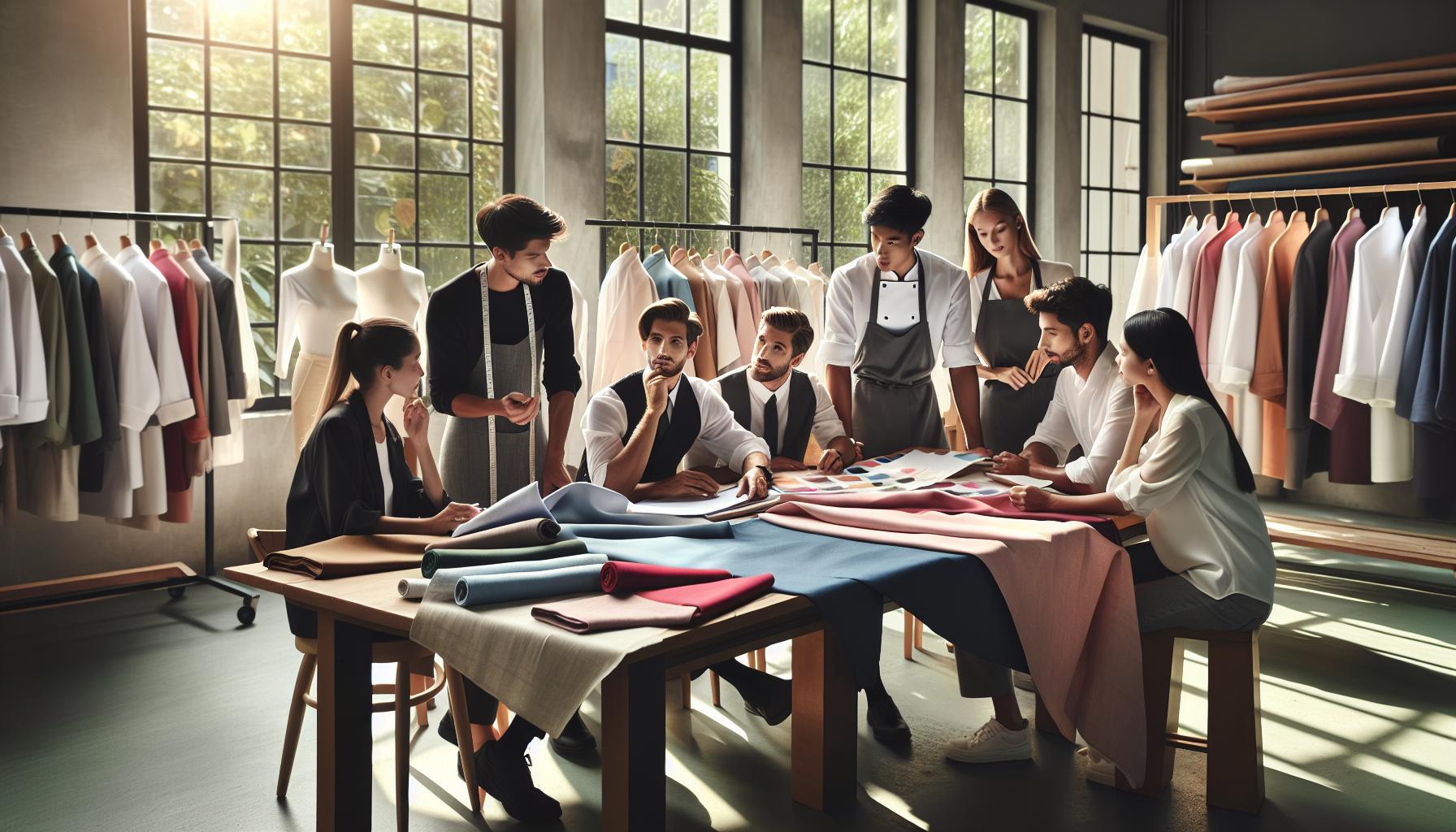
Fabric and Color Choices for Restaurant Attire
Selecting the right fabrics and colors for business casual attire in a restaurant setting can elevate your appearance significantly while ensuring your comfort throughout the dining experience. The right choice of materials can help you maintain a professional look while adapting to various restaurant environments, from laid-back eateries to more upscale venues. Comfort and aesthetics should work hand in hand to create a polished silhouette.
When it comes to fabric, opt for breathable materials that offer both flexibility and style. Natural fibers like cotton, linen, and silk are excellent choices, as they allow for airflow and movement, making them suitable for longer dining occasions. Blends such as cotton-polyester can also be practical, providing wrinkle resistance without sacrificing comfort. Avoid overly casual fabrics like jersey knits or fleece, which can undermine the business casual aesthetic. Instead, consider structured options like gabardine or twill for trousers, which maintain shape while providing a refined look.
Color choices play a pivotal role in setting the tone for your business casual outfit. Neutral tones-such as navy, gray, black, and beige-offer versatility, allowing for easy pairing with various tops and accessories. These colors convey professionalism and can be easily enhanced with pops of color through accessories or blouses. For instance, a tailored black blazer paired with a soft pastel blouse creates a fresh yet professional appearance. Consider incorporating subtle patterns, like pinstripes or small checks, to add interest to your outfit without overwhelming the overall look.
In a restaurant environment, remember that the aim is to balance professionalism with your personal style. By thoughtfully selecting the right fabrics and colors, you can create a cohesive and comfortable business casual ensemble that is suitable for any dining occasion.
Understanding the Difference: Smart Casual vs. Business Casual
In the realm of dining attire, distinguishing between smart casual and business casual is essential, particularly when opting for a restaurant dress code that communicates professionalism while allowing for personal style. Smart casual serves as a more relaxed blend, often integrating elements of casual wear with refined touches, perfect for settings that are upscale yet not strictly formal. Conversely, business casual leans toward a more structured approach, emphasizing a polished appearance ideal for professional scenarios, including client meetings or corporate gatherings.
When considering smart casual, think of a combination that allows for creativity and comfort without crossing the line into overly casual territory. For instance, a well-fitted blazer paired with a high-quality turtleneck and dark jeans can create a sophisticated look suited for a more casual dining venue. Accessories in smart casual can be expressive; colorful scarves or unique footwear can add personality. On the other hand, business casual attire mandates a tailored and cohesive outfit, typically involving dress pants or chinos for men, and blouses or tailored dresses for women. The goal is to convey professionalism while remaining approachable, thus ensuring you are well-received in both formal and semi-formal restaurant settings.
To encapsulate these differences effectively, it’s helpful to consider the following attributes:
- Smart Casual: More relaxed, often includes casual fabrics like cotton and blends; can incorporate unique elements; suitable for diverse dining experiences.
- Business Casual: Structured and polished; often includes tailored trousers or skirts; suitable for business meetings or professional events in dining contexts.
Understanding these distinctions can ensure that you select the appropriate attire for your restaurant visit, making a positive impression while feeling comfortable in your clothing choice.
Seasonal Considerations for Business Casual Outfits
When selecting business casual outfits for dining, considering the season can make a significant difference in your comfort and overall appearance. Each season brings unique opportunities to showcase style while adhering to the business casual dress code. In warm weather, lighter fabrics such as cotton and linen are ideal choices, promoting breathability and comfort. Opt for dress shirts in light colors, which not only reflect summer vibes but also help in staying cool during outdoor dining events. For men, pairing a short-sleeve collared shirt with chinos can strike the perfect balance between casual and professional. Women may choose lightweight blouses or tailored dresses, allowing for both style and comfort in warmer months.
As temperatures drop, layering becomes crucial in maintaining a business-appropriate look. Investing in tailored blazers or cardigans can add sophistication while also providing warmth. Opt for fabrics like wool or cashmere that convey a polished appearance without sacrificing comfort. Darker colors and rich textures can elevate your business casual attire, making it suitable for intimate restaurant settings even in the chill of winter. Men can consider pairing a tailored blazer with a crisp button-up shirt underneath, while women might choose tailored trousers with a chic turtleneck.
H3 Seasonal Fabric Recommendations
- Spring/Summer: Lightweight cotton, breathable linen, and airy fabrics.
- Fall/Winter: Medium to heavy-weight fabrics like wool, cashmere, and blends.
It’s also essential to pay attention to color palettes throughout the seasons. Bright, vibrant colors are often favored in spring and summer, while autumn tends to lean towards warm earth tones. Winter months are perfect for deep hues like navy, burgundy, and forest green. By aligning your outfit colors with the seasons, you can ensure that you not only dress appropriately for a restaurant setting but also express a keen sense of style that resonates with the time of year.
Role of Personal Grooming in Business Casual
Maintaining a polished appearance is crucial when it comes to making a positive impression in a restaurant setting, especially under a business casual dress code. Personal grooming acts as a silent communicator of professionalism and respect, complementing your outfit choices. When thoughtfully executed, grooming can elevate a business casual look from ordinary to outstanding, ensuring that you not only dress the part but also carry it with confidence.
For men, essential grooming practices include maintaining a neat hairstyle, trimming facial hair or being clean-shaven, and ensuring nails are clean and manicured. A well-groomed individual conveys attention to detail, which is particularly important in dining scenarios where ambiance and presentation matter. Opting for subtle fragrances can enhance your presence without being overwhelming, aligning with the understated nature of business casual attire.
Women should aim for a polished look that reflects professionalism while allowing individual style to shine. Simple yet effective grooming practices such as styling hair neatly, applying natural makeup, and wearing minimal jewelry can collectively enhance your overall appearance. Properly maintained nails and a light, pleasant fragrance can also add to a sophisticated presentation.
In essence, attention to personal grooming is a vital component of business casual attire. It reinforces your outfit choices and emits an air of professionalism that is essential in fine dining environments. By ensuring your grooming routines are in line with the ethos of business casual, you not only respect the dining experience but also boost your confidence, allowing you to fully enjoy the occasion.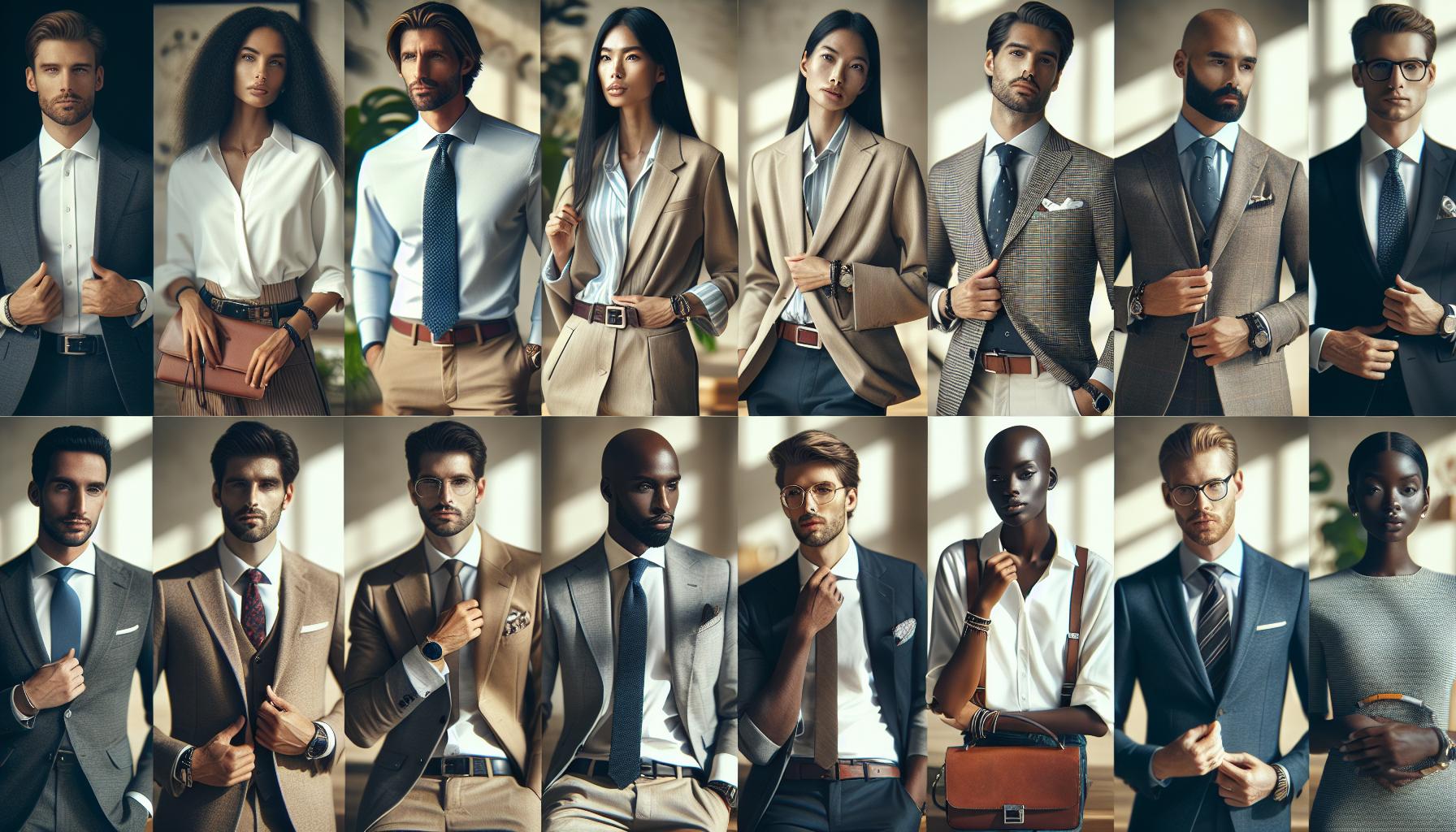
Accessories to Enhance Business Casual Attire
Enhancing your business casual attire with the right accessories can significantly elevate your overall impression at a restaurant. The key is to select pieces that are sophisticated yet understated, allowing elements of your personal style to shine through without overshadowing the professionalism of your attire. Elegant accessories can complete your look, adding personality and flair that speaks to attention to detail and consideration for the dining experience.
For men, classic accessories like a well-chosen belt, wristwatch, or pocket square can accentuate a business casual outfit. A high-quality leather belt in a complementary color that matches your shoes resonates with polished style. Meanwhile, a simple yet elegant wristwatch not only serves a practical function but also adds a touch of sophistication. Incorporating a pocket square can introduce a splash of color or pattern to a blazer, showcasing your ability to blend tradition with modern style.
Women can explore a variety of accessories to complement their business casual ensembles. A structured handbag in a neutral tone can be both functional and stylish, providing a seamless addition to outfits that might otherwise lack focal points. Jewelry such as stud earrings or a classic watch can enhance the sophistication of a look without being overly distracting. Scarves can also be a versatile component; they can be tied around the neck or the handle of a handbag, offering a chic layered look suitable for dining environments.
Color and material choice play a crucial role in selecting accessories. Aim for materials like leather or high-quality fabric, and choose colors that either match or tastefully contrast with your outfit. A cohesive color palette can create an impression of thoughtfulness and professionalism, making it easier to leave a lasting positive impression. Remember, the right accessories should enhance, not overpower, the overall business casual aesthetic. By thoughtfully selecting your accessories, you not only demonstrate an eye for style but also respect for the dining experience and those you are with.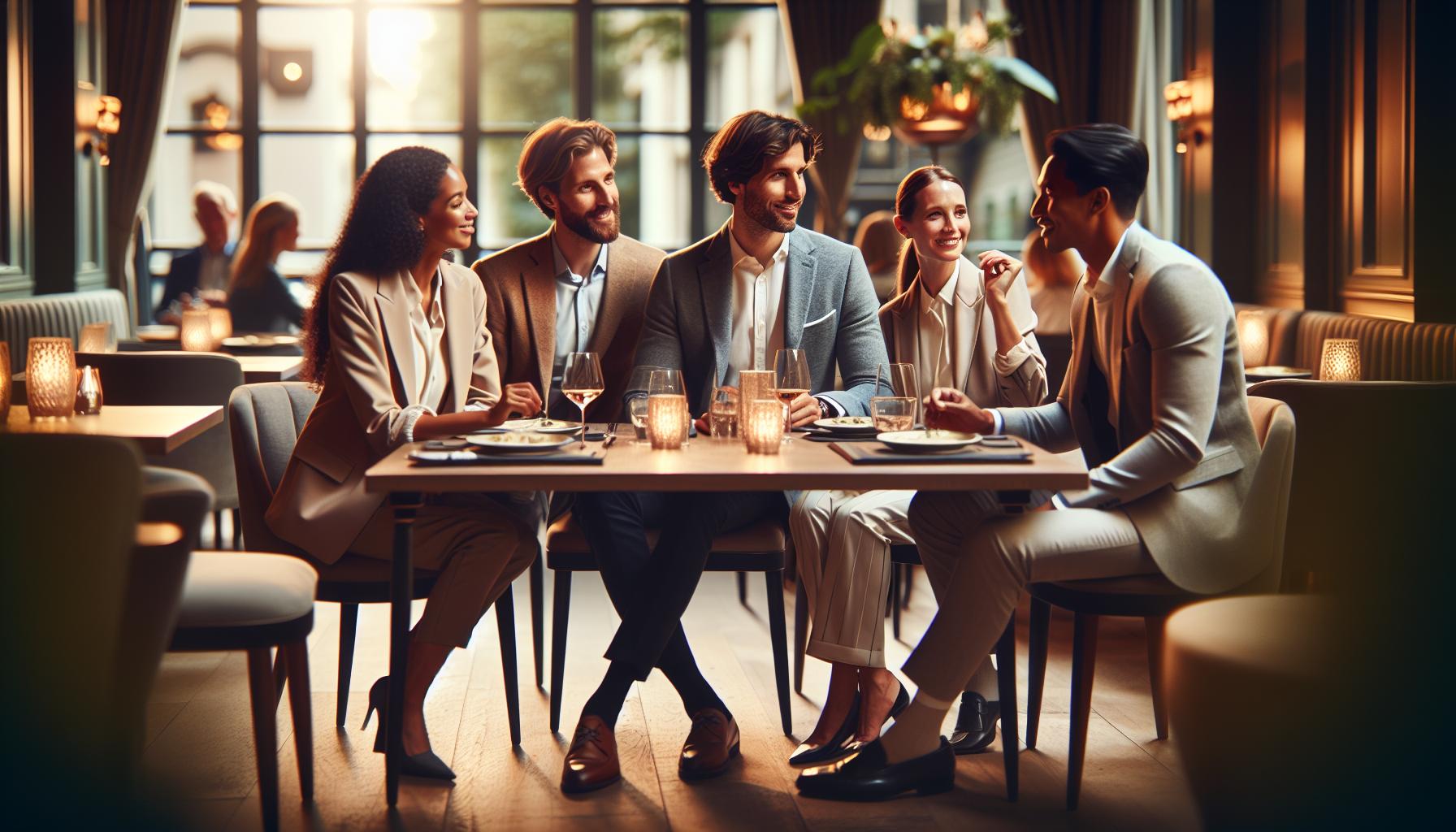
Examples of Business Casual Outfits in Restaurants
In the realm of dining, knowing how to present yourself through attire is essential, especially in environments with a business casual dress code. This dress style strikes a balance between professionalism and comfort, allowing diners to portray an image of professionalism without appearing overly formal. When considering outfits suitable for a restaurant setting, it’s important to think about both the image you wish to project and the atmosphere of the venue.
For men, a classic choice might involve tailored chinos paired with a crisp button-down shirt. This combination can be elevated with a lightweight blazer, and opting for loafers rather than sneakers maintains that polished look. Accessories like a quality leather wristwatch can add an elegant touch. Another great example would be wearing dark denim jeans with a smart polo shirt, layered under a sports jacket, creating a relaxed yet sophisticated vibe suitable for many dining experiences.
Women have a multitude of options that can reflect professionalism while ensuring comfort. A tailored dress or a combination of a blouse and tailored trousers is an excellent choice; the blouse can be tucked in for a more polished appearance. Pairing this outfit with a structured blazer can add an extra layer of sophistication. Footwear can vary from stylish flats to low-heeled shoes, ensuring that comfort is not sacrificed. Adding a statement necklace or scarf can enhance the overall look without going overboard.
Textures and patterns also play a crucial role in creating visually appealing business casual outfits. Consider incorporating fine materials like cotton or lightweight wool, and choosing subtle patterns that convey a sense of style without being overly flashy. Remember, the goal of a business casual outfit is to create an impression of professionalism suited for both the dining scenario and your personal style.
Common Mistakes to Avoid in Business Casual Dressing
Dressing for a business casual restaurant can be a tricky endeavor, as navigating this dress code requires an understanding of both professionalism and personal comfort. Many individuals make common mistakes that can detract from their overall appearance and the impression they leave on others. One of the most frequent pitfalls is misunderstanding the degree of formality required. For instance, wearing overly casual clothing, such as t-shirts or flip-flops, can diminish the business-like quality of the outfit, regardless of the venue’s ambiance.
Another common error is neglecting the fit of clothing. Oversized or poorly fitted garments can appear sloppy, undermining the polished look that a business casual dress code aims to achieve. It’s essential to choose items that flatter one’s shape and ensure a tailored look, even within casual boundaries. Similarly, fabric choices matter significantly; opting for jeans with rips or overly distressed styles can cross the line into too casual when attending a business-oriented meal.
Choosing the right accessories is crucial too, as they can either elevate or undermine an outfit. Overly flashy or distracting jewelry can take away from the sophistication intended by a business casual dress code. Instead, select subtle yet stylish accessories that complement the outfit, such as a classic watch or simple stud earrings. Lastly, personal grooming should not be overlooked; investing a few extra minutes in hair and grooming can make a significant difference in the overall impression and professionalism conveyed.
In summary, avoiding these common mistakes can greatly enhance your business casual attire at a restaurant. Stay mindful of the balance between comfort and professionalism, ensuring well-fitted clothing in appropriate fabrics while accessorizing in moderation. By steering clear of these pitfalls, diners can confidently present themselves in any business casual dining scenario.
Frequently Asked Questions
Q: What should I wear to a business casual restaurant?
A: For a business casual restaurant, opt for neat, professional attire such as collared shirts, dress pants, or skirts. For men, loafers or dress shoes work well, while women can choose flats or low heels. Always prioritize neatness and consider the restaurant’s ambiance for color choices.
Q: Are jeans acceptable in business casual restaurant attire?
A: Yes, jeans can be acceptable in a business casual setting. However, choose dark, well-fitted jeans that are free from rips or excessive distressing. Pair them with a tailored shirt or blouse to maintain a polished look appropriate for dining out.
Q: How do I accessorize for business casual at a restaurant?
A: Accessories should be simple and tasteful in a business casual setting. Consider wearing a watch, understated jewelry, or a belt that complements your outfit. Avoid overly flashy items to maintain a refined appearance suitable for dining.
Q: What fabrics are best for business casual restaurant outfits?
A: Choose breathable, comfortable fabrics like cotton, linen, or blends that hold their shape. These materials are not only stylish but also easy to care for, ensuring you look polished without sacrificing comfort during your restaurant visit.
Q: Is there a difference between business casual and smart casual?
A: Yes, business casual is more formal than smart casual. It typically includes dressier items like blazers and tailored pants, whereas smart casual allows for a more relaxed style like chinos and polo shirts. Understanding this difference is key for appropriate restaurant attire.
Q: How should I groom myself for a business casual outing?
A: Personal grooming is crucial in a business casual context. Ensure your hair is tidy, nails are clean and trimmed, and makeup (if worn) is subtle. This attention to detail enhances professionalism and shows respect for the dining environment.
Q: What are common mistakes to avoid with business casual attire in restaurants?
A: Common mistakes include wearing overly casual items like flip-flops or graphic tees, appearing unkempt, or choosing clothes that are too tight or loose. Always dress neatly and adhere to the restaurant’s vibe to maintain an appropriate appearance.
Q: Are there seasonal considerations for business casual outfits at restaurants?
A: Absolutely! In warmer months, opt for lighter fabrics and breathable styles like short-sleeved shirts and dresses. In cooler weather, layering with blazers or sweaters is ideal. Adapt your attire to suit seasonal temperatures while remaining professional.
In Retrospect
Understanding what constitutes business casual for a restaurant is key to creating a professional yet approachable atmosphere. By blending comfort with style, your attire can not only enhance your image but also positively impact customer interactions. As you consider your next steps, explore our related articles on “Essential Restaurant Uniforms” and “The Importance of First Impressions.”
Now’s the time to refine your wardrobe! Don’t miss out on presenting your best self at work-check out our curated selection of business casual outfits tailored for restaurant settings. Join our newsletter for the latest tips on professional attire and industry insights that will keep you informed and stylish. Elevate your dining experience today and leave a lasting impression!