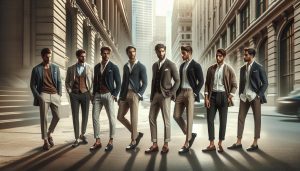
In today’s competitive professional landscape, first impressions matter immensely, and the attire you choose can speak volumes about your professionalism. Understanding business formal attire for women is essential not just for interviews but for any setting where you wish to project confidence and competence. This dressing code is more than just clothing; it encompasses a carefully curated style that helps convey authority and respect in any workplace environment. Whether you’re navigating a pivotal business meeting or engaging with clients, knowing how to dress appropriately can influence perceptions and open doors. This guide will explore key tips and insights into the nuances of business formal attire, ensuring you are well-equipped to dress to impress and leave a lasting impact. Keep reading to discover how you can enhance your professional wardrobe with elegance and poise.
Understanding Business Formal Attire for Women
Understanding the nuances of business formal attire for women is essential in creating a powerful first impression in professional settings. Business formal attire signals respect, competence, and authority, making it a vital aspect of dressing for success in corporate environments. This attire typically includes tailored pieces that reflect a polished aesthetic. It strikes a balance between professionalism and personal style, allowing women to convey their individuality while adhering to workplace standards.
When choosing business formal attire, focus on structured silhouettes that flatter the body without being overly tight or revealing. Common garments include tailored blazers, pencil skirts, dress pants, and well-fitted blouses. Opting for neutral colors such as navy, black, gray, or beige provides a versatile foundation, while subtle patterns or textures can add depth without detracting from the overall look. Additionally, incorporating quality materials like wool or silk enhances the outfit’s sophisticated appeal. By investing in key wardrobe staples, you’ll create a reliable capsule collection that can be mixed and matched for various occasions.
Understanding the importance of fit cannot be overstated. Ill-fitting clothing can undermine even the most elegant pieces, leading to an appearance that lacks professionalism. Seeking the assistance of a tailor can ensure the perfect fit, reflecting attention to detail and a commitment to quality. Furthermore, consider the context of your business environment; what suits a corporate boardroom may differ from a more creative or casual workplace. Being attuned to these differences is crucial for selecting appropriate attire.
Adopting a business formal dress code is not just about fabric and cuts; it’s about embodying the confidence and professionalism that can elevate your presence in the workplace. By mastering this art, you can foster a positive perception in the minds of your colleagues and superiors, ultimately contributing to your career advancement.
Key Elements of Women’s Business Formal Attire
Creating an impactful and professional appearance is crucial for women navigating the landscape of business formal attire. The right ensemble not only elevates one’s confidence but also communicates authority and competence in professional settings. Central to this concept are several key elements that define effective business formal attire.
- Structured Silhouettes: Opt for well-tailored pieces that create clean lines. Blazers with defined shoulders, tailored trousers, and pencil skirts help in projecting an image of professionalism without sacrificing femininity.
- Quality Fabrics: Invest in materials that look polished and feel comfortable. Natural fibers such as wool, silk, and cotton often exude an air of sophistication, while also allowing breathability and ease of movement.
- Neutral and Subdued Colors: Choosing a palette of muted hues like black, navy, grey, and beige provides a versatile foundation. These colors can easily be mixed and matched, reducing the effort in daily outfit planning while ensuring a polished look.
- Attention to Fit: A perfect fit can make all the difference in the overall appearance. Regardless of how beautiful a garment is, if it doesn’t fit well, it can detract from your professionalism. Consider visiting a tailor to customize your clothing appropriately.
- Minimal Patterns: Subtle patterns or textures can enhance the outfit without overwhelming it. Look for pinstripes or soft checks that add interest while remaining understated.
Additionally, it’s important to consider the context of your workplace environments. For instance, while a corporate office may require more traditional pieces, creative industries may embrace a slightly more relaxed interpretation of business formal. This adaptability can showcase not only your fashion sense but also your understanding of workplace culture. By blending these key elements, women can achieve a sophisticated style that reinforces their professionalism and personal brand.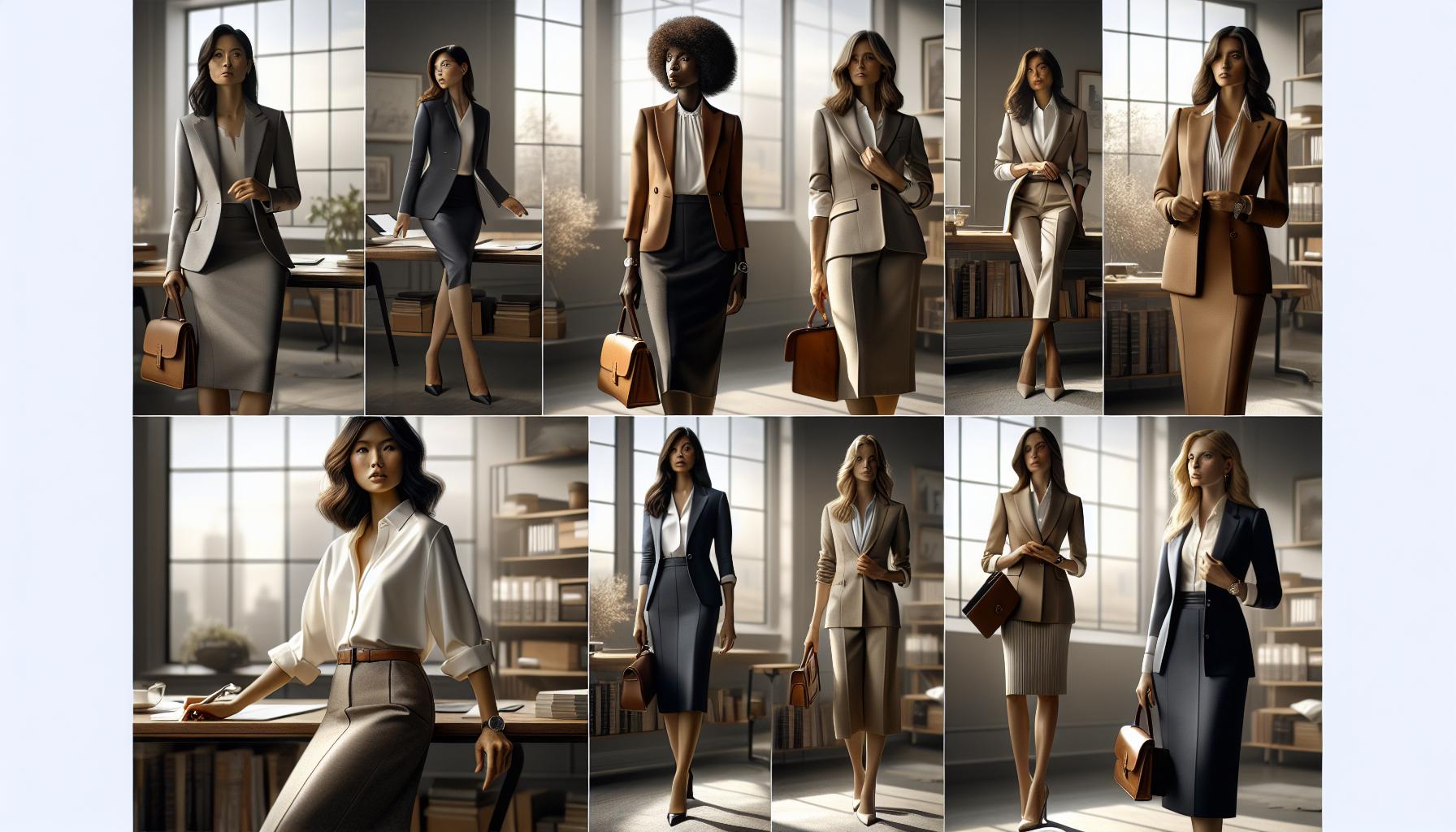
Essential Wardrobe Pieces for Professional Looks
Creating a strong professional wardrobe is essential for women in business formal settings, as it can greatly influence perceptions of competence and authority. Fundamental pieces form the backbone of a versatile and sophisticated professional wardrobe, ensuring that you can navigate any business environment with confidence and style. Here are crucial elements every woman should consider including in her professional attire collection.
- tailored Blazer: A well-fitted blazer is a cornerstone of business formal attire. Opt for classic colors like navy or black, and choose a cut that flatters your body type. This piece can be seamlessly paired with various bottoms to create a polished look.
- Dress Pants: Invest in quality dress pants that offer a tailored silhouette. High-waisted trousers or straight-leg fits provide a refined appearance while allowing for movement. Neutral shades like grey or beige offer versatility for mixing and matching.
- Pencil Skirt: A knee-length pencil skirt is a feminine yet professional option ideal for meetings or presentations. Select solid colors or subtle patterns that maintain an air of seriousness without compromising your personal style.
- Button-Up Shirts: Classic button-up shirts in crisp fabrics add sophistication and structure to any outfit. Consider styles with slight details, such as a unique collar or texture, to elevate the basic white shirt into something memorable.
- Professional Dress: A tailored sheath dress offers an effortless solution for business formal occasions. Look for styles with sleeves or those that can be paired with a blazer for a complete look.
- Outerwear: A chic trench coat or tailored overcoat is essential for colder months, ensuring you remain stylish while layering up. Choose a classic cut and color that complements your formal attire.
A thoughtfully curated wardrobe not only simplifies the process of getting dressed for work but also ensures that you can present your best self every day. By investing in quality, timeless pieces and keeping your specific professional environment in mind, you can create a versatile and sophisticated wardrobe that reflects both your professionalism and personal style.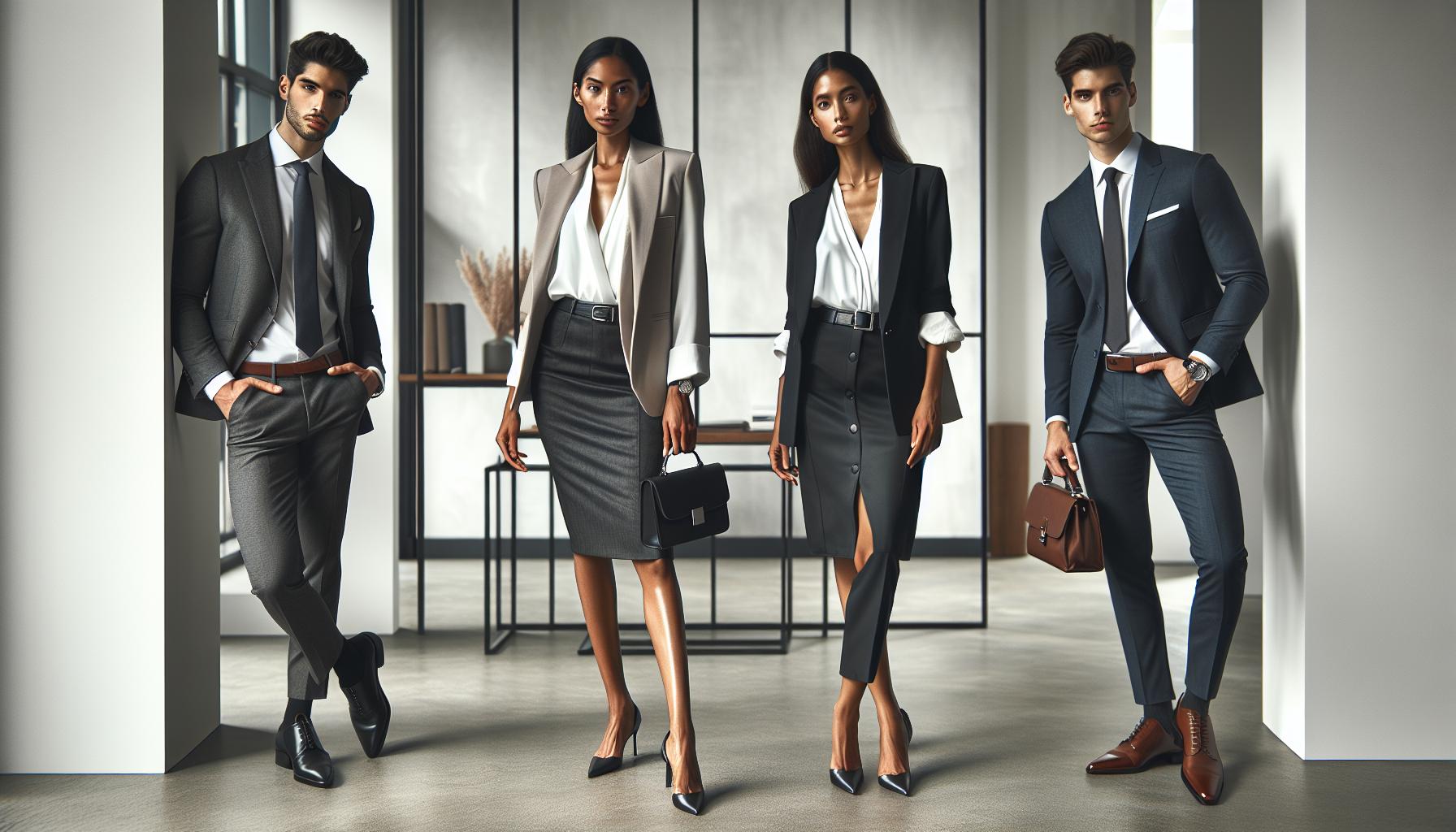
Choosing the Right Fabrics for Workplace Style
Choosing the right fabrics for your business formal attire is essential not only for achieving the desired professional aesthetic but also for ensuring comfort and durability throughout your busy workday. Fabrics can greatly influence the overall impact of your ensemble, helping you to convey authority and confidence.
When selecting fabrics, consider breathability and texture. Natural fibers like wool and cotton are excellent choices for tailored pieces, as they allow for air circulation and provide a sophisticated finish. Wool, for instance, is versatile across seasons; lightweight wool works well for warmer months while heavier weaves are perfect for colder climates. Cotton, particularly in a poplin or sateen finish, offers a smooth texture that can elevate button-up shirts and blouses. Always seek out high-quality fabrics that maintain their shape, resist wrinkling, and possess a subtle sheen to enhance your overall appearance.
Another factor to keep in mind is the appropriate weight of the fabric. Heavier fabrics like suiting wool provide structure and are ideal for blazers and trousers, offering a polished silhouette. On the other hand, lighter fabrics such as silk or high-quality blended materials are perfect for blouses and dresses, as they can drape elegantly while adding a touch of femininity to your look.
Finally, be mindful of pattern and color when selecting fabrics. Solid colors typically exude professionalism, while subtle patterns can add personality without overwhelming your appearance. For instance, a pinstriped blazer paired with a solid blouse strikes the right balance between formal and fashionable, allowing you to showcase your individual style while maintaining a business-appropriate look. Remember, the right fabric choice not only enhances your style but also helps you feel confident and poised in any business setting.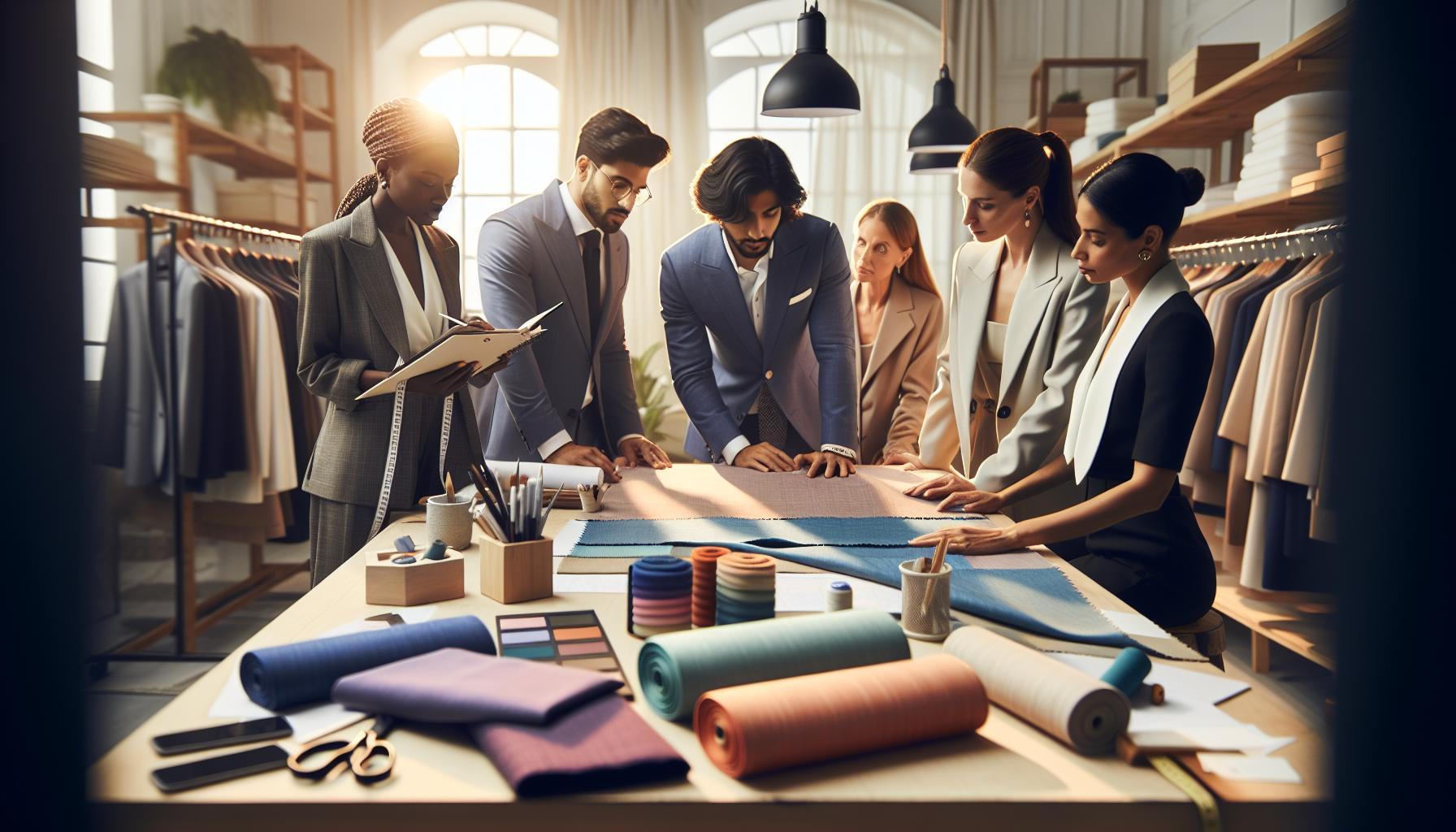
Color Psychology: What to Wear for Impact
Understanding color psychology can significantly enhance your impact in a professional setting, particularly when it comes to business formal attire. The colors you choose to wear can evoke specific emotions and perceptions, both for yourself and for those around you. This understanding allows you to strategically curate your wardrobe in a way that exudes confidence, authority, and professionalism.
For instance, blue is often associated with trust, loyalty, and competence. A classic navy suit can not only highlight your professionalism but also create a sense of reliability for colleagues and clients. Similarly, black is another powerful choice, symbolizing authority and sophistication. A black blazer over a white blouse is a timeless look that conveys strength and seriousness. On the other hand, grey offers a balance between power and approachability, making it an excellent option for meetings where you want to assert your position while remaining relatable.
Colors also serve as tools for personal expression within the confines of business formal attire. For example, incorporating muted tones of passionate colors like red can suggest confidence and decisiveness without appearing too aggressive. A subtle red accent, perhaps in a blouse or scarf, can attract attention while maintaining a sophisticated appearance. In contrast, lighter colors like pastel shades may communicate approachability and friendliness, ideal for team collaborations or informal networking events.
It’s essential to consider the context in which you’ll be wearing your chosen colors. For high-stakes meetings or interviews, sticking to traditional colors like navy, black, and grey can be prudent. However, if you’re attending a networking event or a creative industry meeting, don’t hesitate to incorporate some personality with richer, bolder colors. Just remember to maintain a balance that reflects your individual style while adhering to the expectations of business formal attire. By strategically selecting colors, you can enhance your professional presence and make a lasting impression on your colleagues and clients.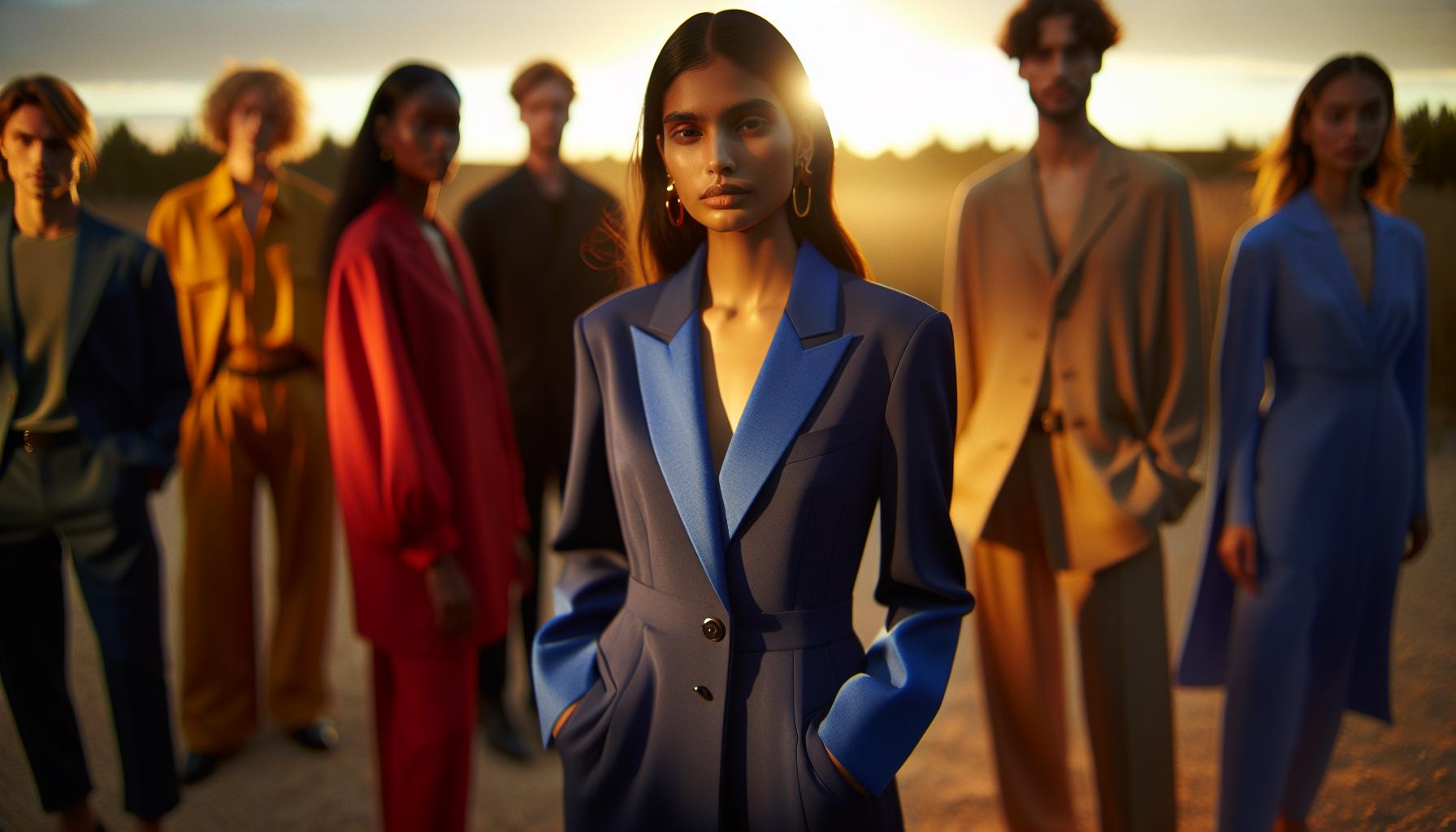
Accessorizing Your Formal Business Outfit
To create a polished and professional look that enhances your business formal attire, accessories play a vital role in tying the ensemble together. The right accessories can elevate your outfit from simple to sophisticated, making deliberate choices paramount to leaving a positive impression.
Start with jewelry, which should be understated yet elegant. Opt for classic pieces like a pair of pearl earrings or a delicate gold necklace. A statement piece, such as a bold cuff bracelet or an eye-catching brooch, can also work well but should be balanced with simpler items to avoid overshadowing your overall look. When selecting jewelry, remember the overall color palette of your outfit-gold tones typically pair wonderfully with warm colors, while silver complements cooler hues.
Choosing the Right Handbag
Your choice of handbag can significantly impact your professional appearance. A structured, leather tote is often recommended as it provides both functionality and style. Look for bags in neutral colors like black, navy, or beige, which can effortlessly complement various outfits. Avoid oversized bags, as they can appear casual; you want to ensure that your handbag is proportional to your stature and the formality of your outfit. A well-chosen handbag not only enhances your attire but also provides practical storage for your essentials.
Finishing Touches: Scarves and Belts
Scarves and belts can serve as excellent finishing touches to your business formal ensemble. A silk scarf can be elegantly knotted around your neck or tied to the handle of your handbag, adding a touch of color and texture without overwhelming your outfit. When it comes to belts, choose a sleek, minimalistic design in leather or fabric that matches your shoes or attire. A well-fitted belt can define your waistline and give your silhouette a polished appearance.
In essence, accessorizing your business formal outfit is about balance and complementarity. Each accessory should enhance your outfit without drawing undue attention or detracting from your professional demeanor. By thoughtfully selecting items that reflect your personal style while adhering to formal standards, you can confidently navigate any professional setting.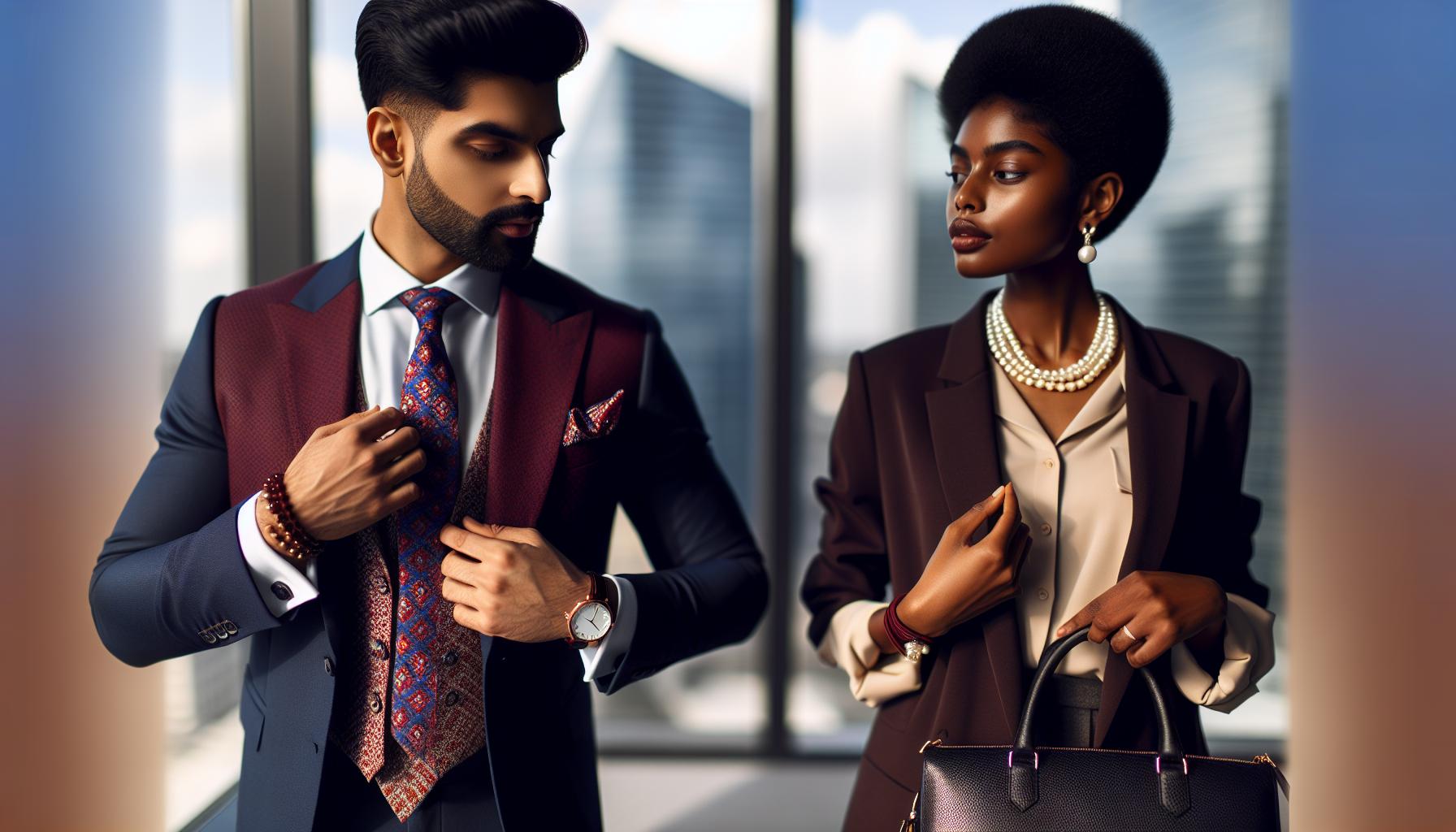
Footwear Fundamentals for Business Settings
In the realm of business formal attire, the right footwear plays a pivotal role in not just completing an outfit but also in ensuring comfort and professionalism. It’s important to recognize that shoes can speak volumes about your attention to detail and your understanding of the business environment. When selecting shoes for a formal business setting, aim for styles that align with the overall tone of your outfit while providing adequate support for long days at work.
Types of Suitable Footwear
For a polished look, opt for classic styles that embody professionalism. Here are some recommended shoe types:
- Pumps: A staple in any professional woman’s wardrobe, pumps typically feature a low to mid heel, striking a balance between sophistication and comfort. Aim for neutral shades such as black, nude, or deep navy to match a variety of outfits.
- Flats: Ballet flats or loafers are excellent alternatives if you prefer a more comfortable option without sacrificing elegance. Choose styles with sleek lines and quality materials to maintain a formal tone.
- Boots: Ankle or knee-high boots can also be appropriate, particularly in colder seasons. Opt for leather styles with a modest heel to ensure they fit within the business formal guidelines.
Focusing on Quality and Fit
Quality matters when it comes to business footwear. Investing in well-made shoes not only enhances your professional appearance but also promotes comfort and longevity. Look for shoes crafted from high-quality materials like leather or suede, which tend to be more durable and maintain their shape. Furthermore, ensure a proper fit; shoes should provide support without pinching or rubbing, as discomfort can impact your confidence and performance throughout the day.
Color and Style Considerations
The color of your shoes should complement your outfit while remaining understated. Stick to classic hues that coordinate with your wardrobe. If you’re wearing a darker or patterned ensemble, a pop of color can be appropriate-consider deep reds or emerald greens as accent colors. However, be mindful that vibrant shades should remain subtle and not draw excessive attention.
When selecting footwear, consider the overall message you want to convey in your business environment. Shoes that are stylish yet unobtrusive will not only enhance your attire but also affirm your commitment to a polished, professional appearance. By choosing footwear wisely, you can elevate your business formal outfits and navigate any professional setting with confidence.
Seasonal Trends in Women’s Business Attire
In the ever-evolving landscape of women’s business formal attire, staying current with seasonal trends can enhance your professional presence while allowing for personal expression. As styles shift with the seasons, incorporating fresh elements into your wardrobe can rejuvenate even the most classic looks. For instance, spring often heralds a resurgence of floral patterns and lighter fabrics, encouraging women to embrace softer colors and breathable materials. Think tailored blazers paired with pastel blouses or dresses that feature elegant floral prints-these elements not only reflect the season’s vibrancy but also maintain the necessary professionalism.
As temperatures drop during autumn and winter, layering becomes essential. Invest in high-quality wool blazers or chic trench coats that can be effortlessly layered over business attire. Darker hues such as deep burgundy or forest green become prominent, adding warmth to your outfits. Pair a streamlined pencil skirt with a fitted turtleneck and a structured coat for a polished appearance that resonates with the season’s aesthetic. Fall also allows for richer textures like tweed or cashmere, which add a sophisticated touch to your formal ensemble.
During summer, consider how to maintain professionalism while keeping cool. Lightweight fabrics like linen or breathable cotton can provide comfort in warmer temperatures. Shift dresses in light colors, complemented by classic pumps or stylish wedges, strike a balance between elegance and ease. Prioritize tailored cuts that allow for movement while ensuring you look the part in any business setting. Accessories in bright colors can further accentuate your outfits, making them feel fresh and season-appropriate without compromising professionalism.
Lastly, staying mindful of trends also involves being aware of cultural sensitivities and workplace norms. Some industries embrace flexibility, allowing for bolder patterns or colors, while others require adherence to a more conservative palate. By being aware of these subtleties, you can navigate seasonal attire trends effectively, ensuring you remain fashionable while meeting professional expectations. With these strategies, you can elevate your business formal wardrobe, enabling you to make memorable impressions in every professional engagement.
Mistakes to Avoid in Business Formal Wear
In the realm of business formal wear, making the wrong choice can undermine your professional image. Common mistakes often stem from a lack of attention to detail, which can inadvertently send the wrong message about your commitment and professionalism. For instance, one prevalent error is wearing clothing that is either too tight or too loose. Ill-fitting garments can be distracting and may convey a lack of professionalism. It’s crucial to invest in pieces tailored to your body shape to ensure a polished appearance. Remember, comfort is equally important; you should be able to move confidently without constantly adjusting your outfit.
Another frequent pitfall is disregarding the power of color and fabric. Choosing overly flashy or inappropriate colors can detract from the professionalism you’re trying to project. While it’s beneficial to incorporate colors that represent your personal style, ensure they align with the industry standards. For instance, a vibrant attire might be welcomed in creative industries but could raise eyebrows in corporate environments. Opt for classic hues like navy, gray, or black, complemented by softer shades as accents.
Accessories offer an excellent opportunity to enhance your formal look, yet they can become a double-edged sword if overdone. This includes wearing excessively large jewelry or choosing bags that clash with the formal aesthetic. Aim for subtlety and coherence; a simple pair of stud earrings and a structured handbag can elevate your ensemble without overpowering it. Equally important is your choice of footwear. High heels, while fashionable, can be impractical if you aren’t accustomed to wearing them. Prioritize comfort and professionalism; choose shoes that provide adequate support while being appropriately stylish.
In summary, avoiding these common mistakes can drastically improve your presence in a business environment. Strive for a consistent wardrobe that reflects professionalism while allowing for personal flair, and remember that your attire not only represents you but can also influence how others perceive your capabilities in the workplace.
Inspirational Looks: Successful Women in Business Attire
It’s inspiring to witness how successful women navigate the complex landscape of business formal attire while making impactful statements in their fields. These individuals expertly blend professionalism with personal style, often setting trends that influence others within their industries. Their choices in business attire not only reflect their authority but also their understanding of the power dynamics in professional settings.
When thinking about iconic business looks, consider figures like Indra Nooyi, former CEO of PepsiCo, who is often seen in impeccably tailored suits adorned with subtle, impactful accessories. Her wardrobe, often in neutral colors, emphasizes strength and commitment while allowing her personality to shine through. Similarly, Shonda Rhimes, the prolific television producer and writer, frequently opts for bold colors and statement pieces that reflect her creative spirit, proving that one can remain true to their identity while adhering to a formal dress code.
Key Elements of Their Looks
- Tailored suits: A fitted blazer paired with tailored trousers is a non-negotiable in the wardrobes of these leaders, ensuring a polished and professional appearance.
- Unique fabrics: Many successful women choose high-quality fabrics like silk and wool, which not only elevate their outfits but also ensure they respect the formality of their environment.
- Strategic use of color: Highlights of color-whether through a bold blouse under a dark blazer or a striking handbag-add personality while maintaining a professional demeanor.
- Sophisticated accessories: Simple yet elegant jewelry, such as a subtle wristwatch or stud earrings, enhances their look without overwhelming it.
- Comfortable yet stylish shoes: Many choose closed-toe pumps or chic flats, allowing them to navigate their busy days with confidence.
By emulating these successful women’s choices in business formal attire, others can cultivate a wardrobe that not only adheres to professional standards but also underscores their unique style, boosting both confidence and career prospects.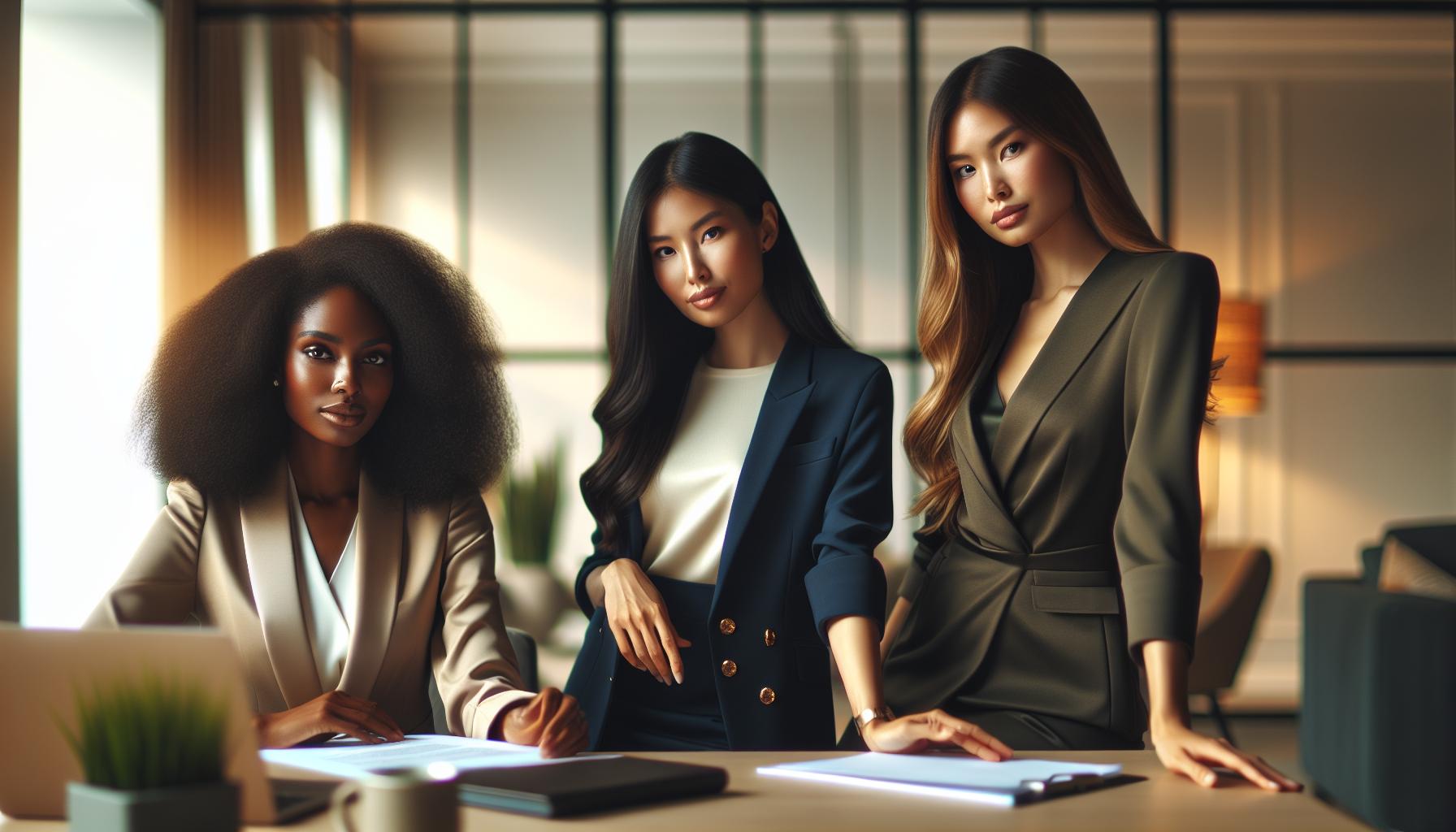
Preparing for Interviews: Dress to Impress
The first impression you create during an interview can significantly impact your opportunity for success, and attire plays a critical role in that initial perception. Dressing in business formal attire not only reflects your professionalism but also showcases your understanding of workplace culture. To make a lasting impression, opt for well-fitted garments that highlight your attention to detail and respect for the interview environment.
Start by selecting a tailored suit, as it is the backbone of business formal attire for women. A fitted blazer paired with either tailored trousers or a knee-length skirt exudes confidence. Choose high-quality fabrics such as wool or cotton blends; they not only look sophisticated but also ensure comfort-vital when you’re under the interview spotlight. For tops, a classic blouse in a neutral shade can add polish, while subtle colors can provide a touch of personality without overwhelming your look.
Accessorizing is equally important in transforming your interview outfit from standard to standout. Aim for pieces that bring elegance yet maintain simplicity-think classic stud earrings and a minimalist wristwatch. Additionally, keep your handbag structured and professional; this reinforces a cohesive aesthetic. Footwear should be both stylish and practical; closed-toe pumps or chic flats can complete your ensemble while allowing you to move with ease.
Remember, preparation goes beyond just selecting outfits; anticipating potential cultural sensitivities is essential. Research the company culture to align your look with their expectations. Ultimately, dressing to impress in a business formal context during interviews is about presenting yourself as a capable, confident candidate. The right attire not only enhances your self-assurance but also sends a powerful message of professionalism to potential employers.
Cultural Considerations in Professional Dress
When it comes to professional attire, understanding cultural nuances is essential for making a positive impression. Different industries and geographical locations have distinct expectations regarding business formal dress, affecting what is deemed acceptable or inappropriate. This awareness can set you apart as an informed and respectful candidate, particularly in multicultural environments where attire might carry specific meanings or connotations.
In industries like finance or law, traditional business formal attire is often required. A tailored suit and conservative colors like black, navy, or gray can help convey professionalism. Conversely, in creative fields such as advertising or design, there might be more flexibility to express individuality through clothing choices. Bright colors, patterns, and unique accessories may be welcomed, signaling creativity and personality. Researching your potential employer’s dress code through their website or social media channels can provide valuable insights into these cultural contexts.
It’s also important to consider cultural customs that may influence what you wear. For instance, in some cultures, modesty is paramount; therefore, opting for longer skirts or sleeves may be more appropriate. Understanding specific cultural dress codes can help prevent unintentional offenses and demonstrate sensitivity toward diverse backgrounds. Communication around expectations can be as simple as asking a contact within the organization about appropriate attire for events or everyday work.
Moreover, personal grooming and hygiene are universally important and should never be overlooked regardless of the cultural backdrop. Presenting a clean and polished appearance is essential; this includes neat hair, minimal fragrance, and appropriate makeup. Ultimately, being attuned to cultural considerations not only elevates your professional image but also ensures you make informed choices that align with the ethos of the organization you aspire to be part of.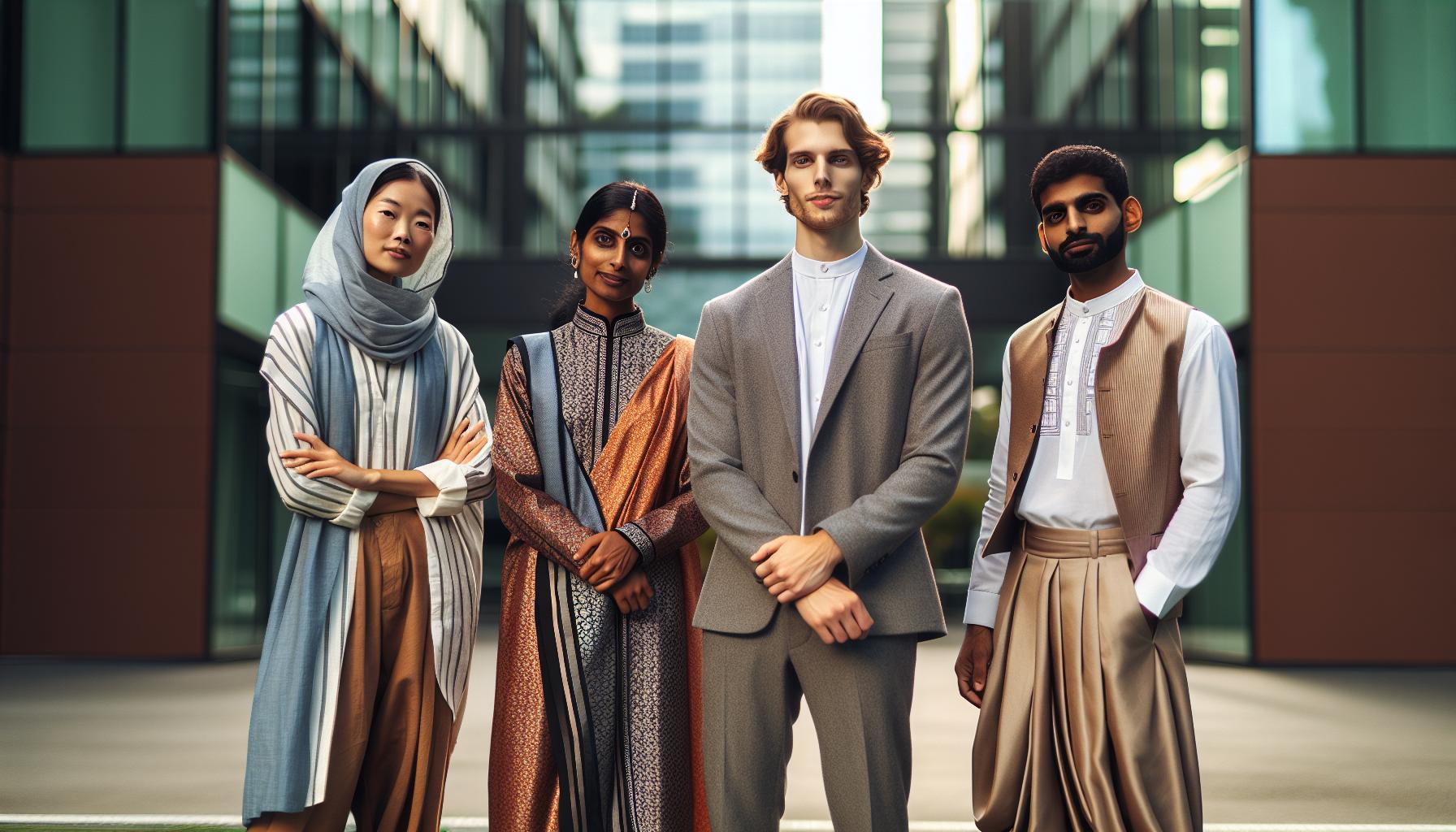
Q&A
Q: What are some common pieces included in a business formal attire for women?
A: Common pieces of business formal attire for women include tailored suits (pantsuits or skirt suits), blouses, knee-length dresses, and professional shoes such as closed-toe pumps. Accessories like a structured handbag and understated jewelry can enhance your look. For more insights, visit the section on Essential Wardrobe Pieces for Professional Looks.
Q: How should women choose colors for business formal attire?
A: Women should choose neutral or muted colors like navy, black, gray, or beige for business formal attire to convey professionalism. Adding subtle pops of color is acceptable, but ensure they remain sophisticated. Refer to the Color Psychology section for tips on making impactful choices.
Q: What types of fabrics are best for women’s business formal wear?
A: High-quality fabrics such as wool, silk, and cotton blends are ideal for business formal wear. These materials drape well, offer comfort, and maintain their appearance throughout the day. For more details, check the Choosing the Right Fabrics for Workplace Style section.
Q: How can women effectively accessorize their business formal outfit?
A: Women can accessorize business formal outfits with simple yet elegant items like stud earrings, a classic watch, and a structured handbag. Avoid overly flashy accessories to maintain professionalism. Explore more in the Accessorizing Your Formal Business Outfit section.
Q: What mistakes should women avoid when dressing in business formal attire?
A: Common mistakes include wearing overly casual pieces, excessive accessories, or unflattering fits. Ensure your attire is tailored, professional, and appropriate for your workplace environment. Refer to the Mistakes to Avoid in Business Formal Wear section for further guidance.
Q: How do I choose the right footwear for business formal attire?
A: Opt for closed-toe shoes with a modest heel, like pumps or loafers, as they are both stylish and appropriate for business settings. Ensure they are comfortable for long wear. Check the Footwear Fundamentals for Business Settings for comprehensive tips.
Q: What should women wear to an interview in a formal business context?
A: Choose a tailored suit or a professional dress paired with conservative footwear to create a polished image for interviews. Neutral colors and minimal accessories enhance professionalism. For additional advice, see the Preparing for Interviews: Dress to Impress section.
Q: Are there cultural considerations women should keep in mind for business formal attire?
A: Yes, cultural norms can affect business attire expectations. It’s essential to understand local customs and dress codes to dress appropriately and respect workplace diversity. Further insights can be found in the Cultural Considerations in Professional Dress section.
Future Outlook
Understanding the nuances of business formal attire can significantly enhance your professional presence and make a powerful impression. By incorporating the tips outlined, you’re well-equipped to navigate any formal setting with confidence and style. If you’re looking to further refine your wardrobe, explore our resources on smart casual attire and business casual guidelines to diversify your office looks.
Don’t hesitate to take the next step in elevating your professional style-sign up for our newsletter to receive more tips and exclusive insights directly to your inbox. Your journey toward mastering professional attire starts now. Feel free to share your thoughts or questions in the comments below; we love hearing from you! With the right outfit, you’re not just part of the world of business-you stand out in it.