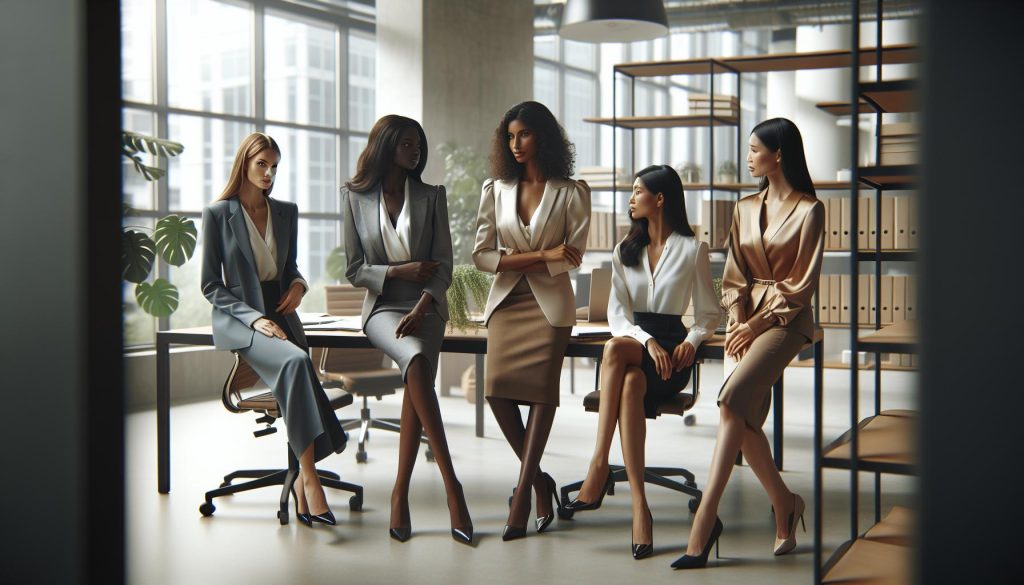
In today’s professional landscape, mastering business formal attire is essential for women aiming to make a lasting impression. With the increasing significance of personal branding in the workplace, understanding the nuances of appropriate dress can enhance credibility and confidence during important meetings or interviews. Business formal attire not only reflects professionalism but also showcases an individual’s respect for the opportunity and environment. As you navigate this guide, you’ll discover essential style rules that will empower you to choose outfits that align with corporate expectations while expressing your unique style. Ready to elevate your wardrobe and presence? Let’s explore the key elements of business formal attire for women.
Understanding Business Formal Attire for Women
involves recognizing the nuances that set it apart from other dress codes. This level of formality often sets the tone for professional interactions, making it crucial for women to master this style to convey competence, confidence, and respect for the workplace. Typically, business formal attire is characterized by tailored pieces that project professionalism and poise. Think of structured suits, blazers, and dresses in classic cuts that emphasize sophistication.
The key elements in crafting a business formal wardrobe include high-quality materials and polished finishes. Choices such as wool, silk blends, and high-quality cotton are preferred, as they not only look sharp but also withstand the rigors of daily wear. A palette of neutral colors like black, navy, gray, and white forms the foundation of many women’s business formal wardrobes, allowing for easy mixing and matching while maintaining an authoritative appearance.
Incorporating essential styles into your collection-like tailored trousers, pencil skirts, and fitted blazers-ensures versatility and appropriateness for various professional settings. While dresses can be elegant choices, they should be knee-length and paired with blazers to achieve a balanced look. Ultimately, understanding these principles allows women to project professionalism effectively, making a strong impression in the business world.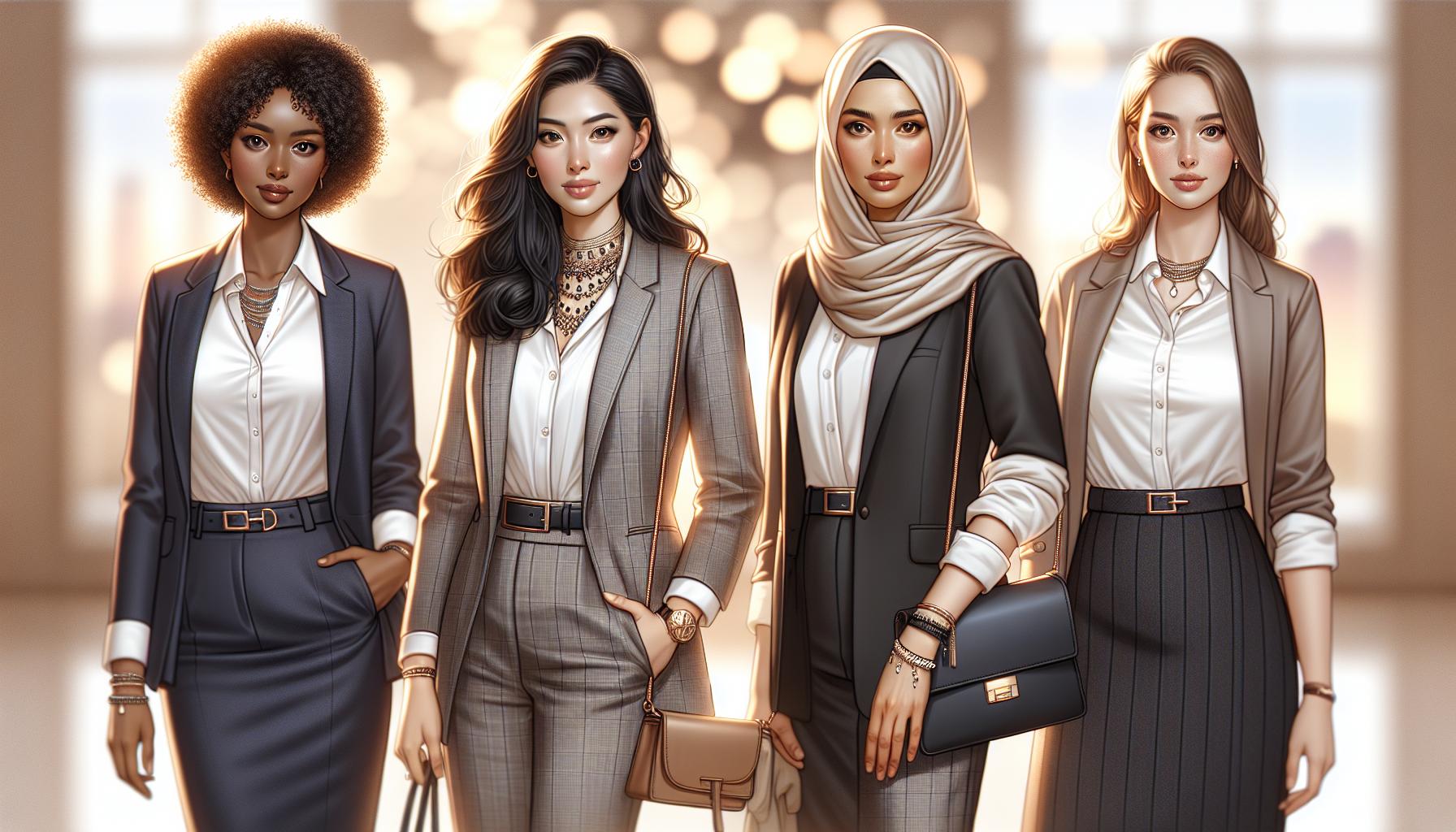
Key Elements of Women’s Business Formal Attire
The intricacies of women’s business formal attire go beyond basic guidelines, reflecting an understanding of balance between professionalism and personal style. At its core, this attire is about presenting oneself in a manner that conveys authority while still allowing for subtle expression of individuality. The foundational elements include tailored silhouettes that highlight the wearer’s formality without compromising comfort. Structured pieces such as blazers, fitted trousers, and tailored skirts are essential. These garments should ideally fit well, as a polished look speaks volumes about one’s attention to detail.
Key Components of Business Formal Wardrobe
To effectively curate a business formal wardrobe, consider the following key components:
- Blazers: These should be sleek and tailored, ideally in classic colors like black or navy to ensure versatility.
- Pants and Skirts: Opt for tailored trousers or knee-length pencil skirts. Both should maintain a classic cut to ensure appropriateness across various professional scenarios.
- Dresses: If choosing dresses, select styles that hit at the knee and can be paired with a blazer for a cohesive look.
- Shirts and Blouses: Dress shirts in materials like silk or high-quality cotton add elegance and ensure a polished appearance.
The choice of fabrics is equally crucial; premium materials like wool blends and silk ensure durability and enhance the overall look. A well-maintained wardrobe featuring these fundamental items allows for easy mixing and matching, enabling women to create numerous outfits that uphold the business formal standard while saving time during the morning rush. By focusing on these key elements, women can confidently navigate any professional environment, projecting both competence and style in every interaction.
Essential Fabrics and Colors for Professional Looks
In the realm of business formal attire, the choice of fabrics and colors plays a crucial role in projecting a professional image while also allowing for personal expression. High-quality materials not only enhance the overall aesthetic of an outfit but also contribute to its durability and comfort throughout a busy workday. Opting for fabrics like wool, silk, and high-quality cotton can elevate basic garments into staple pieces that exude sophistication. Wool blends are particularly popular for blazers and trousers as they offer structure and maintain their shape, while silk adds a refined touch to blouses and dresses, lending an air of elegance.
When it comes to color selection, classic hues form the foundation of any business formal wardrobe. Navy, black, gray, and white remain timeless choices that convey professionalism and authority. Incorporating subtle variations within these shades can add depth to your outfits; for instance, consider a charcoal blazer with a light gray blouse. Additionally, integrating soft pastels or muted jewel tones can provide a refreshing contrast while still adhering to formal standards. It’s advisable to limit bold prints or bright colors, as they may distract from the professional impression you aim to create.
Another essential aspect to consider is how these elements work together in creating an cohesive appearance. A well-chosen combination of fabric and color can create a balanced silhouette that feels both comfortable and confident. For example, pairing a structured wool blazer in navy with a silk blouse in a delicate blush can provide both visual interest and a seamless professional look. Strive to maintain a cloth palette that remains versatile and allows for easy mixing and matching, ensuring you can navigate any professional environment with ease and confidence.
Ultimately, fostering a business formal wardrobe that emphasizes quality fabrics and classic colors not only enhances your professional presence but also allows for creativity in how you express your personal style within the parameters of corporate attire.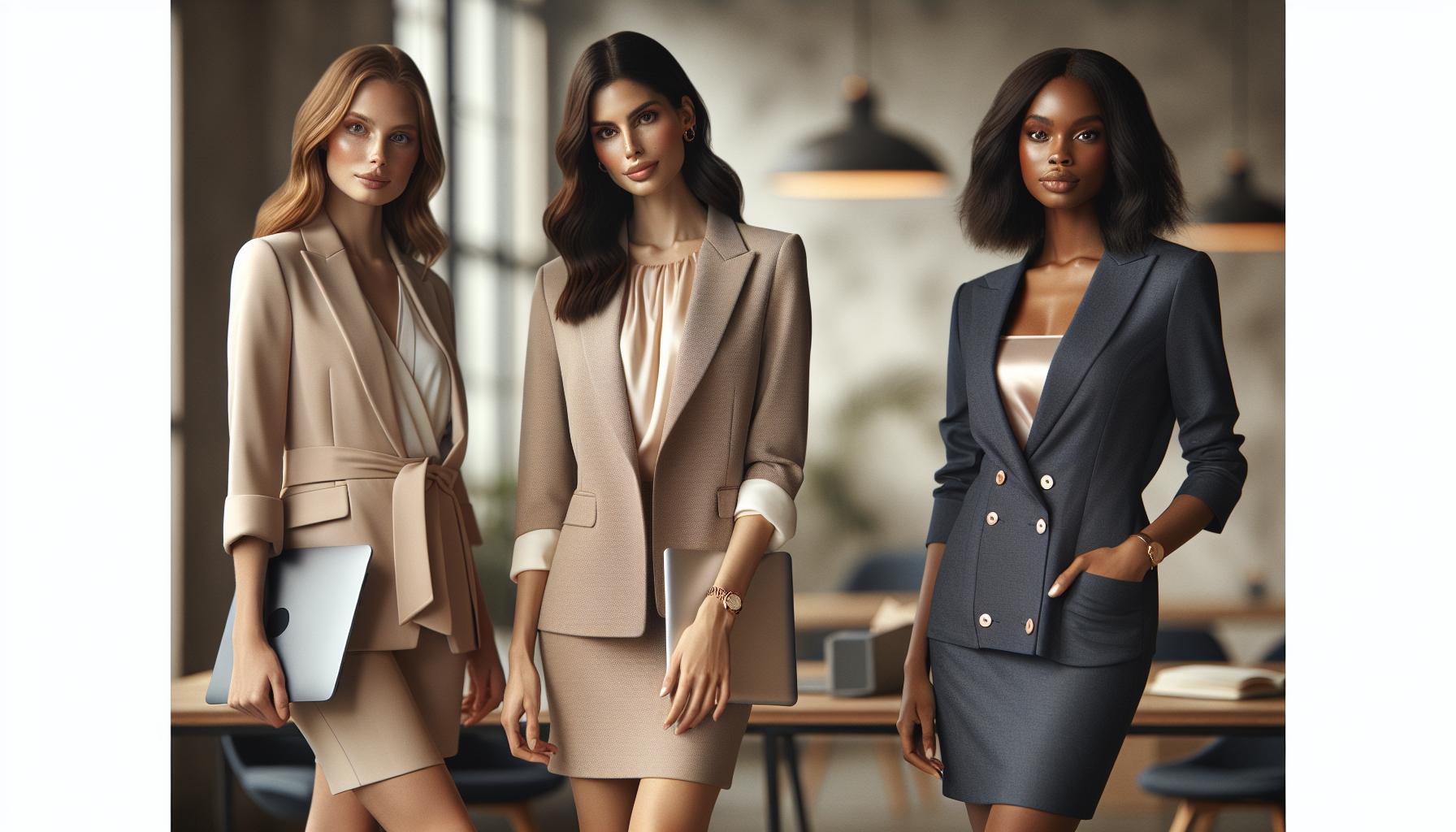
Popular Business Formal Attire Styles for Women
Daring to make a statement while adhering to professional standards is the hallmark of popular business formal attire for women. These styles not only reflect the corporate culture but also allow you to express your personal style within a framework of sophistication and respectability.
A quintessential option in business formal attire is the suit, which often consists of tailored trousers or a skirt paired with a matching blazer. The classic pantsuit, especially in darker colors like navy or black, remains a go-to choice for many women, as it effortlessly combines authority and style. For those who prefer skirts, a pencil skirt that falls just below the knee paired with a fitted blazer presents a polished look that flatters various body types. Complementing these pieces with a professional blouse-either a crisp button-down or a silk top-can enhance the overall elegance.
Dress Styles
Another popular choice is the suit dress, which merges the fitted nature of traditional suits with the femininity of dresses. This option is not only stylish but also promotes ease of movement and comfort. The ideal suit dress should maintain a professional silhouette while adhering to length standards-typically knee-length or longer-to align with formal attire expectations.
Footwear & Outerwear
Footwear can significantly elevate your business formal outfit. Closed-toe pumps in neutral tones are timeless and appropriate, while loafers can provide a comfortable yet chic alternative. As the seasons change, the addition of a tailored overcoat or classic trench can also contribute to a fully coordinated look, offering both warmth and sophistication.
When selecting accessories, choose items like statement watches or subtle jewelry that can add a touch of individuality without overwhelming the professional aesthetic. A structured handbag complements the outfit, serving not just a functional purpose but also contributing to the overall polished appearance.
In conclusion, embracing a variety of styles-be it tailored suits, suit dresses, or chic footwear-is pivotal in creating a versatile and professional wardrobe. These essential pieces can be mixed and matched, allowing for an efficient yet stylish approach to business formal attire.
How to Accessorize Business Formal Outfits
To truly elevate business formal outfits, the right accessories can make all the difference. Accessories should enhance your overall appearance without overwhelming your look, allowing you to express your individual style while maintaining professionalism. A well-considered selection of accessories not only complements your attire but also demonstrates attention to detail and a sense of polish.
Jewelry
When choosing jewelry, simplicity is key. Aim for a few key pieces that add elegance rather than distraction. Consider classic options like stud earrings or small hoop earrings, which provide a refined touch. A delicate necklace or a simple bracelet can add subtle sophistication. Avoid overly flashy or large pieces; instead, opt for jewelry that blends seamlessly with your outfit. For an added pop, a statement watch can convey professionalism while integrating practicality into your look.
Bags
A structured handbag is an essential accessory for any business formal attire. This not only serves a functional purpose but also conveys an image of organization and professionalism. Look for a bag in a classic color that complements your outfit, such as black, navy, or beige. If carrying a laptop or documents, consider a chic tote that remains stylish while accommodating necessities. Ensure that the bag is in good condition-scuffed or worn bags can undermine an otherwise polished appearance.
Scarves and Belts
Incorporating a silk scarf can be a versatile way to add a touch of personality to your outfit. Whether tied around your neck, draped over your shoulder, or attached to your handbag, a scarf can serve as a stylish yet professional accent. Additionally, a well-fitted belt can enhance your silhouette, particularly when wearing blazers or dresses, pulling your outfit together and adding a tailored look. Choose belts in neutral shades or understated patterns to align with a business formal setting.
Footwear
Don’t overlook the impact of footwear on your overall presentation. Closed-toe pumps or loafers in a matching tone are ideal, ensuring comfort while maintaining a professional appearance. Shoes with minimal embellishments not only stand the test of time but also ensure legibility with various outfits. Ensure that your shoes are polished and in good condition, as scuffed footwear can detract from the professionalism of your outfit.
In conclusion, the right accessories can transform basic business formal attire into an ensemble that reflects both professionalism and personal style. By focusing on subtlety and quality, you create a cohesive look that commands respect and attention in any professional environment.
Common Mistakes to Avoid in Formal Attire
Navigating the world of business formal attire can be challenging, and avoiding common pitfalls is crucial for making a positive impression. One significant mistake many women make is selecting outfits that are either too casual or excessively extravagant for a professional environment. It’s important to understand the boundaries of business formal wear, which typically calls for tailored suits, blouses, and conservative dresses. Opting for overly trendy pieces or clothing that reveals too much skin can distract from professionalism and diminish your credibility.
Fabric Choices
Another frequent misstep involves fabric selection. Shiny, sheer, or overly stretchy materials might appear inappropriate in a formal setting. Instead, focus on classic fabrics such as wool, silk, or high-quality cotton, which offer a polished look while being comfortable for a full day at work. Attention should also be given to the quality of the clothing. Buying lower-quality pieces may save money upfront but often results in a less professional appearance and shorter lifespan of the garments.
Fit Matters
Fit plays an integral role in presenting a professional image. Wearing clothing that is either too tight or too loose can undermine an otherwise sophisticated look. Be cautious of garments that do not flatter your body shape or allow for comfortable movement. Investing in tailoring can significantly enhance the fit of your business attire, ensuring that your clothes enhance your figure rather than detract from it.
Accessorial Errors
Additionally, overloading on accessories can easily detract from the professionalism of your outfit. The goal is to enhance your attire with understated jewelry and appropriate footwear. Excessive bling or whimsical accessories can send the wrong message and divert attention from your overall professionalism. Always ensure that your choices are subtle and cohesive with your overall look.
In summary, being aware of these common mistakes helps refine your approach to business formal attire, allowing for a polished, confident presence in any professional setting. Focus on suitable garment selection, appropriate fit, and tasteful accessories to project the ideal professional image.
Seasonal Considerations for Women’s Formal Wear
Choosing the right attire for various seasons while maintaining a business formal look requires careful consideration. As weather conditions fluctuate, fabrics, layering techniques, and color palettes should evolve to suit not only the climate but also the level of professionalism one seeks to project. Understanding these seasonal differences can enhance your overall appearance and comfort throughout the year, ensuring you always make a strong impression in business settings.
Winter Wear
In colder months, the foundation of your business formal attire can incorporate heavier fabrics such as wool or cashmere. These materials provide warmth while maintaining a polished appearance. Consider pairing tailored trousers or a skirt with a structured blazer. Layering is key, so incorporating turtlenecks or fine-knit sweaters beneath blazers can offer both style and warmth. Colors can shift towards darker tones like navy, black, or deep burgundy, which resonate well with the season’s aesthetic. Don’t forget a refined coat; tailored outerwear like a wool trench or pea coat can complete your look and provide necessary insulation against the cold.
Spring and Summer Styles
As temperatures rise, fabrics should transition to lighter materials such as cotton, linen, or lightweight blends that breathe more easily. Opt for lighter colors to reflect the season-think pastels or soft hues that promote a fresh look appropriate for spring and summer settings. Dress options can vary widely from pencil skirts to tailored capris or dresses in breathable fabrics. For warmer days, short-sleeved blouses paired with blazers can maintain a professional appearance without compromising comfort. Footwear options should also reflect the season, with open-toe shoes or stylish loafers that align with business formal standards.
Practical Tips for Seasonal Transition
Regardless of the season, keeping a few staple pieces that are suitable for layering can be a game changer. Items such as blazers, tailored dresses, and classic pencil skirts can often transition across different seasons with minor adjustments. Investing in versatile pieces that can mix and match effectively within your wardrobe will help in building a cohesive, polished appearance year-round.
Accessories and Seasonal Trends
Seasonal accessories can also elevate your business formal look. In winter, consider adding a silk scarf for a touch of sophistication, while in summer, delicate jewelry can accentuate your features without appearing overly extravagant. Always consider practicality; choose footwear that complements your overall look while remaining comfortable for day-long wear, particularly in warmer months when open-toe options may be preferable. By being mindful of seasonal changes in both fabric and style, you can navigate the business formal landscape with confidence, ensuring that your wardrobe continually reflects professionalism and poise.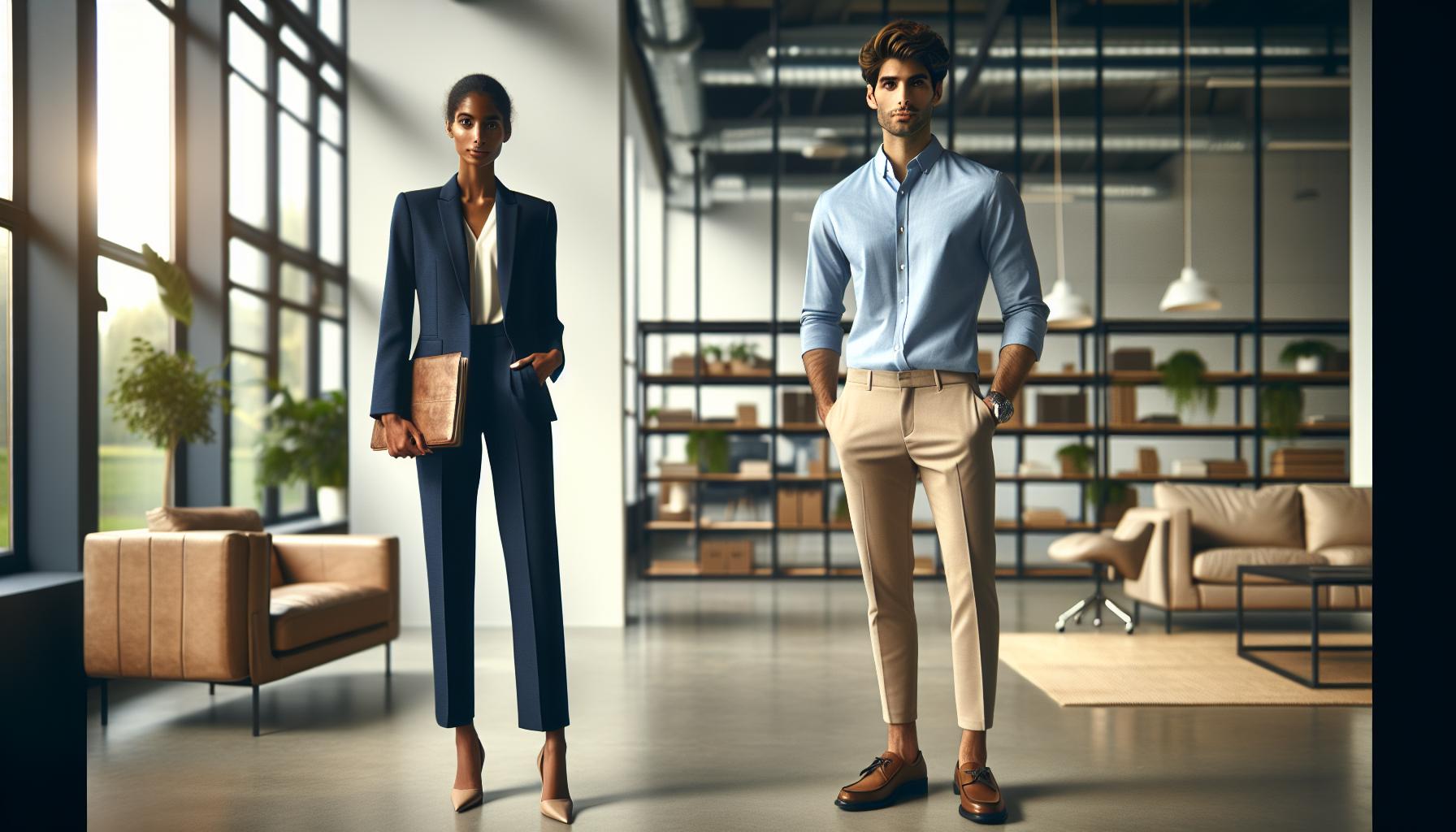
Dress Codes Explained: Business Formal vs. Business Casual
Understanding the nuances between business formal and business casual is essential for women aiming to navigate professional environments. While both dress codes convey professionalism, they differ significantly in terms of fabric, fit, and formality. Business formal attire typically requires tailored garments that project authority and sophistication, such as blazers, tailored pants, and classic dresses in high-quality fabrics. For example, a structured blazer paired with a pencil skirt and closed-toe pumps encapsulates the essence of business formal while allowing room for individual flair through color or accessories.
On the other hand, business casual provides a more relaxed and comfortable approach without sacrificing professionalism. Women might opt for smart trousers, blouses, and even stylish flats or loafers. Business casual attire welcomes lighter colors and patterns that can soften the strict lines of formal wear, making it more approachable for day-to-day office interactions. For instance, a tailored pair of chinos combined with a fitted, patterned blouse strikes an ideal balance of style and ease, suitable for a less formal office setting.
Key Differences
Understanding the distinct elements of each dress code is crucial for appropriate attire selection:
- Formality: Business formal typically involves more structured and conservative pieces, while business casual allows for a broader range of styles and fits.
- Fabrics: Business formal favors heavier materials like wool or silk, whereas business casual often includes lighter fabrics such as cotton or blends, promoting breathability and comfort.
- Accessories: In business formal, accessories tend to be minimal and understated, such as classic jewelry or sleek belts. Business casual may incorporate bolder, more vibrant accessories that convey personality.
It’s vital to adapt to the expectations of your specific workplace, as some companies may blur the lines between these dress codes. Knowing when to dress more formally can enhance your professional presence and foster a strong first impression, while successfully navigating the casual setting cultivates approachability and a friendly workplace atmosphere. Understanding the context-whether it is an important meeting or a regular office day-will empower you to make informed choices aligning with your role and environment.
Tips for Building a Versatile Formal Wardrobe
Building a versatile formal wardrobe is essential for any woman aiming to navigate the professional world with confidence and style. The foundation of such a wardrobe should prioritize timeless pieces that can be mixed and matched to create a multitude of outfits suitable for various formal occasions. For instance, investing in a high-quality blazer can offer endless possibilities; it can elevate a simple blouse and pencil skirt combo for a meeting or be paired with tailored trousers for a polished, yet comfortable look that transitions seamlessly from the office to after-work events.
When assembling your core wardrobe, focus on essential items that provide flexibility. This includes classic color choices like black, navy, and gray, which can serve as a neutral backdrop for brighter accessories or patterned tops. Aim for high-quality fabrics that hold their shape and resist wrinkling throughout long days. Investing in tailored pieces is key; garments that fit well not only enhance your overall appearance but also boost your confidence.
To further expand versatility, consider including items like a knee-length sheath dress or a wrap dress, both of which can be dressed up or down with the right accessories. Smart shoes-such as a pair of pointed-toe heels and a stylish pair of flats-are also crucial for transitioning between different contexts while maintaining professionalism. Additionally, introducing a selection of simple, chic accessories can dramatically change the vibe of your outfit; a statement necklace or a silk scarf can add personality without overpowering your formal attire.
Lastly, to keep your wardrobe fresh and adaptable, regularly evaluate your clothing choices based on the current trends and your personal style evolution. This practice helps ensure that your formal wardrobe not only serves functional purposes but also reflects your professional identity and aspirations.
Cost-Effective Options for Business Formal Clothing
Building a professional wardrobe doesn’t have to break the bank. With a strategic approach to shopping and a keen eye for versatile pieces, you can find cost-effective options that enhance your business formal attire without sacrificing quality. It’s possible to look polished and well put-together while being mindful of your budget.
Begin by exploring outlets and discount retailers, where you can find high-quality garments at reduced prices. Brands known for their business wear often have outlet stores or sales sections on their websites. Take advantage of seasonal sales, especially during clearance events at the end of fashion seasons, to stock up on dresses, blazers, and trousers that can serve multiple purposes throughout the year. For instance, a tailored blazer can be paired with both a pencil skirt for formal meetings and with tailored jeans for a more relaxed work environment.
Additionally, consider thrift stores and online second-hand marketplaces. These platforms can be treasure troves for gently used, high-end clothing that fits the business formal criteria. Look for key pieces such as well-fitting blouses, classic pumps, and structured handbags. Not only will shopping second-hand save you money, but it can also offer unique items that set your style apart from the typical office look.
Another practical approach is to prioritize investing in a few key high-quality staples rather than filling your wardrobe with cheaper alternatives. For example, a well-constructed sheath dress in a neutral color can be accessorized in various ways to create different looks, ensuring that you get the most wear out of every piece. You could rotate accessories like scarves, statement jewelry, or belts to refresh your outfits while keeping your investment minimal.
Lastly, don’t underestimate the potential of simple alterations. Buying slightly larger or less-than-perfect-fitting pieces and then customizing them can be a cost-effective way to achieve a tailored look. Basic alterations, such as hemming trousers or adjusting waistlines, can transform basic garments into polished attire. By following these tips, you can cultivate a versatile and professional formal wardrobe without overspending.
The Importance of Fit in Business Formal Attire
The fit of your clothing plays a crucial role in the overall impact of your business formal attire. A well-fitted outfit not only enhances your appearance but also boosts your confidence, creating a powerful first impression in professional settings. When garments are tailored to your body shape, they convey a sense of professionalism and attention to detail, which is vital in business environments.
Visual Appeal and Comfort
Fit is not solely about aesthetics; it also influences comfort and mobility. A perfectly fitted blazer should allow for ease of movement when you reach for documents or engage in conversations, while pencil skirts should not restrict your stride. To ensure your attire enhances rather than hinders your performance, consider having your essentials tailored. Even small adjustments, like altering sleeve lengths or pant hems, can drastically improve how clothing looks and feels on you.
Key Areas to Focus On
- Shoulders: The shoulder seam of a blazer should align with your actual shoulder. If it hangs off your shoulder, it can appear sloppy.
- Waist: A tailored waist enhances the silhouette of women’s blazers and dresses. A cinched waist adds definition and sophistication to your look.
- Length: Hemlines for skirts and dresses should be appropriate for the workplace. Typically, business formal attire should be knee-length or below. Ensure pants graze the tops of your shoes, neither dragging nor appearing overly cropped.
Investing in a few key pieces with the right fit is essential for curating a versatile business attire wardrobe. Fabrics that have some stretch can offer a more accommodating fit, preventing the discomfort that comes from restricted movement. Remember, a well-fitted outfit can transform an ordinary piece into a standout ensemble, showcasing both your style and professionalism in any business setting.
Inspiration from Professional Women in Business
In the competitive world of business, the attire worn can significantly influence perceptions of professionalism and authority. Many successful women have crafted their unique styles that combine elegance and assertiveness, embodying the essence of business formal attire while making impactful personal statements. Observing these influential figures not only provides inspiration but also offers practical insights into how to navigate and excel in various professional settings with the right attire.
One exemplary figure is Sheryl Sandberg, former COO of Facebook, who often advocates for blending traditional styles with modern twists. Her preference for tailored blazers paired with form-fitting dresses or pencil skirts reflects a classic yet contemporary approach to business attire. This combination not only conveys confidence but also ensures comfort while maintaining a polished look. Women can take cues from her, opting for versatile pieces that allow for easy transitions from meeting rooms to networking events.
Another powerful inspiration comes from Michelle Obama, whose fashion choices have always resonated with messages of empowerment. She often showcases how accessories can elevate business outfits, such as using statement necklaces or structured handbags to enhance simple blouses and skirts. This demonstrates that incorporating bold elements into a business formal wardrobe can create visual interest while remaining professional. Women can apply this by carefully selecting accessories that complement their outfits and express individuality without compromising professionalism.
Furthermore, the fashion sense of leaders like Indra Nooyi, former CEO of PepsiCo, is a testament to the influence of color and pattern in business formal wear. Nooyi frequently wore vibrant colors and striking patterns that exuded positivity and approachability. Women can learn from her approach by choosing color palettes and prints that reflect their personalities, making them memorable in corporate settings while still adhering to the business formal code.
Ultimately, drawing inspiration from these prominent women emphasizes that business formal attire should not only adhere to rules but also reflect one’s identity. By blending tailored silhouettes, thoughtful accessories, and personal style elements, women can craft a business wardrobe that not only meets professional standards but also enhances their confidence and presence in the workplace.
FAQ
Q: What should I wear for a business formal interview as a woman?
A: For a business formal interview, women should opt for a tailored suit in a dark color, such as navy or black. A classic skirt suit or tailored trousers paired with a professional blouse is also appropriate. Ensure that shoes are polished and suitable for a corporate environment.
Q: Are skirts acceptable in business formal attire for women?
A: Yes, skirts are acceptable in business formal attire for women. Choose a knee-length or slightly above knee-length pencil skirt made from high-quality fabric. Pair it with a fitted blazer and a conservative blouse for a polished look.
Q: How can I style my hair for business formal attire?
A: For business formal looks, opt for clean and professional hairstyles. Consider an elegant updo, a neat bun, or sleek straight hair. Avoid overly casual styles; ensure your hair is well-groomed and maintains a professional appearance.
Q: What colors are best for women’s business formal attire?
A: Best colors for women’s business formal attire include conservative tones such as black, navy, gray, and dark green. You can also incorporate muted shades like beige or cream for blouses or accessories to add a touch of personal style while keeping it professional.
Q: Should I wear accessories with my business formal attire?
A: Yes, subtle accessories can enhance business formal attire. Consider wearing simple stud earrings, a classic watch, or a professional handbag. Avoid bulky pieces; ensure your accessories complement your outfit without distracting from its professionalism.
Q: Is it necessary to wear heels with business formal attire?
A: While heels are commonly associated with business formal attire, they are not mandatory. Opt for closed-toe pumps or stylish flats that maintain a formal appearance. Ensure whichever footwear you choose is comfortable and suitable for a professional environment.
Q: What’s the importance of fit in business formal attire for women?
A: The fit of business formal attire is crucial as it directly influences your professional appearance. Well-fitted clothing projects confidence and competence. Ensure your garments are tailored to your body shape, avoiding overly loose or tight outfits for the best look.
Q: How should I care for business formal clothing?
A: Caring for business formal clothing entails regular dry cleaning, steaming to remove wrinkles, and proper storage. Use hangers for suits and skirts to maintain shape. For blouses, store them in a way that prevents creasing and preserves their quality.
To Conclude
As we wrap up our exploration of business formal attire for women, remember that the right outfit can significantly boost your confidence and professional presence. From tailored suits to elegant accessories, understanding and adhering to these style rules positions you for success in any professional setting. Don’t wait to elevate your wardrobe-start implementing these tips today and make a lasting impression!
For further insights, check out our articles on business professional attire and business casual guidelines. If you have questions or want to share your thoughts, leave a comment below! Sign up for our newsletter to stay updated with the latest tips and trends in professional attire. Your next style upgrade is just a click away!