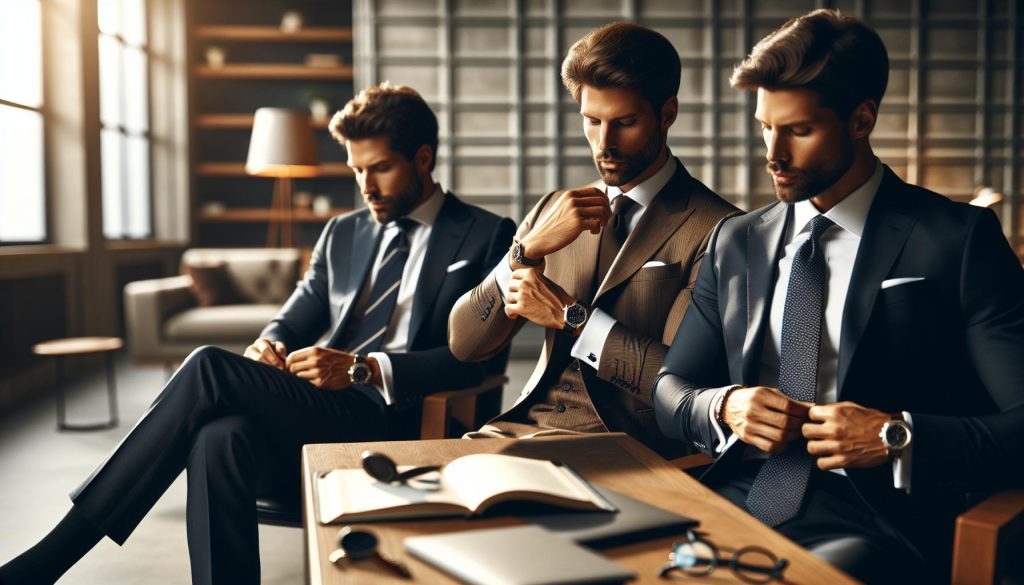
In today’s competitive corporate landscape, how you present yourself can significantly impact career advancement and professional relationships. Understanding the nuances of business formal dress code for men is essential for making the right impression in high-stakes environments, such as interviews, meetings, and networking events. Business formal attire typically requires a tailored suit, polished shoes, and carefully chosen accessories, projecting authority and professionalism. This guide will explore the key elements of business formal dress for men, offering practical tips and insights to help you navigate this essential aspect of professional life with confidence. Whether you’re stepping into a boardroom or attending a corporate gala, mastering this dress code can enhance your credibility and boost your self-assurance. Keep reading to discover how to elevate your professional wardrobe and ensure you’re always dressed for success.
What is Business Formal Dress Code for Men?
In the world of business, first impressions matter, and adherence to a business formal dress code is crucial for men who want to project professionalism and competence. Business formal is characterized by its elegance and refinement, creating an image of authority and trustworthiness. Typically, this attire includes a tailored suit, which may be dark in color, paired with a crisp dress shirt. A tie is also essential, emphasizing seriousness and attention to detail. Footwear should be polished dress shoes, ideally in black or dark brown, to complete the look.
Men’s business formal attire often leans towards classic styles; therefore, it is vital to select well-fitting garments that highlight the individual’s physique. A jacket with appropriate structure on the shoulders and a close fit at the waist conveys professionalism, while trousers that sit just right without being overly tight or loose ensure comfort throughout the day. The color palette generally includes darker tones; navy, charcoal, and black are all safe choices, projecting authority and elegance. Lighter tones can also work but should always be contrasted with darker accessories to maintain formality.
Key Elements of Business Formal Attire
- Suit: A well-fitted, dark, single-breasted suit is preferred.
- Shirt: A crisp, clean, long-sleeved dress shirt, preferably white or light blue.
- Tie: A conservative tie, often in solid colors or subtle patterns.
- Shoes: Polished oxfords or loafers in black or dark brown.
- Accessories: A formal watch and a leather belt that matches shoe color.
Overall, understanding and implementing the business formal dress code for men helps in creating a positive impression in professional settings. The confidence gained from knowing you are dressed appropriately can enhance performance and foster better interpersonal interactions in the workplace.
Key Elements of Business Formal Attire
In the realm of business formal attire for men, the key to making a lasting impression lies in the details of your outfit. Each element-from the suit to the accessories-serves a specific purpose in conveying professionalism, attention to detail, and personal style. Selecting the right components can not only enhance your appearance but also boost your confidence as you navigate various professional environments.
A high-quality suit is the cornerstone of business formal attire. Typically, a single-breasted suit that is well-fitted and in a dark color such as navy, charcoal, or black is ideal. The suit’s cut should complement your body shape, offering a tailored silhouette without being overly tight. Under this, a crisp, long-sleeved dress shirt, preferably in white or light blue, provides a fresh and polished look. When choosing a tie, opt for conservative patterns and colors that align with the suit, as this will maintain the overall formal appearance.
Footwear plays a vital role in tying the entire ensemble together. Polished dress shoes, particularly oxfords or loafers in black or dark brown, are essential, as they not only complete the outfit but also highlight attention to detail. Pay attention to accessories as well-styling your outfit with a formal watch and a leather belt that matches your shoe color can create a cohesive appearance. Each of these elements contributes to the aura of sophistication and professionalism that defines business formal attire.
In summary, incorporating the right key elements into your business formal outfit is crucial. Focus on a well-fitted suit, a clean dress shirt, an appropriate tie, polished shoes, and matching accessories. This attention to detail signals your commitment to professionalism and can significantly enhance how you’re perceived in the workplace.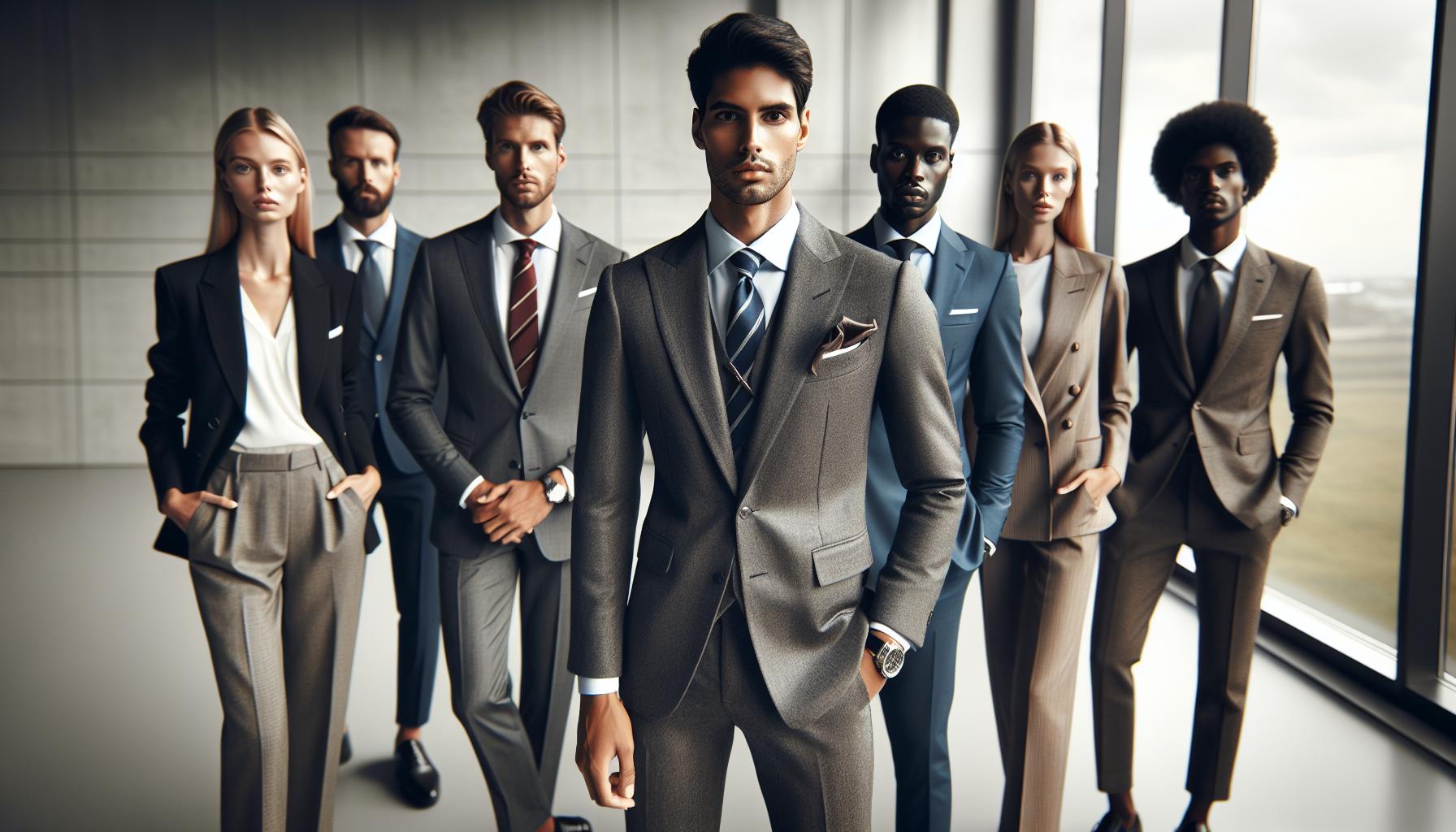
Essential Accessories for a Polished Look
To elevate your business formal attire, accessories play a crucial role in achieving a polished and professional look. These small details not only enhance your outfit but also contribute to an overall impression of sophistication and confidence. Selecting the right accessories is essential, and the following elements are key to achieving a refined appearance.
Key Accessories for Business Formal Attire
- Watches: A classic watch can serve as both a functional and stylish addition to your outfit. Opt for a minimalist design with a metal or leather strap that complements your suit. Avoid overly flashy or casual designs, as simplicity reflects professionalism.
- Ties: The tie you choose should resonate with the overall tone of your outfit. Solid colors or subtle patterns work best for a business formal setting. Ensure the tie is well-tied and reaches just above your belt line, maintaining a clean look.
- Belt: A leather belt that matches your shoes is vital. This attention to detail unifies your appearance, making the outfit seem well thought out. A simple, classic buckle adds to the sophistication.
- Pocket Squares: Adding a pocket square can elevate your suit jacket, providing a dash of color or texture. Ensure it complements your tie rather than matches it precisely, allowing for a more dynamic visual appeal.
- Cufflinks: Cufflinks can be an excellent way to demonstrate your sense of style. Choose understated designs that reflect your personality while remaining appropriate for professional settings.
Each of these accessories not only enhances your style but also communicates an attention to detail that is essential in a business environment. When accessorizing, remember that less is often more; a few well-chosen items will serve you better than an abundance that might detract from your overall presentation. By carefully selecting accessories, you can create a polished and professional look that makes a lasting impression in any formal business setting.
Color Choices: What Works Best in Business
Choosing the right colors for business formal attire is crucial not only for projecting professionalism but also for influencing how you are perceived in the workplace. The psychological impact of colors can affect everything from the initial impression you make to how others perceive your confidence and authority. Therefore, understanding color choices is essential for any man looking to navigate the business formal landscape effectively.
A classic palette for business formal wear typically includes navy, charcoal, and black as foundational colors for suits. These shades convey reliability and professionalism. For instance, a navy suit is particularly versatile; it can be dressed up with a lighter shirt and tie for daytime meetings or paired with darker tones for evening events. Similarly, charcoal gray is often viewed as a sophisticated alternative that exudes authority without the starkness of black, which can sometimes feel overly formal. Incorporating white or light blue shirts works well with these suit colors, offering a crisp contrast that enhances the overall appearance.
When considering ties and accessories, solid colors or subtle patterns are preferable to bold designs, as they maintain the formal aesthetic. Burgundy or deep green ties can add a touch of personality without straying from professionalism. Additionally, while incorporating accessories like pocket squares, it’s best to choose colors that either complement or slightly contrast the tie, as this will maintain a cohesive look without overwhelming other elements of your outfit.
In terms of color choices, there are also some cultural considerations to keep in mind. For instance, in certain industries or regions, more conservative colors might be expected, while creative fields may allow for more vibrant choices. This means understanding your specific industry’s culture and aligning your color choices accordingly. Ultimately, by selecting a color scheme that combines classic hues with thoughtful accents, you can ensure that your business formal attire not only meets expectations but also projects an image of confidence and competence.
Fabric Types and Their Professional Impression
Choosing the right fabric for business formal attire can significantly influence the impression you project in professional settings. The texture, weight, and appearance of the fabric not only affect your comfort but also communicate your attention to detail and understanding of the occasion. Opting for high-quality materials can elevate your overall look, helping you to effortlessly exude professionalism and confidence.
Common Fabric Types
The choice of fabric is paramount in business formal attire. Here are some widely accepted s:
- Wool: This is the gold standard for business suits. Its natural elasticity ensures a great fit while providing warmth in cooler climates. Wool suits often possess a refined drape that lends an air of sophistication and can be worn year-round.
- Cashmere: Known for its luxurious feel and softness, cashmere blends are typically used for high-end suits and outerwear. It communicates elegance but may be less durable than pure wool, making it ideal for occasions where you want to make a striking impression.
- Cotton: While typically associated with more casual wear, a high-quality cotton suit can also work for business formal settings, especially in warmer weather. It tends to be breathable and offers comfort, although it may wrinkle more easily than wool.
- Linen: This fabric is highly breathable and perfect for summer events. However, its tendency to wrinkle can make it less suitable for strictly formal occasions unless it’s blended with other fabrics to improve structure.
- Polyester and Blends: Various synthetic blends offer affordability and durability while being wrinkle-resistant. However, they may lack the breathability and luxury feel of natural fibers, which can be a consideration based on the formality of the event.
Choosing the Right Weight
The weight of the fabric is another critical aspect that can affect your appearance and comfort. A lightweight fabric (around 7-8 oz) is suitable for summer or warmer climates, providing breathability, while medium to heavy weights (10-12 oz) are often preferred for colder months, giving a structured and polished look.
Selecting the appropriate fabric type and weight not only ensures comfort but also projects an image of professionalism. For instance, during critical business meetings, a tailored wool suit can project authority, while a cotton or linen option might be appropriate for summer networking events. By thoughtfully considering fabric choices, you enhance your business formal wardrobe and influence the overall perception of your professional presence.
The Importance of Fit in Business Attire
The right fit is the cornerstone of impeccable business formal attire. A well-fitted suit not only elevates your appearance but also instills confidence and conveys seriousness about your professional image. When clothing hangs awkwardly or is too tight, it can distract from your message-both verbally and non-verbally. Whether you’re heading into a high-stakes meeting or networking at an industry event, ensuring that each item fits perfectly is essential for making the right impression.
A suit typically comes in various cuts-slim, regular, and tailored-that influence how it projects on your body. For instance, a slim-fit suit is best suited for those with a leaner physique, while a regular fit offers more room without being baggy, ideal for a more classic approach. Tailored options can be adjusted to highlight your shape appropriately, emphasizing the shoulders and tapering at the waist. When you find a suit that complements your physique, you not only look more polished but also feel more at ease, which can significantly enhance your presence and communication style.
Key areas to focus on include the shoulders, chest, waist, and sleeves. The shoulders should align with your natural shoulder line, while the chest space should provide comfort without strain. A suit’s jacket should close effortlessly, offering a smooth silhouette. Additionally, the armholes should allow for movement; tight armholes can reduce mobility, impacting your comfort during prolonged wear. As for sleeve length, a well-fitted suit should reveal about a quarter to half an inch of your shirt cuffs when your arms are at your side.
Incorporating these fitting principles can significantly transform your wardrobe. Avoid relying solely on off-the-rack options; instead, consider tailoring your suits for a more refined and bespoke look. Local tailors can adjust hems, side seams, and sleeve lengths to ensure that every piece that adorns your body contributes to a seamless and professional appearance. Ultimately, cannot be overstated; it is a vital aspect that influences not just your aesthetic but also the confidence with which you present yourself in the professional world.
Common Mistakes to Avoid with Formal Wear
Dressing for success is not just a matter of style; it directly impacts how you perceive yourself and how others perceive you in a professional setting. However, navigating the nuances of formal wear can be tricky, and even a few missteps can detract from an otherwise polished image. Understanding and avoiding common mistakes associated with business formal attire is essential for making a lasting impression.
One of the most prevalent errors is neglecting the fit of clothing. Even the most expensive suit can look unprofessional if it doesn’t fit properly. It’s crucial to pay attention to how jackets should properly sit on your shoulders and how trousers should fit around the waist and lengthwise. If necessary, invest in tailoring to achieve that perfect fit. Baggy pants or overly tight jackets can be distracting and may give the impression of a lack of attention to detail.
Another frequent oversight is the decision to forego appropriate footwear. Business formal attire generally necessitates polished shoes, such as Oxfords or brogues, that complement the suit. Casual or scuffed footwear can significantly undermine a sophisticated outfit. Furthermore, ensure that shoes are clean and in good repair to maintain an overall polished appearance.
Additionally, some professionals may overlook the importance of accessories, opting for either too many or too few. A well-chosen watch or a tasteful tie can enhance your overall look, while excessive jewelry can divert attention away from your professionalism. Aim for a balanced approach: select classic accessories that highlight your attire without overpowering it.
Finally, failing to consider context is a critical mistake. Different industries and organizations have varying standards for business formal attire. Researching the dress code of your specific workplace can help tailor your choices appropriately. From subtle differences like fabric choice to more pronounced distinctions in color or style, acknowledging these variations can ensure you present yourself in alignment with your audience.
By steering clear of these common pitfalls-fit, footwear, accessory overkill, and context-you can enhance your professional appearance and project the right image in any business formal setting.
Cultural Considerations in Business Dress Codes
Understanding the nuances of is crucial for making the right impression in a professional environment. Business formal attire can vary significantly across different cultures, and failing to acknowledge these differences can lead to uncomfortable situations or misinterpretations. For instance, in Western cultures, a dark-colored suit paired with a tie is often the standard. However, in many Asian cultures, being more conservative and modest in clothing can take precedence, even within a business formal context.
When navigating cultural dress codes, it is essential to consider factors such as local customs, religious beliefs, and even climatic influences. Some cultures may prioritize traditional garments integrated with modern formal attire. For instance, a business formal look in India might incorporate elements like a kurta or sherwani paired with tailored trousers for men, reflecting both professionalism and cultural heritage. In contrast, Scandinavian countries may lean towards minimalist designs and breathable fabrics to adapt to their climate while still encapsulating a formal look.
To effectively adapt to these cultural differences, professionals should engage in research and networking. Attend seminars or workshops about cultural competency in the workplace, utilize resources like online forums, or connect with colleagues familiar with local customs. This proactive approach not only enhances personal understanding but also cultivates respect and inclusivity within diverse teams. Moreover, fostering this awareness helps ensure that professionals can dress appropriately for international meetings, ceremonies, or networking events without the risk of offending or appearing inattentive to local customs.
Ultimately, by approaching business formal dress codes with cultural sensitivity and awareness, individuals can navigate their professional landscapes more adeptly, ensuring that their attire aligns with both company expectations and cultural practices. This approach not only enhances professional image but also facilitates stronger interpersonal relationships in diverse working environments.
Transitioning Your Wardrobe for Different Occasions
Transitioning between different occasions while adhering to a business formal dress code requires an understanding of context, flexibility in wardrobe choices, and strategic accessorizing. Whether you’re moving from a corporate meeting to a networking event or attending a formal dinner, making a seamless transition involves not just changing clothes, but also adjusting your overall appearance to fit the setting.
Start with a versatile foundation. A well-tailored suit in a neutral color such as navy, charcoal, or black serves as a solid base for any business formal outfit. For instance, a classic white dress shirt can be paired with various ties or pocket squares to adapt your look. When transitioning from day to evening, simply swapping a solid color tie for one with a subtle pattern or adding a silk pocket square can elevate your ensemble without requiring a complete outfit change.
Key Accessories to Consider
Incorporating essential accessories distinguishes your look while maintaining professionalism. Some key items include:
- Shoes: Opt for polished leather shoes. A classic oxford or derby is appropriate for business settings, while a sleek loafer might be suitable for less formal engagements.
- Watches: A quality wristwatch adds a sophisticated touch while signaling good time management-a must-have in any professional setting.
- Belts: Ensure your belt matches your shoes to maintain visual consistency. A leather belt in black or brown works well with most suits.
As you transition throughout the day, be mindful of overall fit and comfort. A suit that is slightly tighter might become uncomfortable during long hours without the option for a quick adjustment. Consider incorporating garments designed for layering, such as a waistcoat, which adds a layer of professionalism and gives you more options if you need to adapt to a less formal environment.
Effective transitions also involve understanding the event or occasion you are attending. For formal dinners or conferences, you may stick to a more traditional style. However, for business networking events, a smart casual approach-where you can loosen up the formal elements a bit-might be more appropriate. In such cases, feel free to forgo the tie or unbutton the top button of your shirt.
Finally, always be prepared for the unexpected. Keep an extra tie or pocket square at your office, and if possible, invest in a travel garment bag to keep additional attire neat and ready for impromptu meetings or last-minute changes to your schedule. By planning ahead and being adaptable, becomes a seamless part of professional life, ensuring you always present yourself in the best light.
Dress Code Variations Across Industries
The nuances of business formal dress codes can differ widely across various industries, reflecting each sector’s unique culture and expectations. Understanding these variations is crucial not only for making a good impression but also for aligning oneself with organizational norms and values. For instance, while a corporate finance professional might adopt a very conservative approach with dark suits and subdued colors, a marketing executive in a tech startup may enjoy greater freedom to experiment with bolder colors and modern fits, all while maintaining an overall polished look.
In the legal field, where traditional norms are prevalent, men are expected to wear structured dark suits with ties, often in conservative patterns, such as stripes or solids. This strict adherence to formality underlines the profession’s emphasis on reliability and authority. Conversely, in the creative sectors such as advertising or design, the dress code can lean towards smart casual, allowing for a wider range of styles. Here, a tailored blazer paired with tailored trousers or fashionable shoes can convey professionalism while also showcasing individuality and creativity.
The tech industry presents yet another angle. Many tech companies encourage a relaxed and casual environment, allowing business formal dress codes to be reinterpreted. Here, you might see men in well-fitted chinos paired with blazers, eschewing ties altogether. This trend is often an intentional move to foster an innovative culture where traditional dress codes feel restrictive.
It’s also essential to be aware of the geographical location and the associated business etiquette. For example, firms based in metropolitan areas might expect a more polished appearance compared to those in smaller towns. Cultural considerations, such as the impact of global business interactions, also play a role. For example, in some Asian markets, business formal attire leans more towards the conservative, with lighter shades of suits becoming popular during warmer months while maintaining the structure expected in more traditional settings.
Ultimately, adapting your business formal attire to align with your industry’s dress code not only demonstrates professionalism but also a respect for its culture, creating a conducive environment for success.
Tips for Maintaining and Caring for Formal Wear
Taking care of your business formal attire is essential for maintaining a polished appearance and extending the life of your garments. Proper maintenance not only ensures that your clothing looks good but also reinforces the professional image you aim to project. With the right practices, you can save money and time while keeping your wardrobe in impeccable condition.
Cleaning and Storage Recommendations
One of the most crucial aspects of caring for formal wear is understanding the appropriate cleaning methods. Always check the care labels on your garments. Many suits and dress shirts require dry cleaning, while others can be washed gently at home. When opting for dry cleaning, avoid frequent trips; a good rule of thumb is to clean your suit after every 4-5 wears, unless it gets visibly dirty.
When storing your formal wear, use a high-quality, breathable garment bag to protect it from dust and moths. Always hang suits on padded hangers to maintain their shape, and never stuff them into cramped spaces. Proper storage helps prevent wrinkles and deterioration of fabric.
Regular Maintenance Practices
Perform routine inspections of your clothing for small issues before they escalate. Check for loose threads, missing buttons, and any signs of wear. Having a basic sewing kit can go a long way; reinforce buttons and close small rips promptly. Additionally, invest in a garment steamer or a good iron to keep your clothes wrinkle-free. Remember, a well-pressed suit and clean shoes are vital components of a formal outfit.
Footwear Care
It’s easy to overlook shoes, but they play a vital role in completing your business formal look. Regular polishing not only enhances their appearance but also protects the leather. Use a quality shoe polish that matches the color of your shoes and a soft cloth for application. Rotate your shoes to allow each pair to air out, reducing wear over time. Consider using cedar shoe trees to maintain their shape and absorb moisture.
By implementing these maintenance tips, you can ensure your business formal attire remains in excellent condition, ready to make a lasting impression whenever you need it. Investing time in caring for your clothing pays off in longevity and appearance, reinforcing your professionalism across various settings.
How to Build a Business Formal Capsule Wardrobe
Building a business formal capsule wardrobe is essential for any man aiming to present a professional image in corporate or formal environments. A well-curated wardrobe should include key pieces that can be mixed and matched to create numerous outfits, ensuring you always look polished without the stress of deciding what to wear each day.
Start with a versatile suit, ideally in classic colors like navy, charcoal, or black. This foundational piece can be your go-to outfit for interviews, meetings, or events. Pair it with a selection of dress shirts in various colors-white and light blue are staples, while subtle patterns like stripes can add personality without compromising professionalism. Opt for shirts made from high-quality materials, which will not only look better but also endure over time.
In addition to suits and shirts, invest in a few ties that complement your color palette. A selection of solid colors, as well as subdued patterns, ensures you are ready for any occasion. Dress shoes, also crucial, should be both aesthetic and comfortable; classic oxfords or brogues in black or brown leather can seamlessly transition from day to night. Don’t forget to include accessories such as a quality watch and a belt that matches your shoes to complete your look.
To ensure you maximize the potential of your capsule wardrobe, consider the importance of outerwear. A tailored overcoat or blazer adds a layer of sophistication and warmth for commuting, while a sleek messenger bag or briefcase provides practicality without sacrificing style. Finally, understanding the significance of fit is vital; even the finest clothing can look unkempt if it doesn’t fit well. When curating your business formal wardrobe, prioritize items that fit properly or invest in tailoring to make adjustments where necessary.
By thoughtfully selecting these key elements, you can create a business formal capsule wardrobe that will not only enhance your professional image but also make dressing for success a streamlined and enjoyable process.
FAQ
Q: What types of suits are appropriate for business formal dress code for men?
A: Appropriate suits for business formal attire include dark colors like navy, charcoal, or black. Opt for a well-fitted, two-piece suit, preferably in wool or a wool blend. Avoid flashy patterns; stick to subtle pinstripes or solid colors for a polished look.
Q: Are ties necessary in a business formal setting?
A: Yes, ties are typically necessary in a business formal setting. Choose a conservative tie that complements your suit. Classic colors and understated patterns ensure a professional appearance. To elevate your style, consider a silk tie for added sophistication.
Q: What shoes should men wear with business formal attire?
A: Men should wear polished leather dress shoes, such as oxfords or brogues, with business formal attire. Stick to classic colors like black or dark brown. Ensure that the shoes are well-maintained and shine for a professional impression.
Q: Can I wear a vest with business formal attire?
A: Yes, a vest can be an excellent addition to business formal attire. It adds layers and sophistication to your outfit. Ensure the vest matches your suit for a cohesive look, and avoid overly bold patterns or colors to maintain professionalism.
Q: What grooming practices are essential for business formal dress code?
A: Grooming is crucial in business formal settings. Ensure hair is neatly styled and facial hair is well-groomed. Maintain personal hygiene and consider wearing minimal, subtle cologne to avoid overwhelming scents. A polished appearance enhances your professionalism.
Q: How do I choose the right fit for a business formal suit?
A: Choosing the right fit is vital for business formal attire. Ensure that the shoulders and chest fit comfortably, with enough room to move. The sleeves should show a quarter to half an inch of shirt cuff. Trousers should fall just above your shoes for ideal length.
Q: What is the difference between business formal and business professional attire?
A: Business formal attire is typically more traditional and includes suits, ties, and formal shoes. Business professional, while still polished, may allow for more flexibility like business casual dress shirts and blazers without ties. Understanding the subtle differences ensures proper dressing for the occasion.
Q: Are there specific colors to avoid in business formal attire?
A: Yes, avoid overly bright colors like neon shades and distracting patterns in business formal attire. Stick with subdued hues such as dark blues, blacks, or greys that convey professionalism and maturity. Avoid casual colors, which may detract from the formal tone.
Closing Remarks
Mastering the business formal dress code for men is essential in showcasing professionalism and confidence, particularly in high-stakes environments. Remember, being well-dressed not only enhances your appearance but also positively impacts how others perceive your credibility and commitment. If you’re ready to elevate your wardrobe, explore our guide on Business Casual Attire for a more relaxed yet polished look, or check out insights on Dressing for Success to navigate various professional environments with ease.
Don’t let uncertainty hold you back-apply what you’ve learned today and make an impression next time you step into a formal setting. For more tailored advice or personal styling consultations, consider signing up for our newsletter, where you’ll receive the latest tips directly to your inbox. Share your thoughts or ask questions in the comments below; we love engaging with our readers! Embrace the power of great attire and take your professional image to the next level.