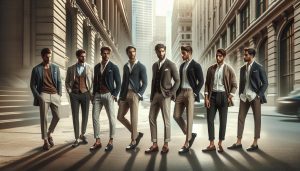
In today’s professional landscape, understanding business formal attire for men is crucial. Mastering this style not only enhances your personal brand but also influences how others perceive you in critical meetings and events. A well-thought-out approach to dressing formally can elevate your confidence and establish your credibility, reflecting your attention to detail and professionalism. This guide will walk you through the essential elements of business formal style, from choosing the right suits and ties to understanding the significance of accessories. Whether you’re preparing for an important presentation or aiming to impress at a networking event, this comprehensive style guide will equip you with the knowledge to navigate the complexities of business formal wear effortlessly. Explore the nuances of color, fabric, and fit, ensuring you make the right impression every time you step into a professional setting.
What Defines Business Formal Attire for Men?
Business formal attire for men is a polished, professional style that communicates competence and authority. It is typically required in high-stakes business environments such as corporate offices, law firms, and important client meetings. This dress code entails a clear understanding of the essential components that complete a sophisticated look, reflecting both professionalism and personal style.
The foundation of business formal attire is a well-fitted suit, usually in darker shades like navy, charcoal, or black. A single-breasted jacket is most common, complemented by flat-front trousers that match the jacket. Underneath, a crisp, light-colored dress shirt, preferably in white or light blue, adds clarity to the overall appearance. A necktie is essential-typically conservative in pattern and color-to enhance the suit’s elegance.
Key Components of Business Formal Attire
- Suits: Dark suits, ideally made from high-quality wool or wool blends.
- Shirts: Long-sleeved, button-down shirts in white or subtle colors.
- Ties: Silk ties in solid colors or discreet patterns.
- Footwear: Classic leather shoes, preferably in black or dark brown.
- Accessories: Minimalist watch, leather belts, and optional cufflinks.
Choosing appropriate fabrics plays a crucial role in achieving the right look for business formal attire. Opting for heavier, high-quality fabrics like wool or wool blends ensures a tailored appearance while maintaining comfort and durability. Lighter fabrics can also be suitable, especially in warmer climates, provided they maintain a structured silhouette.
The color palette for business formal attire should remain classic and understated. Dark shades convey authority and professionalism, while lighter shades can brighten the outfit without compromising formality. Accessorizing correctly, such as wearing a quality leather belt and classic cufflinks, further enhances the overall elegance of the business formal look.
Ultimately, the right fit is paramount. A well-tailored suit not only looks better but also boosts confidence. Regular fittings are advised to ensure that the suit stays in perfect condition. Tailoring alterations can make significant differences in how the clothing drapes and fits, ensuring that it looks custom-made for the wearer.
In summary, mastering business formal attire for men requires attention to detail, a focus on fit, and an understanding of classic styling principles that contribute to a professional image. The right selections reflect not only personal style but also respect for the business environment and its conventions.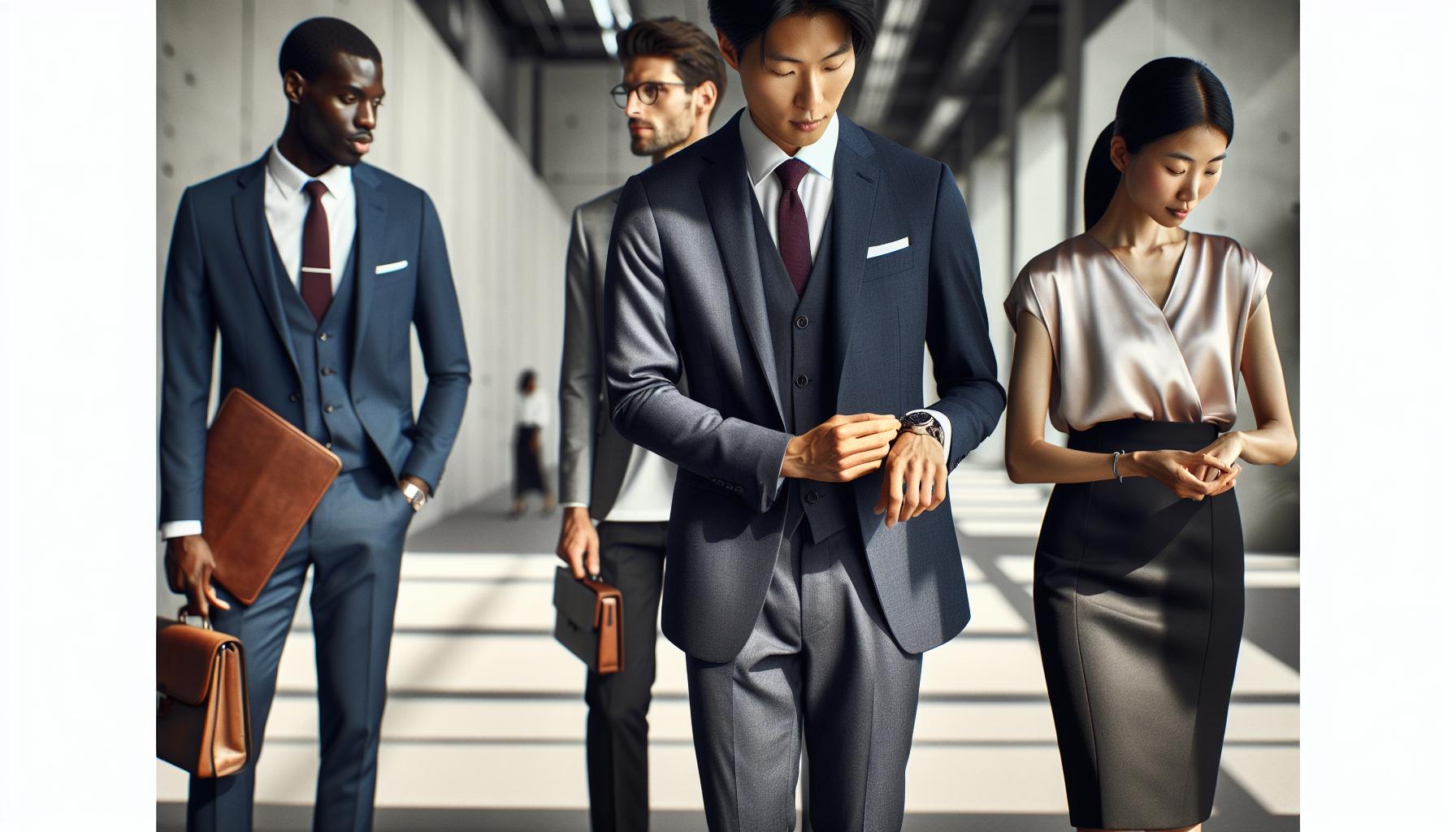
Key Components of a Business Formal Outfit
The essence of business formal attire hinges on its key components, which collectively create an impression of professionalism and sophistication. Each element, from the suit to the accessories, plays a vital role in defining a polished look that is not only suitable for formal settings but also speaks volumes about the wearer’s attention to detail and respect for the business environment.
A well-fitted suit is the cornerstone of any business formal outfit. Typically crafted from high-quality wool or wool blends, the suit should be in classic, darker shades like navy, charcoal, or black. This choice not only conveys authority but also allows versatility across various formal occasions. Opt for a single-breasted jacket that pairs well with flat-front trousers, ensuring the overall silhouette is tailored and flattering.
Key Components
- Suits: Dark, high-quality wool or blends.
- Shirts: Long-sleeved shirts in white or subtle hues.
- Ties: Silk ties in conservative patterns or solid colors.
- Footwear: Classic leather shoes in black or dark brown.
- Accessories: A minimalist watch, leather belt, and optional cufflinks.
Underneath the jacket, a crisp button-down shirt is essential, preferably in white or soft pastels. This adds contrast and clarity to the overall appearance. When selecting ties, choose silk options with understated patterns; they should not overwhelm the outfit but rather complement it.
Footwear should encompass classic leather shoes, as these not only complete the ensemble but also uphold the formal nature of the attire. Ideally, go for options in black or dark brown to maintain a cohesive look. Accessories like a well-crafted leather belt and tasteful cufflinks add the finishing touches, elevating the outfit while remaining subtle.
Ultimately, achieving a successful business formal outfit is about harmony and coherence among all components. The right fit is critical; a tailored suit will enhance comfort and confidence. Regular fittings are recommended to ensure your outfit remains sharp and correctly proportioned, emphasizing the importance of investing in quality pieces that will serve you well in prestigious and professional environments.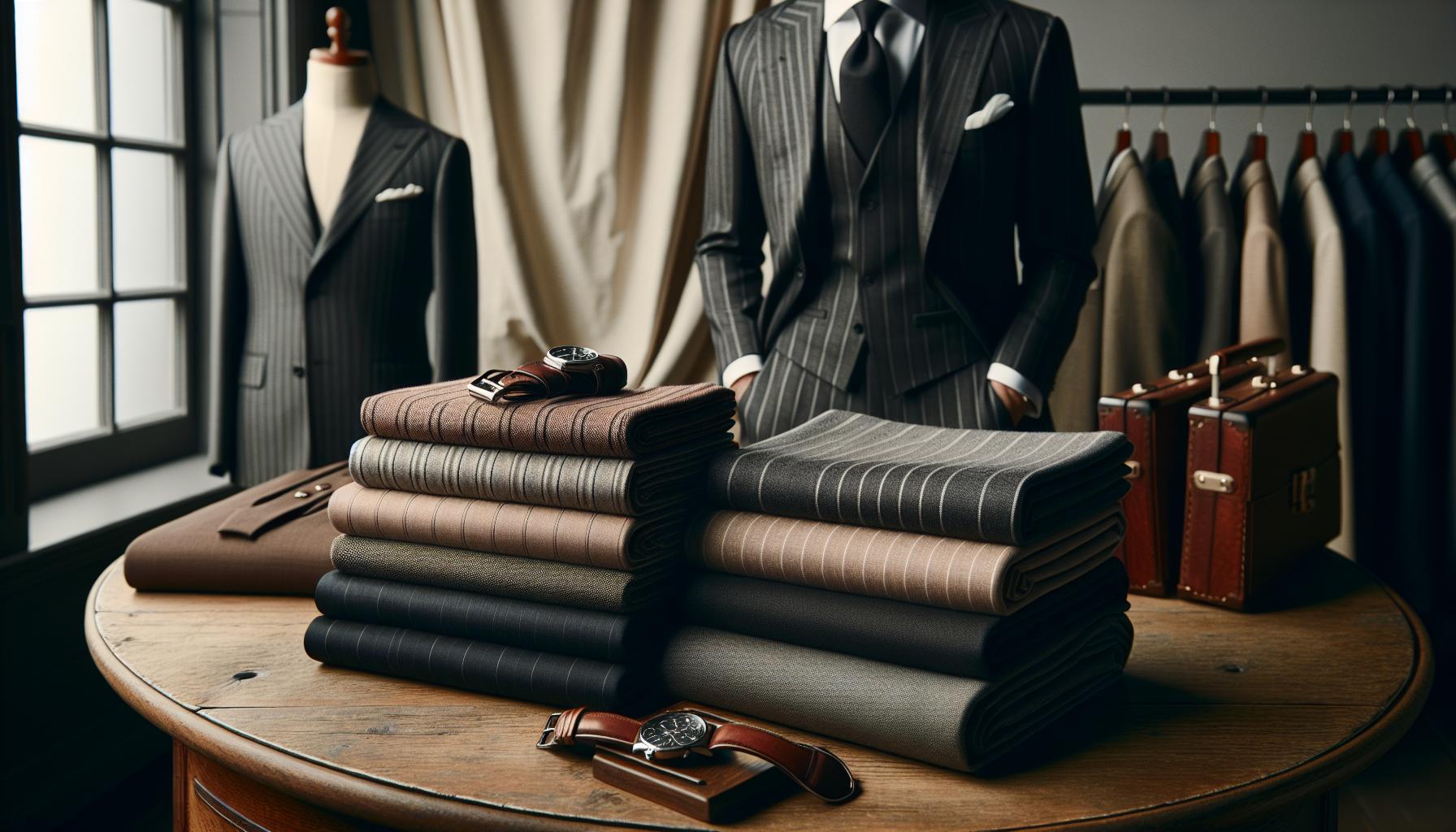
Essential Fabrics for Business Formal Wear
Choosing the right fabric for business formal attire is crucial in achieving both comfort and sophistication. The fabric not only affects the garment’s appearance but also its performance throughout the day. High-quality materials can elevate your overall look and feel, ensuring you present yourself as polished and professional in any formal setting.
Wool is the gold standard for business formal wear. Its natural breathability and moisture-wicking properties make it an excellent choice, especially for tailored suits. A wool suit feels luxurious, drapes well, and maintains its structure throughout long hours of wear. Merino wool, in particular, is softer and finer than traditional wool, making it a fantastic option for those who prioritize comfort without sacrificing style. For warmer climates, lightweight wool blends can provide similar benefits while keeping you cool.
In addition to wool, cotton is another strong contender, especially for shirts and lighter suits. High-quality cotton fabrics offer breathability and can be styled for a crisp look. Sateen cotton, with its smooth finish, can add a touch of elegance, while broadercloth excels in its durability and wrinkle resistance. For elements like ties, silk is unrivaled; its natural sheen adds an air of sophistication and luxury, while the fabric’s lightweight quality allows for intricate patterns and designs without overpowering the ensemble.
Aside from these, consider blended fabrics like polyester or viscose. These can enhance durability, resist wrinkles, and make maintenance easier, providing a practical approach to business formal wear. However, always ensure the primary fabric maintains a high-quality feel to uphold the professional image you wish to convey.
Ultimately, investing in well-crafted fabrics not only supports your aesthetic goals but also enhances your comfort and confidence as you navigate through your formal engagements.
Choosing the Right Colors for Business Formal Attire
is crucial in crafting an image that is both professional and sophisticated. The palette you select not only reflects your personal style but also communicates your professionalism and confidence in various business settings. While classic colors like navy blue, gray, and black remain timeless choices, understanding how color psychology impacts perception can further enhance your overall presence.
When opting for a suit, consider navy blue as your go-to hue. It conveys trustworthiness and reliability, making it a great choice for important meetings or interviews. Charcoal gray is another excellent option, offering a modern twist while maintaining a professional appearance. For a bold yet sophisticated look, consider dark green or bottle green, which can distinguish you from others yet remain within the formal spectrum.
When it comes to shirts, white is the classic choice for a crisp, clean look, signaling professionalism and clarity. For a touch of personality, light blue or subtle patterned shirts can add depth to your outfit without overpowering it. It’s also wise to ensure your tie coordinates well with your overall color scheme; burgundy and deeper shades can add an air of authority and elegance, while patterns can inject a bit of individuality.
Additionally, paying attention to seasonal color variations can keep your wardrobe fresh. During warmer months, lighter shades such as pastel blue or soft gray may be more suitable, while in cooler months, richer tones like deep red or forest green may become more appropriate. Experimenting with color combinations can enhance your ensemble, but it’s essential to ensure harmony within your outfit to maintain a polished appearance.
In summary, selecting the right colors for your business formal attire involves a balance between personal expression and professional image. Stick to classic colors while incorporating subtle shades that allow your personality to shine through, ensuring you leave a lasting impression in every formal setting.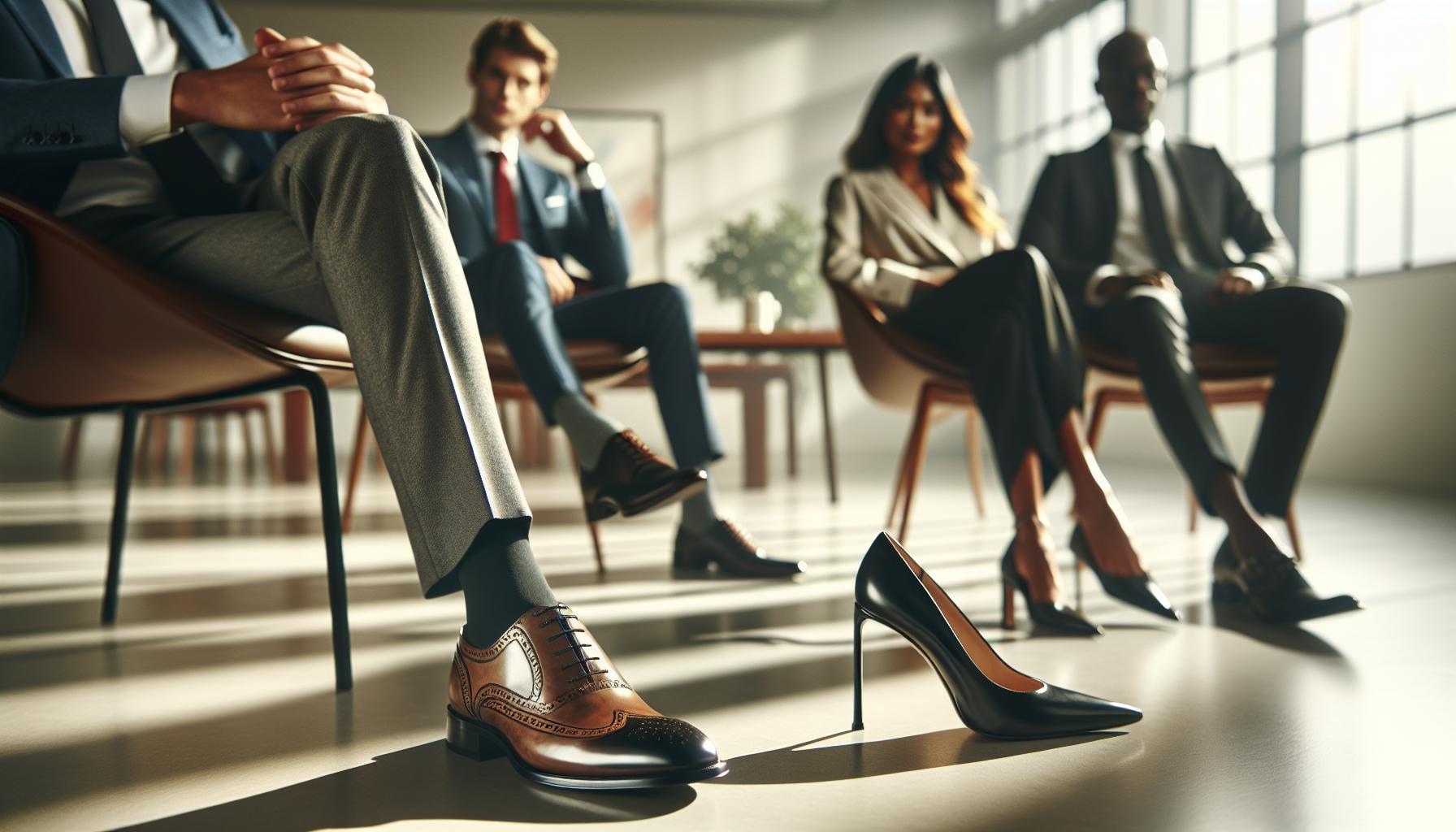
Footwear That Complements Business Formal Style
Footwear in business formal attire is not just about completing an outfit; it plays a crucial role in defining one’s professionalism and style. The right pair of shoes can elevate your entire appearance, projecting confidence and attention to detail. When selecting footwear for business formal occasions, opt for shoes that are sleek, polished, and made from high-quality materials.
Key Shoe Styles for Business Formal
- Oxfords: The quintessential choice for business formal wear, Oxfords are characterized by their closed lacing system, which offers a refined and elegant look. They are versatile enough to pair well with suits of various colors.
- Derbies: Similar to Oxfords but featuring an open lacing system, Derbies provide a slightly more relaxed yet still sophisticated option. They work well for those who prefer a bit more comfort while maintaining professionalism.
- Monk Straps: This style, featuring a side buckle instead of laces, is a fashionable alternative that exudes sophistication. Monk straps can add a unique touch to your ensemble while keeping it formal.
- Loafers: Though typically less formal, a well-crafted pair of loafers can be suitable for business formal settings, especially in less conservative industries. Look for options made from premium leather with a streamlined design.
Essential Features of Formal Shoes
When choosing footwear for a business formal outfit, consider the following features to ensure they align with professional standards:
- Material: Opt for shoes made from genuine leather, as they provide both durability and a luxurious appearance. Suede can also be suitable but is often considered less formal.
- Color: Classic colors such as black and dark brown are generally most appropriate, with black being the safest option for the most formal occasions. Deep burgundy or oxblood can work as stylish alternatives.
- Polished Finish: A polished pair of shoes speaks volumes about your attention to detail. Regularly cleaning and shining your shoes will help maintain their appearance.
Comfort and Fit
Ensuring your shoes fit well is critical for both comfort and presentation. Ill-fitting shoes can not only detract from your appearance but also affect your confidence. Consider trying on shoes at the end of the day when your feet are slightly swollen for a more accurate fit. Look for shoes with cushioned insoles if you anticipate being on your feet for extended periods.
Ultimately, selecting the right footwear for business formal attire is essential to creating a cohesive and polished look. By focusing on style, quality, and fit, you can choose shoes that not only complement your outfit but also enhance your overall professional presence.
Accessorizing: Ties, Belts, and Cufflinks Explained
In the realm of business formal attire, accessories play an indispensable role in elevating your overall look and adding personal flair. Just as a well-tailored suit sets the foundation for professionalism, the right combination of ties, belts, and cufflinks can transform your appearance from ordinary to exceptional. These elements not only enhance your outfit but also convey a sense of attention to detail and sophistication that is essential in formal business settings.
Ties
A tie is often the centerpiece of a business formal outfit, serving as a vital link between the shirt and suit. When selecting a tie, aim for materials like silk or high-quality blends to ensure a polished look. Solid colors, subtle patterns, and classic motifs, such as stripes or dots, are all excellent choices that maintain professionalism. Remember, the tie should complement rather than match the suit. For example, a navy suit pairs beautifully with a light blue tie, while a charcoal grey suit can be enhanced with a burgundy or deep green tie. In terms of knot style, the Windsor knot offers a formal, bold finish, while the Half-Windsor is slightly less formal but still sophisticated.
Belts
The belt is another crucial accessory that not only holds your trousers in place but also unifies your look. Opt for a leather belt that matches the color of your shoes for a cohesive appearance. In formal settings, it’s advisable to choose a simple, classic style without excessive embellishments. A polished silver or gold buckle can seamlessly integrate into your outfit, lending an air of sophistication without drawing too much attention. For example, if you’re wearing black Oxfords, a black leather belt with a subtle silver buckle will maintain the elegance of your ensemble.
Cufflinks
Cufflinks symbolize refinement and attention to detail in business formal attire. They are an excellent way to express your personal style while remaining professional. When choosing cufflinks, consider materials such as silver, gold, or even enamel that can add a touch of color. Stick to classic designs for formal occasions; option such as silver knots or tasteful geometric shapes work well. For special events or when you want to make a statement, consider cufflinks with unique motifs or custom engravings that reflect your personality or interests.
Ultimately, mastering the art of accessorizing in business formal attire is about striking the right balance between style and professionalism. By selecting ties, belts, and cufflinks that coordinate seamlessly with your suit, you can not only complete your outfit but also present yourself as a polished and confident professional. Each accessory serves as a reflection of your understanding of the nuances of formal dressing, leaving a lasting impression in any professional setting.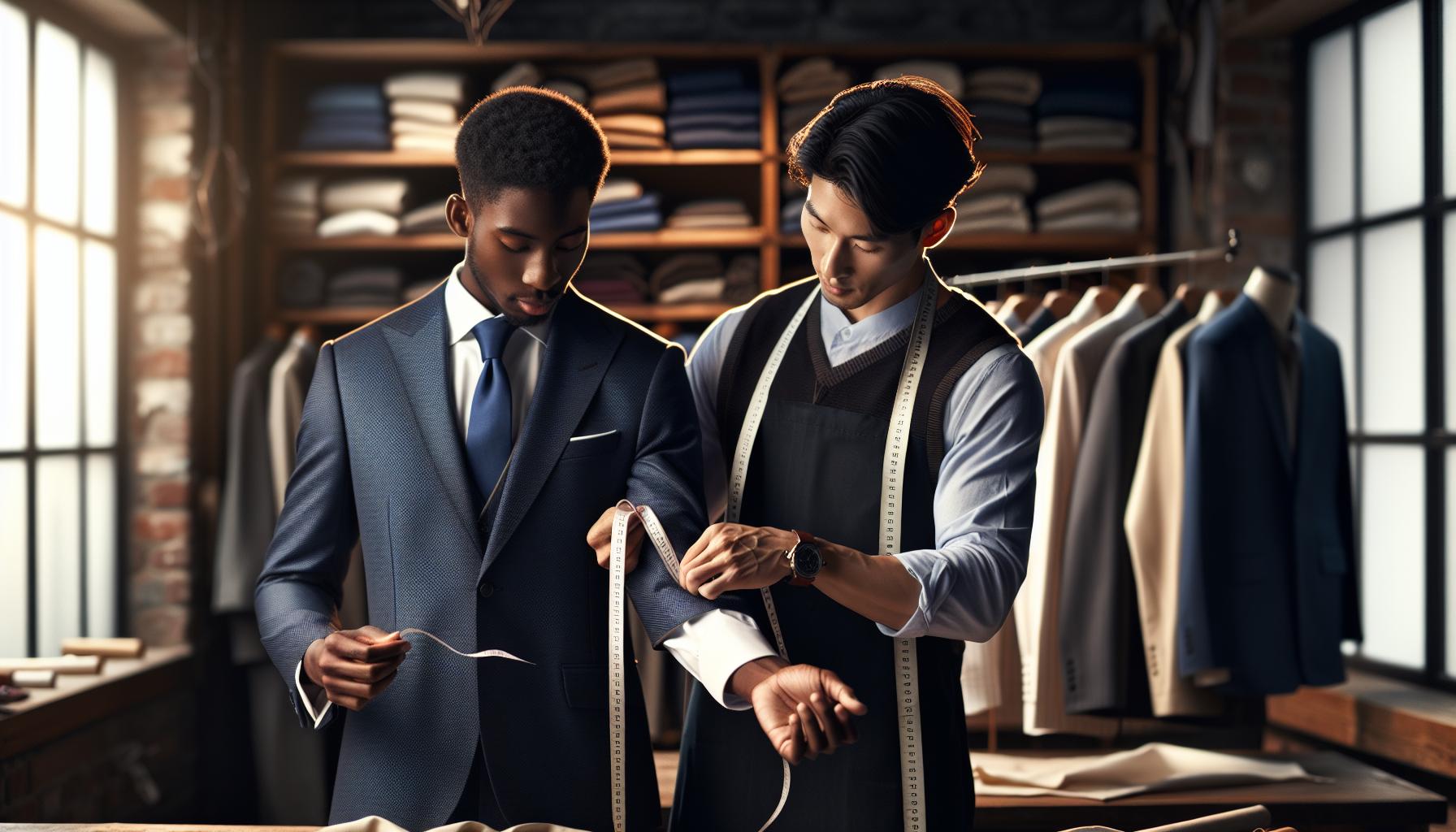
Understanding Fit: Tailoring for Business Formal Wear
Achieving the perfect fit in business formal wear is essential, as even the most expensive suit can look unprofessional if it’s ill-fitting. Understanding how to tailor your garments not only enhances your appearance but also boosts your confidence. A well-fitted suit should accentuate your body’s best features without constricting movement, allowing you to present yourself as polished and put-together.
When considering the fit of your suit, there are a few key areas to focus on: the shoulders, chest, waist, and sleeves. Shoulder fit is crucial; the suit’s shoulder seam should align perfectly with your natural shoulder line. If the shoulders are too tight, it may restrict movement, while overly loose shoulders can create a baggy look. Next, assess the fit through the chest and waist. A good rule of thumb is that you should be able to comfortably fit a flat hand between your body and the jacket; if it’s too loose or too tight, adjustments are necessary. The jacket length should ideally cover your seat when standing and fall just below your hip bone to maintain a balanced silhouette.
Sleeves should end where your wrist meets your hand, allowing a small peak of your shirt cuff to show when your arms are at your sides. For trousers, ensure they rest comfortably at your waist without needing a belt to hold them up, and they should break slightly on your shoes for a polished look.
To achieve that impeccable fit, consider visiting a professional tailor. Tailoring services can range from minor adjustments, such as sleeve shortening or waist slimming, to more complex modifications like taking in the entire jacket. Even new off-the-rack suits typically require some tailoring to ensure they complement your unique body shape. Investing time and resources in tailoring can make all the difference in your overall presentation, making you stand out as a confident and competent professional.
Seasonal Considerations for Business Formal Attire
Navigating the intricacies of business formal attire involves considering not just the garment selection but also the seasonal context in which you’re dressing. The climate has a profound impact on both comfort and style, making it crucial to adapt your wardrobe to ensure you maintain a polished appearance year-round.
In warmer months, opt for lighter fabrics such as linen or breathable wool blends that wick moisture while maintaining structure. These materials allow for air circulation, reducing the risk of overheating during the day, especially in non-air-conditioned environments. Colors also play a vital role-lighter shades such as cream, light grey, and pastels can be more suitable for summer, projecting freshness and professionalism without sacrificing formality. Pair these fabrics with well-fitted lightweight dress shirts that can keep you feeling comfortable.
Conversely, during the colder months, layering becomes essential. A tailored wool suit or heavier cotton provides warmth while presenting a refined silhouette. Underneath your suit, consider layering with a cashmere or merino wool sweater to add sophistication without bulk. Darker colors such as navy, charcoal, and deep green can help exude seriousness, often seen as more reflective of the seasonal mood. Additionally, don’t overlook the importance of your outerwear; a well-tailored overcoat can elevate your entire look, ensuring that you stay stylish even when transitioning between indoor and outdoor settings.
Footwear should also align with seasonal considerations. In rainy seasons, invest in appropriate shoes made from weather-resistant materials. Make sure your shoes are polished and in good condition-this attention to detail can make a significant difference in your overall appearance. Furthermore, accessories can vary with the seasons; for example, in winter, consider wool ties or those with richer textures, while summer might call for lighter, more colorful options.
Adapting your business formal attire to the seasons not only enhances your comfort and confidence but also reinforces your professional image. By carefully selecting materials, colors, and accessories that correspond with the climate, you can effectively present an image of both style and competence, irrespective of the weather outside.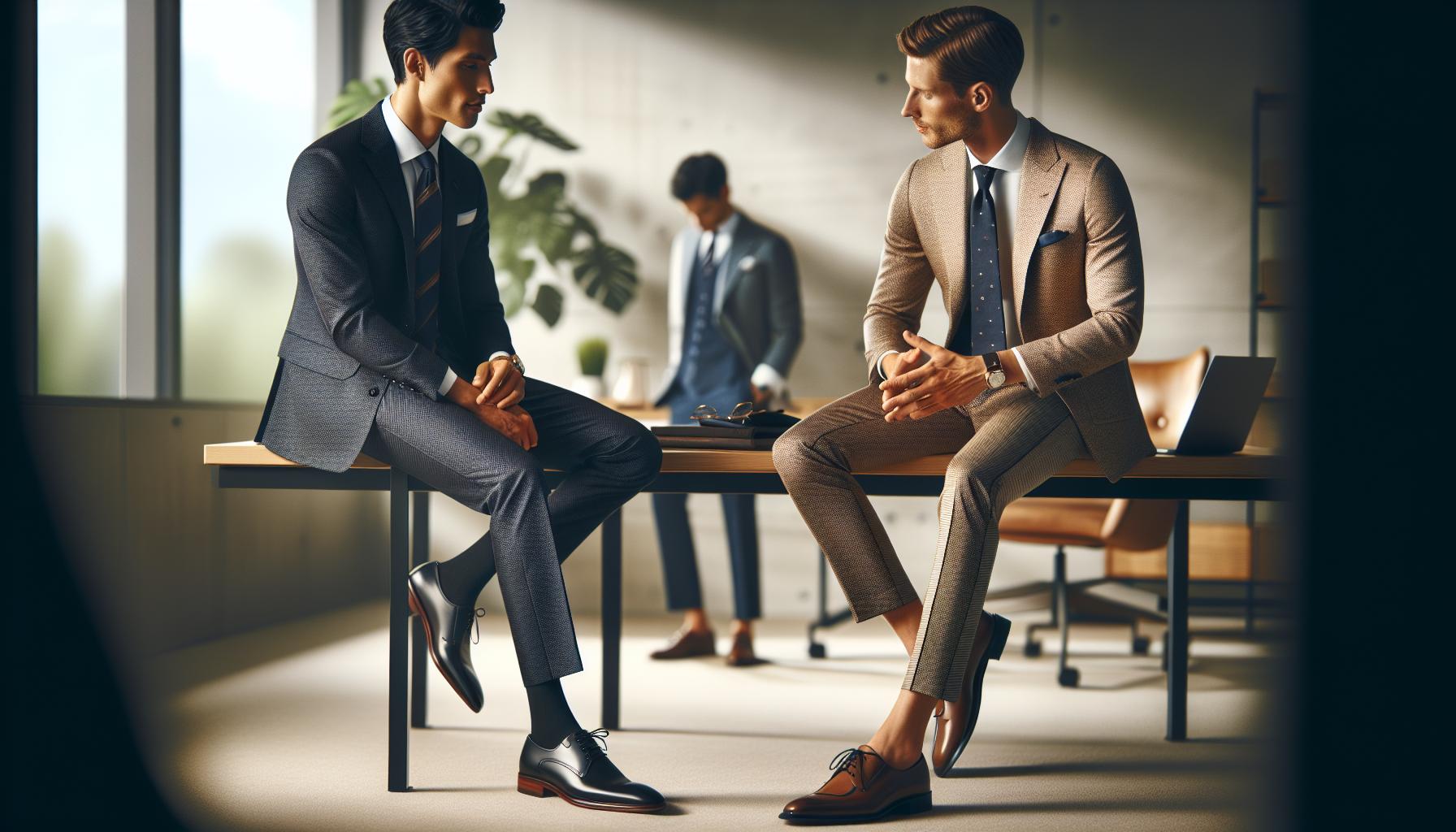
Business Formal vs. Smart Casual: Key Differences
Understanding the distinction between business formal and smart casual attire is pivotal for navigating today’s professional landscape. Business formal attire epitomizes professionalism and reliability, making it essential in industries such as law and finance, where first impressions matter significantly. This style typically includes tailored suits, dress shirts, ties, and polished footwear, culminating in a sophisticated and put-together appearance. On the other hand, smart casual attire conveys a more relaxed approach while still reflecting professionalism. It usually combines well-fitting shirts with smart trousers or chinos and occasional blazers, allowing for individual style while maintaining a polished look.
In practical terms, the key differentiating factors can be summarized as follows:
- Purpose and Context: Business formal is most suitable for high-stakes meetings, presentations, and formal events. Smart casual, however, works well in business environments that promote a less rigid atmosphere, such as creative industries or casual Fridays.
- Garment Choices: For business formal, expect to wear tailored suits made of higher-quality materials, often accompanied by a conservative color palette. Smart casual allows for more flexibility, including items like tailored shorts or stylish sneakers, depending on the workplace culture.
- Accessories: In a business formal setting, accessories should be minimalistic and elegant-cufflinks, a simple watch, or a classic tie. Smart casual allows for bolder choices, such as colorful ties or statement shoes, enabling personal expression while remaining appropriate.
- Fit and Tailoring: Business formal emphasizes impeccable fit and outstanding tailoring, reflecting professionalism. Smart casual garments can still fit well but may prioritize comfort and personal style over strict tailoring.
Navigating the nuances between these two styles can empower professionals to dress appropriately for various occasions, reflecting their personal brand while adhering to workplace expectations. Ultimately, understanding the context and maintaining a balance between comfort and professionalism are key to making the right sartorial choices.
Preparing Your Wardrobe: Essential Pieces to Invest In
To create a robust business formal wardrobe, it’s essential to invest in key pieces that will serve you well across various situations, from important meetings to formal events. The foundation of business formal attire lies in timeless, quality garments that reflect professionalism and sophistication. Here’s what to focus on when preparing your wardrobe.
Key Suit Components
A tailored suit is the cornerstone of any business formal outfit. Opt for suits made from high-quality fabrics such as wool or a wool blend, which not only provide a polished appearance but also ensure comfort throughout the day. A versatile dark-colored suit (navy or charcoal) can be paired with different accessories and shirts, allowing for multiple looks with minimal effort.
Dress Shirts
A selection of dress shirts in classic colors like white, light blue, or subtle patterns will complement your suits beautifully. Look for shirts made from breathable cotton with a tailored fit to maintain a sharp silhouette. It’s wise to have both long and short-sleeve options, depending on the season and your comfort.
Ties and Accessories
Investing in a few quality ties can elevate your business formal attire significantly. Choose ties in solid colors or conservative patterns that coordinate well with your suits and shirts. In addition to ties, consider adding cufflinks and a classic watch for an extra touch of professionalism without being overdone.
Footwear Essentials
Footwear is crucial in defining your overall business formal look. A pair of polished leather shoes, such as Oxfords or Derbies in black or brown, can make a powerful statement. Ensure your shoes are well-fitted and regularly maintained to keep them looking pristine.
Outerwear
Depending on your climate, investing in a quality overcoat or trench coat can provide both warmth and style. Look for pieces that are tailored and complement your existing suits, ensuring you’re prepared for any weather conditions while still appearing professional.
In summary, assembling a quality business formal wardrobe requires careful consideration of key garments, with a focus on fit, fabric, and style. By investing strategically in these essential pieces, you’ll be well-equipped to navigate any formal business setting confidently.
Maintenance Tips for Your Business Formal Attire
Maintaining business formal attire is essential for keeping your wardrobe looking sharp and professional, ensuring you make a good impression in any corporate setting. Proper care not only extends the life of your garments but also helps retain their appearance, fit, and color. Here are some key tips to keep your business formal wardrobe in top condition.
Regular Cleaning
Your suits and dress shirts should be cleaned regularly, but not excessively. Overwashing can lead to wear and tear, particularly for delicate fabrics. Aim to have your suit dry-cleaned every 5-6 wears, and for shirts, consider laundering every 1-2 wears, depending on how much you perspire and the level of dirt exposure. Always follow the care label instructions to avoid damaging the fabric.
Proper Storage
How you store your business formal wear can significantly affect its condition. Use well-structured hangers for suits to maintain their shape, and opt for wooden or padded hangers for added support. Avoid cramming your garments into a closet, as this can lead to wrinkles. For suits that you don’t wear frequently, consider garment bags to protect them from dust and potential moths.
Ironing and Steaming
Wrinkles are inevitable with formal wear, so it’s important to handle them properly. A high-quality iron or a garment steamer can help you achieve a crisp look. When ironing, use a low heat setting for wool and always place a cloth between the iron and the fabric to avoid direct contact that can scorch the material. For delicate fabrics, steaming is often gentler and effective in removing wrinkles without damaging the fibers.
Footwear Care
Because shoes play a crucial role in business formal attire, regular maintenance is essential. Polish your leather shoes regularly to keep them shiny and to protect against scuffs and scratches. Consider using a cedar shoe tree to help maintain the shape of your shoes and absorb moisture after wearing. Additionally, use alternate pairs of shoes rather than wearing the same pair daily to alleviate wear.
Incorporating these maintenance tips into your routine will help ensure that your business formal attire remains stylish and professional for any occasion, reflecting the quality and care you’ve invested in your wardrobe. Proper care not only enhances the durability of your clothing but also projects an image of professionalism and attention to detail, crucial in any business environment.
Cultural Perspectives on Business Formal Dressing
reveal a rich tapestry of expectations and norms that can vary significantly from one region to another. In many Western cultures, business formal attire has long been associated with traditionalism, emphasizing dark suits, conservative ties, and polished shoes for men. This standard reflects values of professionalism and authority, crucial for making a positive first impression in corporate settings. However, as workplace norms evolve, so too does the interpretation of business formal, influenced by globalization and changing societal attitudes.
In contrast, cultures in Asia often blend traditional clothing elements with contemporary business attire. For example, in Japan, the shaku (a formal suit) can include unique accessories that reflect cultural heritage, thus merging identity with professionalism. Similarly, in India, the sherwani might find its way into business environments, especially during important meetings or negotiations. Such attire conveys respect for tradition while adapting to modern business practices, showcasing the importance of cultural identity in professional spaces.
Understanding these cultural nuances is vital for global business interactions. When meeting clients or colleagues from different backgrounds, men should consider the appropriateness of their attire. A tailored suit might resonate well in a European context, but incorporating local attire in conversations with Asian or Middle Eastern clients can denote respect and understanding, enhancing relationships.
Navigating these cultural waters requires not only an awareness of local customs but also an adaptable wardrobe that allows men to shift their attire as needed. This adaptability can manifest in a versatile selection of suits, dress shirts, and ties that compliment varying cultural interpretations of formality. Thus, being informed about and sensitive to cultural perspectives in business formal dressing can facilitate smoother interactions and foster deeper connections in diverse professional environments.
Faq
Q: What are the key differences between business formal and business casual attire for men?
A: Business formal attire requires structured suits, polished dress shoes, and ties, emphasizing professionalism. In contrast, business casual allows for more relaxed clothing, like smart trousers and collared shirts without a tie. Understanding this distinction helps men navigate appropriate dress codes in various work environments.
Q: When should a man wear business formal attire?
A: Men should wear business formal attire during important meetings, formal events, interviews, or when representing the company at high-profile functions. This ensures a polished appearance that conveys professionalism and respect. Familiarizing yourself with occasions requires this attire is essential for successful career advancement.
Q: How can a man accessorize effectively for a business formal look?
A: For business formal attire, men should choose subtle, elegant accessories like a silk tie, leather belt, and classic cufflinks. A high-quality wristwatch can also enhance the overall look. Opt for colors and metals that complement the outfit, ensuring a sophisticated finish that aligns with professional standards.
Q: What shoes are appropriate for business formal wear?
A: Business formal wear demands polished leather shoes, typically in black or dark brown. Oxfords and brogues are ideal choices, as they maintain a sharp look. Ensure shoes are well-fitted and clean, as footwear significantly impacts overall attire and first impressions in professional settings.
Q: How should a man dress for a business formal event in warmer seasons?
A: In warmer seasons, men should choose lightweight fabrics like linen or breathable cotton while maintaining structure. Light-colored suits can also keep the look fresh and professional. Pairing them with a classic white shirt and breathable dress shoes optimizes comfort without compromising style.
Q: What facings should be avoided in business formal attire for men?
A: Avoid overly casual items like sneakers, T-shirts, or shorts, as they compromise professionalism. Additionally, steer clear of bold prints and loud colors that can distract from a polished appearance. Sticking to classic, understated pieces ensures you maintain the proper business formal look.
Q: Is it necessary to wear a tie with business formal attire?
A: Yes, wearing a tie is generally necessary for business formal attire as it enhances the professional look. Opt for conservative styles and colors that complement the suit. Ties signify formality and respect in professional settings, making them an essential element of the overall outfit.
Q: How can a man maintain his business formal wardrobe?
A: Regular maintenance involves dry cleaning suits, polishing shoes, and storing items properly to avoid wrinkles. Invest in quality hangers and garment bags to protect fabrics. Following these practices not only prolongs the life of your attire but also ensures you always look your best.
The Way Forward
Now that you have a comprehensive understanding of what business formal attire means for men, it’s time to elevate your professional wardrobe and make a lasting impression. Remember, dressing appropriately not only reflects your professionalism but also boosts your confidence in critical situations. If you’re ready to refine your style further, explore our related articles on mastering business casual attire and essential accessories that complement your business formal look.
Don’t forget to subscribe to our newsletter for the latest fashion tips, trends, and exclusive offers that will keep you looking sharp. Have questions or tips of your own? We invite you to leave a comment below or share your thoughts on social media; your insights might inspire others on their journey to sartorial success. Take the next step today-your professional presence awaits!