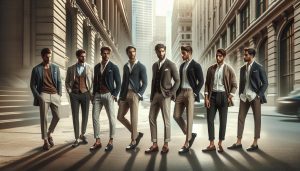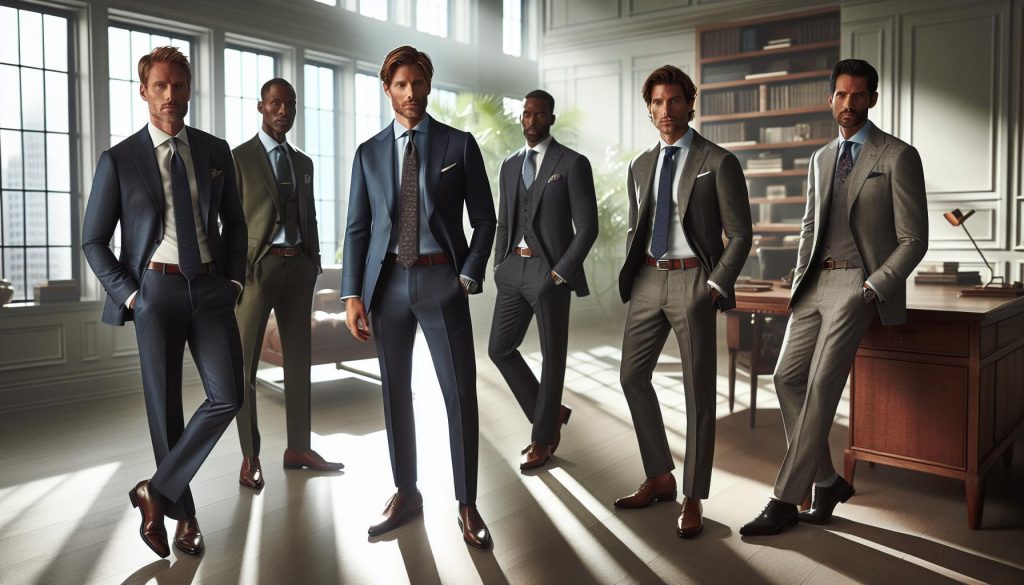
In today’s competitive professional landscape, mastering business professional attire for men is essential. A well-curated wardrobe not only enhances your credibility but also boosts your confidence, making a strong impression in interviews, meetings, or networking events. Understanding the nuances of dressing appropriately can help you navigate various workplace environments and align with industry standards. Whether you’re stepping into a formal business setting or aiming for a polished yet approachable look, the right attire plays a crucial role in defining your personal brand. As we delve into practical style tips, you’ll discover how to effortlessly project professionalism while expressing your unique identity. Ready to elevate your wardrobe? Let’s explore the essentials of business professional attire for men.
Understanding Business Professional Attire for Men
Understanding the nuances of business professional attire for men is essential, especially in today’s competitive business environment where first impressions are pivotal. The concept encompasses more than just wearing a suit; it is about reflecting professionalism, confidence, and attention to detail through one’s clothing choices. Effective business attire communicates respect for the position, the organization, and the individuals you interact with daily, whether in meetings, networking events, or casual business gatherings.
Defining Business Professional Attire
Business professional attire typically involves structured, tailored clothing that fits well with a formal business setting. Common components include a well-fitting suit-typically in shades like navy, charcoal, or black-paired with a crisp dress shirt in complementary colors. Accessories like ties should be chosen with caution; subtle patterns or solid colors are generally preferable to bold prints. Shoes should be polished and professional, aligning with the overall outfit while avoiding overly casual options like loafers or sneakers.
A Key to Professionalism: Fit Matters
A crucial aspect of business professional attire is fit. Properly tailored garments not only enhance appearance but also boost confidence. It’s advisable to consult with a tailor who can adjust off-the-rack pieces to fit individual body shapes. A well-fitted suit jacket should hug the shoulders, and the sleeves should end at the wrist, revealing a hint of shirt cuff. Trousers should break slightly over the shoe to create a clean line without pooling at the ankles.
Color and Fabric Selection
When selecting colors and fabrics, consider the impact on your overall presentation. Fabrics such as wool or wool blends are ideal for suits due to their durability and structure, helping to maintain a polished look throughout the day. Lighter fabrics may be appropriate in warmer seasons, but always opt for those that drape well and maintain form. In terms of color psychology, shades of blue and gray are shown to inspire trust and professionalism, thereby making them favorable choices.
Understanding and implementing the principles of business professional attire for men not only reflects individual style but also signifies respect for the professional environment. By focusing on fit, color, and fabric choice, men can confidently navigate any business setting, ensuring they make a lasting impression.
Essential Elements of Men’s Business Attire
In the realm of business professional attire, understanding the essential components can significantly impact one’s career trajectory. The right outfit not only enhances personal presentation but also conveys a message of professionalism and competence. Men’s business attire typically revolves around key elements that need careful consideration.
The foundation of men’s business attire often starts with a well-tailored suit. Opting for classic colors such as navy, charcoal, or black ensures that the suit is versatile and appropriate for various professional settings. A crisp, white or light-colored dress shirt serves as an excellent complement, enhancing the overall sharp appearance. The fit of the suit is crucial; a tailored suit should embrace the body comfortably while allowing for movement-this means avoiding overly tight garments that restrict mobility or loose pieces that create an unkempt look.
Accessories are another pivotal aspect of men’s business attire. A tie adds a touch of formal sophistication; opting for solid colors or subtle patterns will help maintain a polished and professional appearance. Shoes should be leather and always kept polished; styles like oxfords or brogues work well in formal settings, while loafers may be suitable in slightly less formal environments, provided they are still refined in appearance. Paying attention to small details, such as a quality belt, a classic watch, or even cufflinks, can set one apart and showcases attention to detail without overwhelming the overall ensemble.
Lastly, grooming cannot be overlooked in the quest for business professionalism. Well-groomed hair, minimal facial hair, and clean nails contribute significantly to the overall presentation. Each of these elements comes together to form a cohesive look that not only meets formal dress code standards but also enables men to project confidence and competence in any business environment. By carefully considering these key components, men can create an impactful professional image that resonates with colleagues and clients alike, ultimately enhancing their professional presence.
Color Psychology: Choosing the Right Shades
Choosing the right colors for business attire is critical as colors communicate your intentions and personality even before you say a word. In professional environments, the psychological impact of color can influence how others perceive your confidence, authority, and professionalism. This understanding can be pivotal in making a memorable impression, which can translate into better relationships and opportunities in your career.
When selecting shades for business outfits, consider the emotional responses different colors evoke. For instance, navy blue is often associated with trust and authority, making it a staple for suits and dress shirts. Similarly, charcoal gray conveys professionalism and sophistication, while black projects power and formality. These classic hues serve as the bedrock of a business wardrobe and can be complemented with lighter tones, such as crisp whites or pale blues, which bring a refreshing contrast and signify clarity and approachability.
It’s also essential to think about the context of your professional setting. In more conservative industries like finance or law, sticking to muted colors is prudent. Conversely, creative industries might embrace bolder colors, allowing for expressions of individuality. When integrating colors, use accessories to introduce color without overwhelming your look; a vibrant tie or pocket square can add personality while maintaining professional decorum.
Moreover, understanding seasonal color trends can also enhance your wardrobe’s relevance. For example, earth tones are often appreciated in fall, while pastels are favored in spring, providing opportunities to refresh your look throughout the year. By being mindful of color psychology and seasonal appropriateness, you can strategically choose shades that not only represent your personal brand but also align with your professional aspirations.
Fabric Selection: Comfort Meets Professionalism
Selecting the right fabric for your business attire is a crucial factor that balances comfort and professionalism, significantly influencing your overall presentation. While looks matter, how your clothing feels against your skin can affect your confidence and focus throughout a busy workday. The goal is to choose fabrics that not only look polished but also offer comfort for extended wear, enabling you to command attention without distraction.
When considering fabric types, here are some options that excel in business settings:
- Wool: Known for its durability and breathability, wool is an excellent choice for suits. It offers excellent wrinkle resistance and maintains a crisp appearance throughout the day.
- Cotton: Lightweight and breathable, cotton is perfect for dress shirts. Opt for high-quality cotton to ensure it looks sharp and withstands daily wear and tear.
- Blends: Fabrics blended with synthetic fibers often improve the overall structure and resilience of a garment. A polyester-cotton blend, for instance, can provide the softness of cotton while enhancing wrinkle resistance.
- Linen: Ideal for warm climates, linen offers unmatched breathability and a casual elegance. However, it wrinkles easily, so consider it for less formal business occasions.
In addition to selecting the right fabric type, understanding the weight and texture can enhance your choice. Lightweight fabrics are suitable for warmer months, while heavier options provide warmth during colder seasons. Textured fabrics, such as houndstooth or tweed, can add visual interest to your outfit while still adhering to a professional standard.
Ultimately, prioritizing comfort while ensuring your attire looks sophisticated is key. Fabrics that offer elasticity and stretch can provide ease of movement, allowing you to navigate your workday with confidence. Consider your typical work environment and choose materials that suit both your professional image and personal comfort. By doing so, you set yourself up for success-both in terms of style and functionality.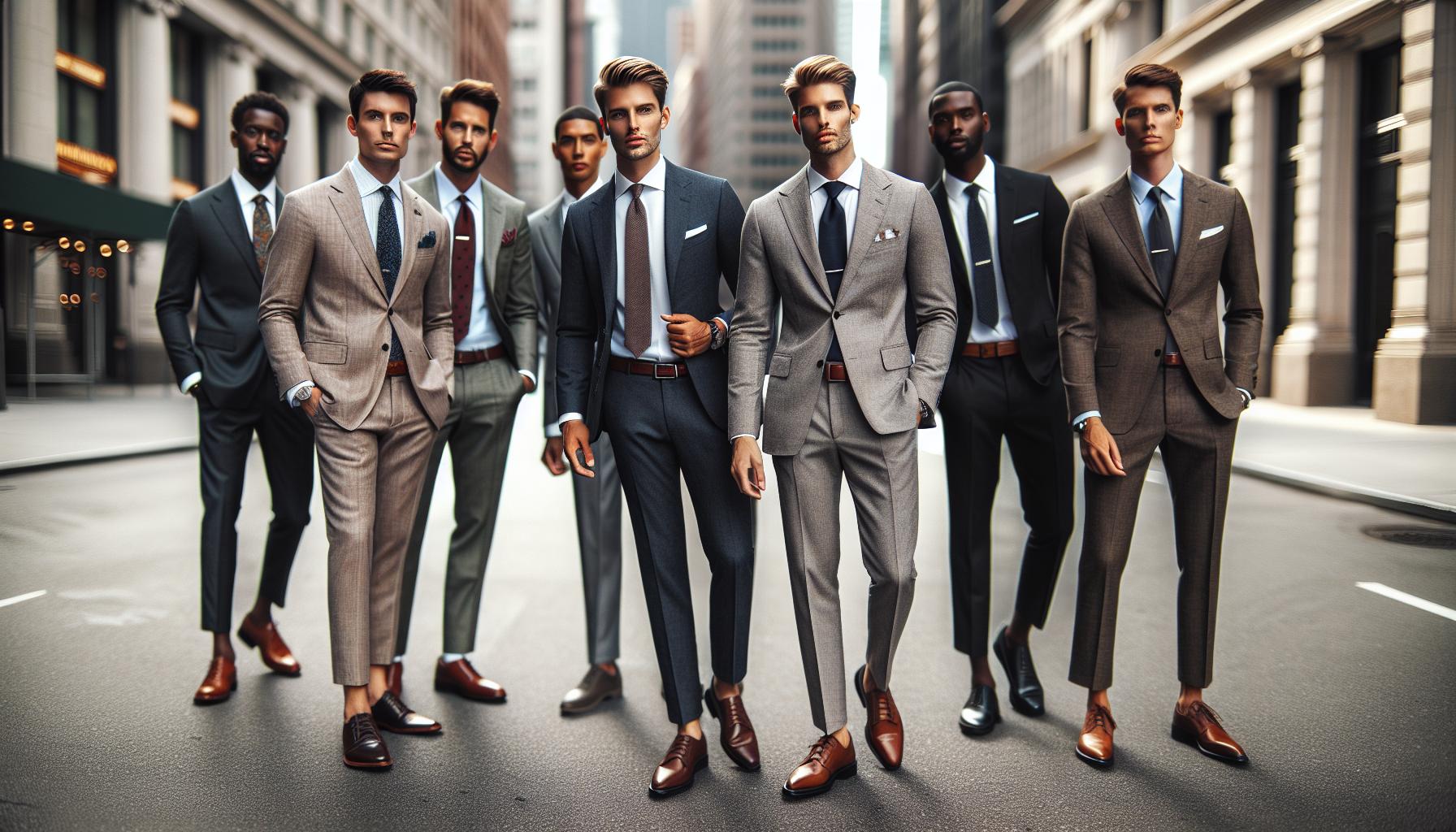
Must-Have Business Attire Staples for Men
In today’s competitive professional environment, having a well-curated wardrobe is essential for making a strong impression. The foundation of a successful business professional look lies in understanding the must-have staples that not only reflect your personal style but also align with industry standards. Each piece you choose should convey confidence, authority, and sophistication.
A tailored suit remains the cornerstone of men’s business attire. Invest in at least one well-fitted suit in a classic color like navy or charcoal. The right cut can enhance your silhouette while allowing for comfortable movement throughout the day. Pair this with a high-quality dress shirt in a solid color or subtle pattern, which provides a polished underneath while allowing versatility in your ensemble.
Essential Staples:
- Trousers: Opt for dress pants that complement your suit jacket, ensuring they are tailored to your frame for the best fit. Aim for fabrics that maintain a crisp appearance such as wool or a wool blend.
- Ties: A selection of ties adds personality to your look. Choose patterns and colors that reflect your style but remain suitable for a business setting. A silk tie is always a sophisticated choice.
- Dress Shoes: Invest in a good pair of leather shoes-oxfords or brogues-that not only enhance your outfit but also provide comfort. Neutral colors like black or brown enable easy pairing with different suits.
- Belt: A matching leather belt is crucial. It pulls your look together and should complement your shoes.
- Watch: A sophisticated timepiece can convey professionalism. Opt for classic styles that enhance your overall presentation without being overly flashy.
Finally, don’t underestimate the impact of a well-fitted blazer or a tailored sport coat that can be versatile for both business casual environments and formal occasions. Layering with quality fabrics not only improves comfort but also maintains an elevated appearance, ensuring you remain stylish in various settings.
By thoughtfully selecting and maintaining these staples, you not only save time on daily outfit decisions but also establish a reliable, professional image that speaks volumes in any business setting.
Understanding Fit: Tailoring Your Look
A well-tailored outfit can dramatically enhance your overall appearance, making you look more polished and professional. Understanding the fit of your garments is crucial in achieving that ideal look. Ill-fitting clothes, no matter how expensive, can send the wrong message about your professionalism. Customized tailoring allows you to present yourself in the best light, as each piece can be altered to flatter your specific body shape.
When it comes to suits, the fit is paramount. Here are some key areas to focus on:
- Shoulders: The suit jacket should fit snugly without pulling or sagging. Your shoulders should fill the jacket without a gap between the fabric and your natural shoulder line.
- Chest: When buttoned, the jacket should create a slight V-shape without straining or gaping. You should be able to comfortably slide a flat hand between your chest and the fabric.
- Length of Sleeves: Shirt cuffs should peek out from underneath your jacket sleeves by about a quarter to half an inch. This balance adds a touch of sophistication.
- Pants: Trousers should fit comfortably at the waist without the need for a belt to keep them up. The hem should lightly touch your shoes and break just above the sole.
In addition to these basic standards, consider the importance of proportions. If you’re on the taller side, opt for longer jacket lengths and pant inseams, while shorter individuals may benefit from jackets with shorter cuts to avoid overwhelming their frame. Investing in alterations for both suits and casual wear can be an effective strategy. Even a modestly priced suit can look expensive when tailored appropriately.
Remember, fit is not just about size-it’s also about how the garment makes you feel. Wearing clothes that fit well boosts your confidence, allowing you to focus on your work and interactions rather than on discomfort or awkwardness. Engage a professional tailor to discuss your body shape and style preferences, ensuring that each piece in your wardrobe contributes to your professional image. This tailored approach not only enhances your physical silhouette but also signals that you take your role seriously, fostering respect and authority in any business environment.
Accessories That Elevate Your Attire
In the world of business professionalism, accessories serve as the finishing touches that can transform an outfit from standard to standout. They are not just ornamental; the right accessories convey confidence and attention to detail, making a substantial difference in how one is perceived in a professional setting. Consider accessories as strategic tools that can enhance your overall look while embodying your personal brand.
Key Accessories to Consider
To cultivate a polished appearance, focus on the following essential accessories:
- Ties: A well-chosen tie can act as a focal point of your outfit. Opt for ties that complement your suit and shirt color. Patterns can add interest while remaining professional-think subtle stripes or textured fabrics.
- Cufflinks: Elevate your dress shirt with stylish cufflinks. They offer a unique way to express your personality and can range from classic silver to more contemporary designs.
- Belts: A good belt not only holds your trousers in place but also ties your outfit together. Choose a leather belt that matches the color of your shoes for a cohesive look.
- Watches: A classic watch can showcase your sophistication and punctuality. Aim for a style that is both elegant and suitably understated; it should enhance your business attire rather than distract from it.
- Briefcases and Tech Bags: In the digital age, a sleek briefcase or bag serves as both a functional accessory and a fashion statement. Ensure it complements your outfit and is sized appropriately for your daily essentials.
Choosing the Right Colors and Materials
When selecting accessories, color and material can significantly affect the overall impact of your look. Stick to high-quality materials like leather and silk, which not only feel luxurious but also present a polished image. In terms of color, neutral and dark shades often evoke a sense of professionalism-however, don’t shy away from adding a pop of color that may reflect your brand or personality.
Accessorizing in a professional setting enhances your outfit and communicates your attention to detail. By carefully selecting and pairing your accessories, you create an impression of confidence and competence in the workplace. Remember, it’s the details that often make the most significant difference.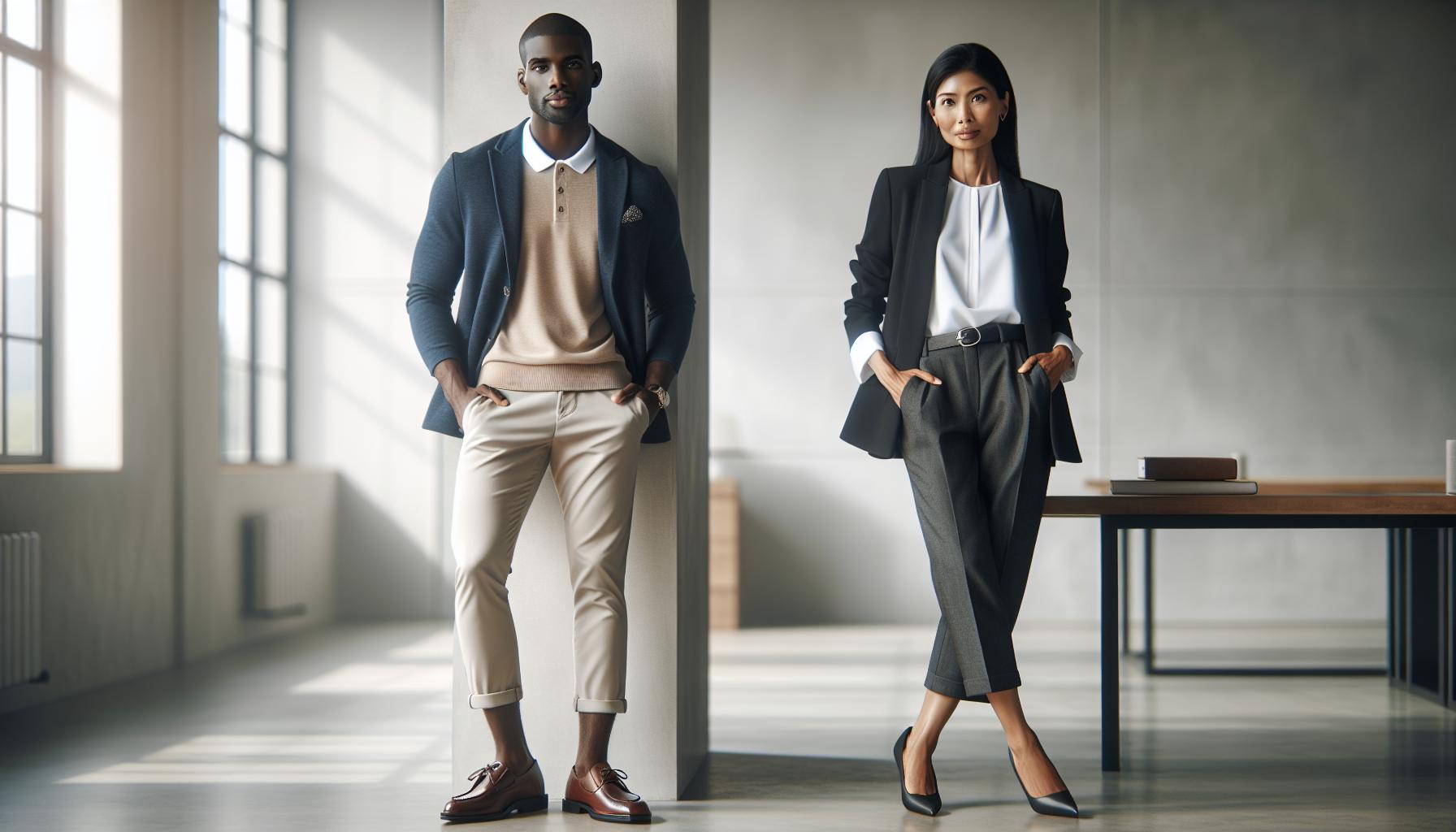
Navigating Dress Codes: Business Casual vs. Formal
Understanding the nuances between business casual and formal attire can make a significant impact on one’s professional image. Business professional attire usually demands a higher level of formality, while business casual allows for more flexibility. Properly navigating these dress codes can enhance confidence and contribute to a positive workplace atmosphere.
In a business formal setting, men are generally expected to wear a suit, dress shirt, and tie. Typically, this includes darker colors like navy, charcoal, or black, complemented with brighter shirt tones-think crisp white or soft pastels. Materials such as wool or high-quality blends are the go-to choices. Footwear should be polished leather dress shoes, and accessories should be kept minimal yet purposeful. A classic watch and subtle cufflinks elevate this look without overwhelming it.
On the other hand, business casual attire promotes a more relaxed approach while maintaining professionalism. Here, you can opt for dress pants or chinos paired with a collared shirt. Ties are often optional, allowing for a more personal touch, perhaps with patterned or colored shirts that reflect individual style. You can incorporate smart casual shoes, like loafers or dressy sneakers, as long as they remain neat and stylish. Additionally, layering a blazer over a casual shirt can effectively bridge the gap, allowing you to transition between formal and casual settings seamlessly.
It’s essential to keep the specific workplace culture in mind when deciding on your attire. Some companies may have relaxed interpretations of business casual, while others may lean toward more formal standards, and understanding this subtlety can prevent missteps in appearances. Always remember that how you present yourself is an extension of your professional brand; making the right choice between business casual and formal attire can reinforce that image and show your commitment to professionalism.
Common Mistakes to Avoid in Business Attire
Navigating the world of business professional attire can be tricky, and many men frequently make common missteps that could detract from their professional image. One of the most significant errors is failing to consider the fit of their clothing. A suit or dress shirt that is too loose or too tight can give off a careless impression, no matter how expensive the fabric is. It’s vital to invest in tailoring to ensure that your garments fit you perfectly, enhancing your silhouette rather than detracting from it.
Another prevalent mistake is choosing the wrong footwear. Casual shoes, even if polished, can undermine an otherwise polished outfit. Stick to classic options like leather dress shoes that complement your attire. Also, ensure that your shoes are properly maintained; scuffed or unpolished shoes can quickly tarnish a professional appearance. Alongside this, attention to detail shouldn’t stop at the shoes. Accessories like ties, belts, and watches should coordinate well, avoiding overly flashy designs that steal focus from your overall look.
Color choice also plays a significant role in professional attire. Many men err by sticking to only dark shades, which, while safe, can lead to a monotonous wardrobe. Incorporating a mix of colors, particularly for shirts and accessories, can showcase personality and creativity within the bounds of professionalism. Additionally, it’s critical to avoid inappropriate patterns-while stripes and checks can add interest, large, bold patterns can be distracting and should be approached with caution.
Lastly, neglecting to stay informed about workplace standards can be a costly mistake. It’s essential to understand the nuances of your specific workplace environment. Attire that is acceptable in one industry might be seen as too casual or even inappropriate in another. Engage with colleagues to get a sense of what attire is deemed appropriate, and consider observing leaders or influential figures in your organization. Aligning your choices with these norms not only enhances your professional image but also helps in establishing credibility within your collective work environment.
Seasonal Style Tips for Year-Round Professionalism
Navigating the professional world requires more than just a polished resume; how you present yourself also plays a significant role in establishing credibility and confidence. Each season brings unique challenges and opportunities for expressing your professionalism through attire. Understanding how to adapt your wardrobe to seasonal changes can help you maintain a polished and relevant look throughout the year.
In the winter months, layering becomes essential. Opt for a high-quality, tailored wool coat that not only keeps you warm but also elevates your outfit. Underneath, a crisp dress shirt paired with a light sweater or vest can add depth without compromising professionalism. When selecting trousers, consider heavier fabrics like flannel, which add warmth and texture. Footwear should transition to closed-toe leather shoes or boots that offer both comfort and style.
As spring arrives, lighten your fabrics and color palette while maintaining a professional appearance. This season allows for more experimentation with patterns, such as subtle checks or pinstripes, provided they are kept muted. Embrace lighter materials, like cotton or linen blends, which breathe better as temperatures rise. Pairing a tailored blazer with chinos creates a crisp yet approachable look perfect for team meetings or client engagements.
Summer introduces the challenge of staying cool without sacrificing professionalism. Select breathable fabrics and stick to lighter shades. Short-sleeved dress shirts can be acceptable if paired with tailored trousers-but always prioritize fit. Avoid shorts or overly casual shoes, as the goal is to remain polished. Accessories like a light tie or pocket square can add personality to your attire while keeping it professional.
Fall invites a return to richer, warmer hues, mirroring the season’s changes. Consider incorporating deeper shades and textures into your wardrobe. A well-made suit in a charcoal or navy wool can be a staple for business meetings. Layering is once again essential; invest in good-quality sweaters or tailored outerwear that can add warmth and style when transitioning between indoor and outdoor settings.
By thoughtfully curating your wardrobe for each season, you not only demonstrate awareness of your professional environment but also showcase a sense of style that reflects your individuality. Understanding these seasonal nuances helps ensure your attire remains appropriate, polished, and relevant, no matter the month.
Inspiration from Iconic Business Professionals
In the realm of business professional attire, the styles and choices of iconic business figures often serve as a blueprint for how to present oneself. Influential leaders have not only shaped industries but have also set high standards for attire that speaks to authority and professionalism. For example, consider the tailored suits and polished shoes of former President Barack Obama. His consistent choice of well-fitted suits in classic colors like navy and charcoal demonstrates a commitment to professionalism without sacrificing personal style. By adopting a similar approach, men can convey confidence and seriousness in their professional environments.
Another remarkable figure is Richard Branson, founder of the Virgin Group, known for blending casual elements with business attire. Branson often presents in a tailored blazer over a dress shirt, paired with smart jeans. This style not only keeps the look approachable but also reflects a modern interpretation of business attire, proving that professionalism does not always equate to rigidity. Emulating such versatility in your wardrobe can showcase a balance between professionalism and creativity.
When looking for inspiration, it’s also beneficial to observe how successful entrepreneurs modify classic styles. For instance, Indra Nooyi, former CEO of PepsiCo, is frequently seen wearing striking blazers over crisply ironed blouses, conveying both authority and approachability. This mix of strong silhouettes with softer features highlights the importance of tailoring but also adherence to a color palette that makes a statement.
To elevate your attire, consider these key points inspired by such leaders:
- Fit is King: No matter the brand, a well-fitting garment always looks better and allows you to feel confident.
- Color Matters: Stick to classic shades with the occasional pop of color to reflect your personal brand.
- Accessorize Wisely: A sophisticated watch or a unique tie can add individuality without overwhelming your outfit.
- Be Authentic: Choose styles that reflect your personality while maintaining professionalism, similar to how Branson blends casual with formal.
By learning from these iconic figures, men can craft their unique business styles that draw inspiration from their successes while remaining true to personal taste and professionalism.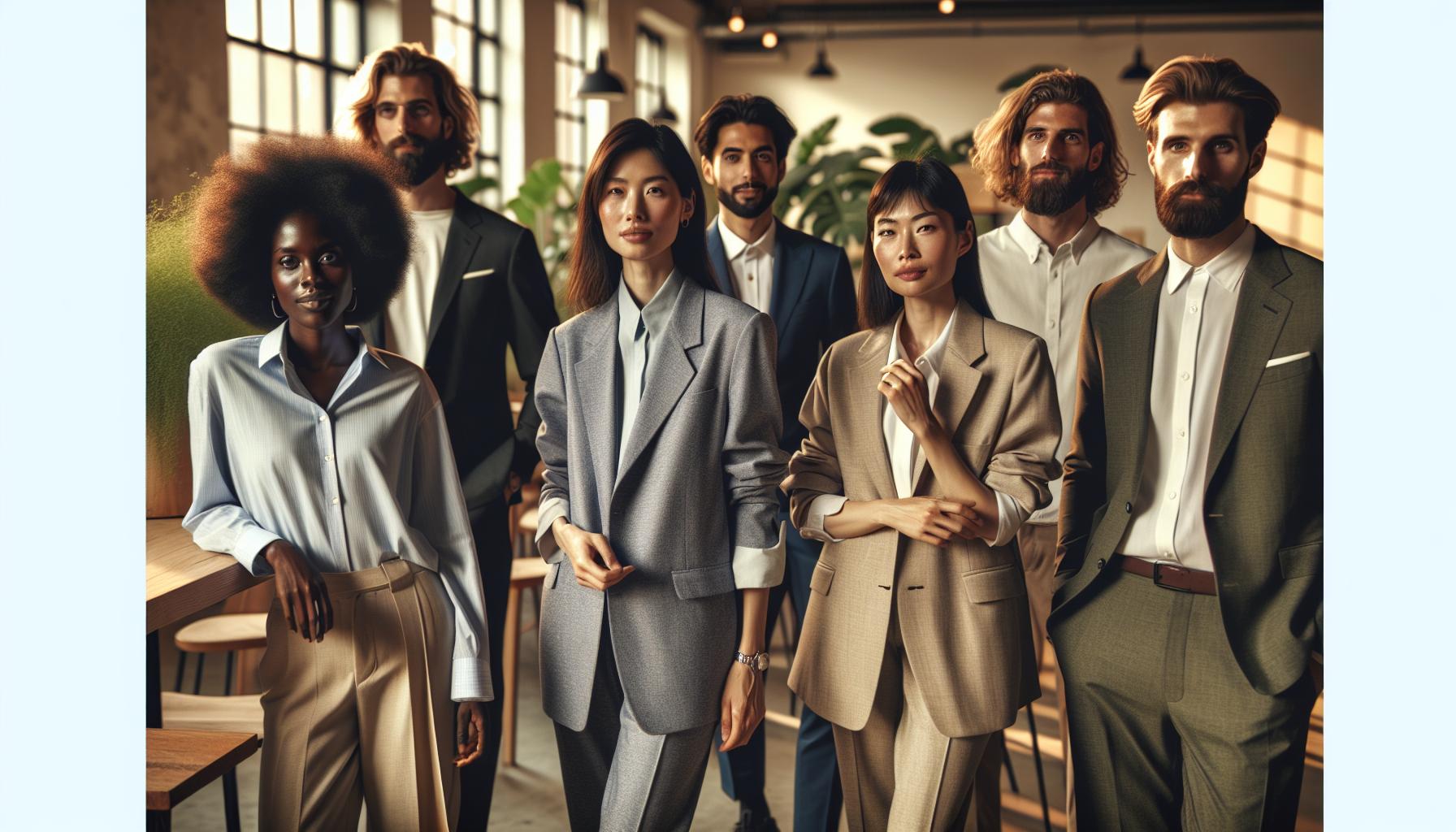
Sustainable and Ethical Choices in Business Attire
In today’s world, the importance of sustainability and ethics in business attire cannot be underestimated. As the corporate landscape evolves, professionals are increasingly scrutinizing the environmental impact and ethical implications of their clothing choices. Opting for sustainable business attire is not just a trend; it’s a commitment to responsible consumerism that reflects positively on both individual brands and overall corporate culture.
One effective approach to building a sustainable wardrobe is to focus on materials. Choose clothing made from eco-friendly fabrics such as organic cotton, Tencel, or recycled polyester. These materials not only reduce environmental harm but also offer comfort and breathability, enhancing the overall professional look. Furthermore, seeking brands that prioritize sustainable production practices, such as fair labor conditions and low-impact manufacturing processes, ensures that your attire supports social responsibility. Invest in timeless pieces that you can wear across multiple seasons and occasions, reducing the need for frequent replacements.
Another critical aspect involves understanding the life cycle of garments. Supporting brands that implement take-back programs or offer repair services can extend the lifespan of your clothing. This practice not only minimizes waste but also encourages a culture of reuse rather than fast fashion. When shopping, pay attention to labels for certifications such as Fair Trade or Global Organic Textile Standard (GOTS) to ensure that your clothing meets recognized sustainability standards.
Lastly, embrace the thrifting movement. Many men are successfully discovering high-quality, stylish attire at consignment shops or online second-hand platforms. Thrifting not only helps to reduce landfill waste but also adds a unique flair to your professional wardrobe, showcasing an individual style that stands out in the corporate arena. By integrating these sustainable and ethical choices into your professional attire, you not only enhance your personal brand but also contribute to a larger movement towards environmental stewardship and social responsibility.
FAQ
Q: What are the key components of business professional attire for men?
A: Business professional attire for men typically includes a tailored suit, a dress shirt, a tie, and dress shoes. The suit should be in conservative colors like navy or charcoal, while shirts can be white or light-colored. Accessories such as belts and watches should also be formal and understated.
Q: How should I choose the right color for my business professional outfit?
A: Opt for conservative colors like black, navy, gray, and white, which convey professionalism and authority. Consider color psychology: blue suggests trust and stability, while gray signifies professionalism. Adding subtle accents can elevate your look without being distracting.
Q: When is it appropriate to wear business professional attire?
A: Business professional attire is appropriate in traditional corporate environments, interviews, client meetings, and networking events. Always check the company’s dress code policy to ensure compliance with expectations in the workplace.
Q: What fabrics should I consider for business professional clothing?
A: Choose fabrics that provide comfort and professionalism, such as wool or high-quality blends, which are durable and breathable. Avoid overly casual fabrics like denim or cotton t-shirts, as they can appear too relaxed for a professional setting.
Q: How important is fit in business professional attire?
A: Fit is crucial in business professional attire; properly tailored clothing enhances your overall appearance. Ensure that suits and shirts fit well at the shoulders, sleeves, and waist to present a polished look. Investing in tailoring can make a significant difference.
Q: What accessories should I wear with business professional attire?
A: Choose minimalist accessories that complement your outfit, like a classic watch, leather belt, and matching dress shoes. A silk tie appropriate for the occasion can add a touch of personality, while pocket squares can enhance a suit without overwhelming it.
Q: Are there any common mistakes to avoid with business professional attire?
A: Avoid overly casual shoes, mismatched colors, or ill-fitting garments. Steer clear of flashy accessories or loud patterns that can distract from a professional appearance. Always ensure your clothing is clean, pressed, and suitable for the environment.
Q: How can I adapt my business professional attire for different seasons?
A: In colder months, layer with tailored overcoats and choose heavier fabrics like wool suits. For warmer weather, opt for lighter fabrics such as linen or lightweight cotton while maintaining a professional look. Make use of lighter colors to reflect the seasonal change.
For more tips on business professional attire, check out the sections on Essential Elements and Understanding Fit in your comprehensive guide.
To Wrap It Up
In summary, mastering business professional attire for men is essential for making a strong impression in the corporate world. From understanding the significance of a well-fitted suit to incorporating stylish accessories, these insights will help you elevate your professional wardrobe. Don’t wait to refine your style-investing in the right pieces today can enhance your confidence and career prospects.
For more tips and detailed guidance, explore our articles on business formal essentials and discover how to nail business casual looks without sacrificing professionalism. If you have any questions or want to share your own style journey, leave a comment below! Stay informed by signing up for our newsletter and unlocking exclusive insights tailored for your professional growth.