In the digital age, SMS remains a cornerstone of communication, directly linking users through mobile text messaging. However, when a message shows the status “Sent as SMS via Server,” many wonder if it indicates they’ve been blocked by the recipient. Understanding this nuance is crucial for anyone relying on SMS for personal or business communication, as it can significantly impact user experience and messaging strategy. Are you grappling with concerns about message delivery and recipient engagement? This article demystifies the implications of SMS delivery statuses, offering insights that could clarify your communication challenges. Continue reading to uncover the truth behind SMS statuses and ensure your messaging tactics are both effective and informed.
Understanding SMS Delivery Status: Key Terms Explained
Understanding SMS delivery status is crucial for businesses and individuals relying on message-based communication. It can determine how messages are perceived and whether they are received, opening the door for better engagement strategies. Key terms often encountered in the SMS ecosystem help clarify the message lifecycle, particularly when assessing delivery success.
When a message is labeled “Sent as SMS via Server,” it indicates that the SMS has been processed and sent through an SMS gateway or server rather than a direct carrier connection. This process can provide numerous advantages, such as message tracking, optimization for higher delivery rates, and management of bulk messaging campaigns. However, if the message fails to reach the recipient, understanding the status terms becomes essential.
Common delivery statuses include “Delivered,” “Sent,” and “Failed.” The distinction between “Delivered” and “Sent” is particularly important: a “Sent” status means the server successfully initiated the dispatch to the recipient’s carrier, while “Delivered” signifies that the message reached the intended device without issues. Issues can arise due to various factors, including network problems, recipient device settings, or even if the recipient has blocked the sender. By keeping track of these delivery statuses, businesses can better troubleshoot problems and improve their SMS communication strategies.
Each term and status plays a significant role in understanding the message delivery process and addressing possible issues effectively. By applying this knowledge, organizations can not only enhance their communication practices but also foster trust and reliability among their audience.
What Does “Sent as SMS via Server” Mean?
Understanding how your messages are dispatched can be pivotal when navigating the complex world of SMS communications. When a message is marked as “Sent as SMS via Server,” it implies that the message was processed and sent through an SMS gateway or server infrastructure, rather than being routed directly through a mobile carrier. This method harnesses the power of API-driven architecture, allowing for enhanced message management, real-time analytics, and improved delivery success rates.
Utilizing server-based SMS methods offers various advantages, such as the ability to manage large-scale messaging campaigns efficiently. For instance, businesses sending promotional text messages can benefit from features like automated scheduling and response tracking. Moreover, this infrastructure enables better integration with customer relationship management (CRM) systems, allowing businesses to tailor their communications based on user behavior and preferences. However, it’s essential to note that, despite the efficiencies gained through these systems, there may still be common delivery issues-such as instances where the recipient’s carrier encounters an error or where the recipient’s phone has specific settings that prevent message delivery.
It is critical for users to differentiate between various statuses like “Sent” and “Delivered.” When marked as “Sent,” this indicates that the server successfully dispatched the message to the recipient’s carrier. However, “Delivered” means the recipient’s phone has received the SMS, which directly impacts the effectiveness of your communications. If messages sent via server do not reach users, it doesn’t automatically imply you’re blocked; it could simply be a technical failure either on the server, the carrier, or within the recipient’s device settings. Thus, tracking the lifecycle of your messages through reliable SMS gateways becomes essential for diagnosing issues and ensuring effective communication.
In summary, knowing that a message was sent via server offers insights into the workflow of your SMS communications. It can enhance your strategic outreach by applying measures to mitigate potential delivery failures and optimize engagement across your audience. By understanding this distinction and the operational mechanics behind it, businesses can better strategize their SMS campaigns and communicate effectively with their patrons.
Common Reasons for SMS Delivery Issues
In the realm of SMS communication, delivery issues can be frustrating and detrimental to engagement strategies. Understanding the common reasons why SMS messages may fail to reach their intended recipients helps in diagnosing problems and optimizing messaging campaigns. Several factors can impact the successful delivery of messages sent via server, encompassing both technical and user-side variables.
Technical Issues
One of the primary culprits behind SMS delivery failures is technical issues within the SMS gateway or carrier network. These can include server downtimes, misconfigurations in API setups, or bandwidth limitations during peak times. Additionally, a poorly configured SMS gateway can lead to messages being stuck in queue or not sent at all. Monitoring the health of your SMS server and conducting routine performance checks can help mitigate these risks.
Carrier Limitations
Carrier issues can also significantly hinder message delivery. Each mobile network has its own specific policies regarding message throughput, which may result in throttling during high-traffic events, leading to delayed or dropped messages. Certain carriers may impose restrictions on bulk messages from unknown sources, marking them as spam. Understanding the constraints of the recipient’s carrier can guide businesses in adjusting their messaging strategies accordingly.
Device Settings
User-specific factors often play a critical role in SMS delivery effectiveness. If a recipient has enabled “Do Not Disturb” features or has set strict filtering protocols, your message may not appear on their device. Additionally, a full SMS inbox can prevent new messages from arriving. Encouraging your audience to check their settings or even providing them with a simple troubleshooting guide can improve delivery rates.
Regulatory Compliance
Compliance with regulations such as the General Data Protection Regulation (GDPR) and the Telephone Consumer Protection Act (TCPA) is crucial. Failure to adhere to these rules not only risks hefty fines but can also lead to carriers blocking your messages. Ensuring you have received proper opt-ins from recipients and keeping abreast of legal requirements is essential to maintaining the integrity of your messaging system.
By understanding and addressing these , businesses can enhance their communication strategies, reduce the likelihood of messages not reaching their audience, and ultimately increase engagement effectiveness.
How to Determine If You’re Blocked
Determining if your SMS messages are being blocked can be a frustrating experience, but there are several indicators that can help you assess the situation. When you see “Sent as SMS via Server,” it could imply a successful dispatch from your end, but it doesn’t guarantee delivery to the recipient. Here’s how to discern whether your communications are being impeded.
One of the first steps in assessing delivery challenges is to monitor your message status updates. If you frequently observe that messages remain in a “pending” state or are not receiving any “delivered” confirmations, it may suggest blocking at some level. Additionally, keep an eye on the feedback from your SMS gateway. Many providers give insights into message handling, including delivery reports or error codes that may indicate if messages are being rejected by the recipient’s carrier.
Next, consider reaching out to the recipient through an alternative communication channel. If you can successfully connect and they confirm not receiving your SMS, this reinforces the possibility of being blocked. Recipients have various settings that can inadvertently hinder message reception, such as filtering options for unknown numbers or spam settings. Encourage them to check their device settings or whitelist your number to facilitate smoother communication.
Lastly, keep in mind that the broader context of regulatory compliance may also come into play. If your SMS content inadvertently violates rules such as those set forth by the Telephone Consumer Protection Act (TCPA), your messages might be flagged or blocked by carriers. Review your messaging practices to verify that you have proper opt-ins from recipients, which is crucial in preventing potential blocking due to compliance issues.
By staying proactive and attentive to these indicators, you can better navigate the complexities of SMS communication and take appropriate measures to restore effective dialogue with your audience.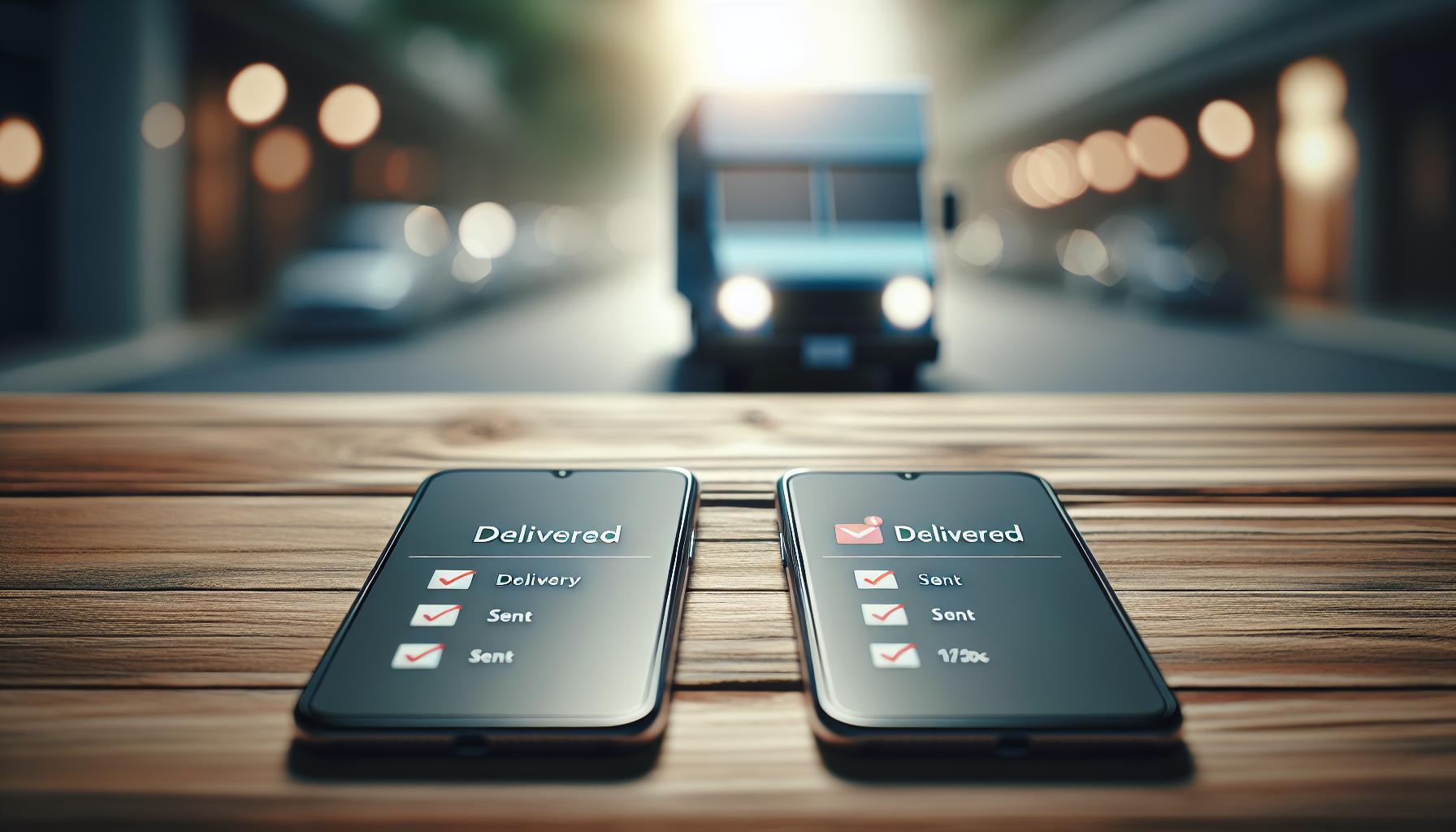
Differences Between “Delivered” and “Sent” Status
Understanding the nuances of SMS delivery statuses is essential for effective communication. When an SMS is sent, it can either display “Sent” or “Delivered” status, and these terms carry distinct meanings that have important implications for users.
“Sent” indicates that the message has been successfully transmitted from the sender’s device to the SMS gateway, but it does not confirm that the message has reached the recipient’s device. This status can often include messages that are still in the process of being routed through various networks. In contrast, a “Delivered” status confirms that the recipient’s mobile device has received the message. This distinction is crucial: if a message shows as “Sent” without transitioning to “Delivered,” it may suggest potential issues such as network congestion, incorrect recipient numbers, or, in some cases, the possibility that the recipient has blocked future messages.
To further illustrate, consider an example where a business sends reminder texts to clients for upcoming appointments. If the message status remains as “Sent,” the business faces uncertainty whether their communication has reached the client. Consequently, they may follow up through other channels, indicating a potential inefficiency in communication strategies. Understanding these statuses can guide organizations to investigate issues further and optimize their messaging systems, ensuring more effective outreach.
In summary, keeping a close eye on SMS delivery statuses is not just about knowing if a message was sent; it’s also about understanding the recipient’s engagement and ensuring successful two-way communication. By comprehensively analyzing these statuses, businesses can enhance their SMS strategies, improving customer interactions and reducing potential frustrations related to undelivered messages.
The Role of SMS Gateways in Message Delivery
The effectiveness of SMS communication often hinges on the role of SMS gateways, which serve as the crucial link between the sender’s device and the recipient’s mobile phone. An SMS gateway is a technology that allows for the sending and receiving of text messages between mobile networks and applications, streamlining the process by which messages are transmitted. Whether for bulk messaging or individual communications, understanding how these gateways operate can significantly enhance communication strategies.
Once a message is initiated, it is transmitted to the SMS gateway first, which then forwards it to the appropriate mobile network for delivery to the recipient. This system enables businesses to send messages at scale while managing the complexities of different carriers and network protocols. Because SMS gateways handle the intricacies of routing messages across diverse systems, they mitigate delays and improve the reliability of message delivery. A well-configured gateway can also provide delivery reports, enabling businesses to track whether messages are “Sent,” “Delivered,” or have encountered issues, helping to resolve potential delivery problems efficiently.
In the context of determining if “Sent as SMS via Server” indicates a block, it’s essential to recognize what happens within the SMS gateway. If a message remains in the “Sent” state, this might point to complications within the gateway’s communication with the recipient’s network, rather than an outright block by the recipient. Issues could range from network congestion to incorrect routing paths. It’s advisable for users to review their system configuration and logs for any errors, as these insights can reveal whether the problem lies in the gateway or the recipient’s end.
For organizations looking to maximize their SMS communications, here are a few best practices when working with SMS gateways:
- Choose a reliable SMS gateway provider: Ensure they have strong connectivity with various carriers and a good track record of message delivery.
- Implement redundancy: Utilize multiple gateways to avoid single points of failure, increasing the likelihood of message delivery.
- Monitor performance metrics: Regularly assess delivery rates and error reports to proactively address issues.
- Be mindful of compliance: Ensure your messaging practices comply with regulations to avoid deliverability issues.
By leveraging the capabilities of SMS gateways and understanding their operational intricacies, businesses can optimize their messaging strategies, minimize delivery issues, and enhance overall communication effectiveness.
Technical Insights: How SMS Servers Work
Understanding the mechanics of SMS servers is crucial for any professional involved in SMS communication. At the heart of SMS messaging is the SMS server, which plays a pivotal role in transmitting messages from one device to another. When a text message is sent, it first reaches an SMS gateway, where the server processes the request and directs it to the appropriate mobile network. This intricate process ensures that messages are delivered efficiently and reliably across varying network architectures.
The SMS server operates on a client-server model, where the sending application acts as the client and the SMS server acts as the intermediary. Upon receiving a message, the server parses it, checks for formatting errors, and verifies the destination number. It then queues the message for dispatch, managing retries in case of delivery failure due to temporary issues like network congestion. This system requires robust architecture, often implemented with software such as SMPP (Short Message Peer-to-Peer) protocol, which facilitates the communication between the SMS server and the mobile network operators.
For businesses, understanding SMS server configurations can lead to better control and optimization of communication strategies. Here are a few key considerations in setting up and maintaining SMS servers:
- Server Configuration: Properly configure the SMS server settings, including message queue size and throughput limits, to handle peak loads without delay.
- API Integration: Implement effective API integrations between your application and the SMS server to automate message sending and status updates without manual intervention.
- Monitoring Tools: Utilize monitoring tools to track delivery success rates and server performance, enabling proactive measures in case of issues.
Through strategic management of SMS server operations, businesses can not only enhance message delivery reliability but also gain insights into user engagement and behavior, ultimately leading to more effective communication outcomes.
Troubleshooting Server-Sent SMS Problems
Experiencing SMS delivery issues can be frustrating, especially when dealing with server-sent messages. Understanding the various troubleshooting steps can clarify whether an SMS was blocked or simply encountered a transient issue. The first step is to confirm whether the message was successfully sent to the SMS gateway. If a message shows as “Sent via Server,” it typically indicates that the SMS server has processed your request, but does not guarantee successful delivery to the recipient’s mobile device.
One common issue that may interfere with SMS delivery is network congestion. High traffic levels can lead to delays or failures in message transmission. In such cases, it’s advisable to monitor the server status and reset it if errors are detected. Additionally, check the SMS server logs for any warning messages or errors that can provide insight into the failure.
Next Steps for Troubleshooting:
- Verify Recipient Number: Ensure that the phone number is in the correct format and that the recipient can receive SMS messages.
- Monitor Network Performance: Use tools to assess if there are any outages or ongoing issues with mobile carriers.
- Consult SMS Gateway Logs: Review logs for any alerts that may indicate blocked messages due to compliance issues or rate limiting.
- Retry Mechanisms: Implement automatic retries in your SMS sending application to account for temporary issues on the network.
If a large number of messages exhibit similar delivery issues, consider reaching out to your SMS provider for further assistance. They may offer insights into potential carrier-level problems or restrictions that could be affecting your SMS delivery.
Best Practices for Effective SMS Communication
Effective SMS communication is an essential part of today’s digital interaction landscape, as it can significantly enhance customer engagement and operational efficiency. Understanding the nuances of SMS delivery and the intricacies of server-sent messages can play a pivotal role in optimizing your SMS strategy. Here are several best practices to ensure your SMS campaigns succeed and avoid misconceptions about delivery status.
First and foremost, maintain a clear message strategy. SMS is inherently limited to 160 characters, so clarity and conciseness are crucial. Incorporate a strong call to action, and prioritize the most important information upfront to capture the recipient’s attention immediately. Use personalization where possible, addressing recipients by name or customizing offers to their preferences, which can significantly improve engagement rates.
Next, leverage SMS gateways effectively. When sending messages via an SMS gateway, ensure that your messaging volume is in line with your service provider’s policies to avoid throttling or blocking. Understand the functionality of your gateway, including its ability to report back on delivery status, and utilize features like message scheduling and segmentation to enhance your campaigns. Regularly monitor and analyze delivery reports to optimize future messaging strategies.
Another vital aspect is ensuring that your SMS content complies with regulations. Adhering to opt-in and opt-out practices will not only protect your organization from potential fines but also enhance trust with your clientele. Always provide clear instructions on how recipients can unsubscribe from future messages. This practice not only fosters a better relationship with your audience but also helps maintain your sender reputation, ensuring a higher delivery rate for future messages.
Finally, keep an eye on your technical setup, including API integration and server configuration. Regularly audit your infrastructure for any bottlenecks or errors that could affect message delivery. Implement automated monitoring tools to actively track server health and performance, which can provide real-time insights into potential disruptions. By adopting these proactive measures, you can ensure a smoother experience and more reliable communications, ultimately minimizing the risk of being perceived as blocked or unreachable by your recipients.
Implementing these best practices can significantly elevate your SMS communication strategy, leading to better engagement, reduced delivery issues, and an enhanced overall user experience.
How to Unblock Yourself: Steps to Take
Understanding how to navigate potential blocks in SMS communication is crucial for maintaining effective outreach. While it might be disheartening to suspect that your messages aren’t getting through, there are concrete steps you can take to potentially unblock yourself and regain connectivity.
Start by reviewing your messaging practices. Ensure that you’re not exceeding the carrier’s limits on message frequency or volume. Sending too many messages in a short period can lead to temporary blocking. Here are a few specific measures you might consider:
Steps to Unblock Yourself
- Monitor SMS Responses: Observe if contacts have opted out or have reported your messages as spam. If recipients respond unfavorably, adjust your communication strategy and remove such contacts from your list.
- Check SMS Compliance: Adhere strictly to regulations regarding opt-in and opt-out practices. Ensure that your messages provide clear unsubscribe options, as failure to comply can lead to blocks.
- Review Message Content: Analyze the content of your messages. High incidence of spam keywords or promotional content lacking value may trigger blocks. Consider recalibrating your approach by including personalized and relevant information.
- Consult Your SMS Gateway Provider: Reach out to your provider to understand any specific issues related to your sending number. They can provide insights into delivery status and help diagnose whether you’ve been blocked or if there are issues on their end.
- Test with Different Numbers: Experiment by sending messages from different numbers or utilizing various sender IDs. This can help determine if the issue is isolated to a specific number.
If you’ve taken these steps and still experience issues, it may be necessary to reassess your server configuration.
Optimize Your Technical Setup
Remain proactive by regularly auditing your server infrastructure. Verify that your API integrations are working smoothly and that your SMS gateway settings are correctly configured. Consider implementing monitoring tools to track server health and message delivery in real-time.
By addressing both the practical and technical aspects of your messaging strategy, you can work toward unblocking your SMS communications effectively. It’s essential not only to focus on immediate solutions but also to build a sustainable communication practice that fosters positive recipient engagement, ensuring that your messages continually reach their intended audiences.
Potential Limitations of Server-Sent SMS
often stem from a combination of infrastructural, regulatory, and user behavioral factors that can impede successful message delivery. Understanding these constraints is essential for optimizing SMS communication strategies. A common issue involves message filtering systems employed by carriers, which can erroneously classify messages as spam based on various parameters such as content, frequency, or the behavior of the sending number. Consequently, even legitimate messages may not reach their intended recipients, causing frustration for businesses relying on these communications.
Another significant limitation is related to the technical infrastructure; factors such as server performance, poor API integration, or misconfigured SMS gateways can greatly affect delivery rates. For example, if your messaging server experiences downtime or is misconfigured to send messages at a rate higher than what the carrier allows, it could result in messages being delayed or dropped entirely. Regular audits and performance monitoring are crucial in diagnosing these issues early and ensuring that the infrastructure supports high availability and performance.
Regulatory compliance also plays a critical role in SMS delivery. In many regions, regulations dictate how messages can be sent, stored, and responded to, especially concerning consent and opt-out mechanisms. Failure to comply can lead to being blacklisted by carriers, further limiting your ability to send messages effectively. Thus, businesses must stay informed about local regulations and proactively establish robust opt-in practices to maintain compliance.
Additionally, user behavior, such as frequent reporting of messages as spam or opting out from communications, can significantly impact the sender’s reputation and, subsequently, their delivery capacity. Monitoring engagement metrics and adjusting messaging strategies accordingly can help mitigate such risks. By acknowledging and addressing these limitations, businesses can enhance their SMS communication efficiency, ensuring messages not only reach their audience but are also well-received.
When to Contact Your SMS Provider for Support
When using SMS services, it’s crucial to understand when to reach out to your SMS provider for assistance. If you encounter issues such as messages being marked as “Sent as SMS via Server” without being delivered, it may raise concerns about being blocked. However, this status can arise from several factors, and the first step is to analyze the situation before taking action.
Should you notice consistent delivery failures, it’s advisable to contact your SMS provider. Frequent undelivered messages can stem from technical issues such as misconfigured SMS gateways or API integration problems. These could result in improper routing of messages or throttling by the carrier. Providers can assist in troubleshooting these issues, assessing server logs, and determining the exact cause of the disruptions.
Additionally, if you experience unexpected changes in your delivery metrics-like drops in confirmation rates or an increase in complaints-it may indicate that your number is being flagged as spam. In such cases, contacting your provider can help you navigate the compliance landscape, ensuring that your messaging practices align with industry regulations and that your messaging reputation is preserved.
Lastly, consider reaching out if you suspect permanent blocking. If your numbers have been consistently routed to the server without being successfully delivered and you’ve ruled out technical errors, your provider can investigate whether your messages are being filtered out by carrier systems. They can also guide you on next steps, such as changing your number or adjusting your messaging strategy to regain compliance and enhance visibility.
By maintaining open lines of communication with your SMS provider, you can swiftly address issues, optimize delivery rates, and ensure effective SMS communication for your business needs.
Faq
Q: What does it mean if my SMS is “blocked”?
A: If your SMS is “blocked,” it means the intended recipient’s device or network has rejected your message. This could happen due to various reasons, including the recipient’s phone settings or restrictions imposed by their mobile carrier. For more insights, check the section on troubleshooting server-sent SMS problems.
Q: How can I tell if my SMS was delivered?
A: To determine if your SMS was delivered, check for a “Delivered” status on your messaging platform. This confirms that the message reached the recipient’s device. However, “Sent as SMS via Server” may not always guarantee delivery, especially if the recipient is blocked. More details are available in the “Differences Between ‘Delivered’ and ‘Sent’ Status” section.
Q: What factors can cause SMS delivery failures?
A: SMS delivery failures can occur due to incorrect phone numbers, network issues, or blocked messages by the recipient’s device or carrier. Additionally, if the SMS gateway experiences downtime, messages may not get sent. Review the section on common reasons for SMS delivery issues for a comprehensive list.
Q: Can I unblock myself if my SMS is not being delivered?
A: Yes, you can often unblock yourself by contacting the recipient or clearing any communication blocks on your end. Reviewing your messaging service’s settings can also help. For specific steps, refer to the “How to Unblock Yourself: Steps to Take” section in the article.
Q: Why is my SMS showing “Sent as SMS via Server”?
A: “Sent as SMS via Server” indicates that your message was processed through an SMS gateway rather than traditional means. This can affect delivery depending on server reliability and configuration. Understanding SMS gateways can provide more context-see the role of SMS gateways in message delivery.
Q: What should I do if my SMS service provider reports issues?
A: If your SMS provider reports issues, immediately check their status page or support channels for updates. Additionally, ensure your server settings and API integrations are correctly configured. If problems persist, refer to the section on when to contact your SMS provider for support.
Q: Are there limitations to using server-sent SMS?
A: Yes, limitations may include delivery delays, potential blocking by carriers, and restrictions based on recipient settings. Understanding these limitations can aid in crafting effective SMS strategies, as explored in the “Potential Limitations of Server-Sent SMS” section of the article.
Q: How does SMS routing impact delivery success?
A: SMS routing impacts delivery success by determining the path your message takes through network operators to reach the recipient. Inefficient routing can lead to delays or non-delivery. For deeper insights, check the article’s technical insights on how SMS servers work.
Insights and Conclusions
Understanding whether your SMS messages are being blocked can be crucial for maintaining effective communication with your audience. Remember, if you notice delivery issues, it’s essential to investigate potential causes like server settings or message content, as these factors can influence deliverability. Don’t let uncertainty hold you back-take the next step to optimize your SMS strategy.
For more insights on enhancing your SMS marketing, check out our guides on how to create a high-impact SMS marketing strategy and the latest SMS marketing statistics that can inform your approach.
Engage with us in the comments below if you have questions or experiences to share. Don’t forget to explore our resources to ensure you’re maximizing your SMS efforts and ensuring smooth communication flow. Your effective SMS strategy starts with informed decisions-take action today!