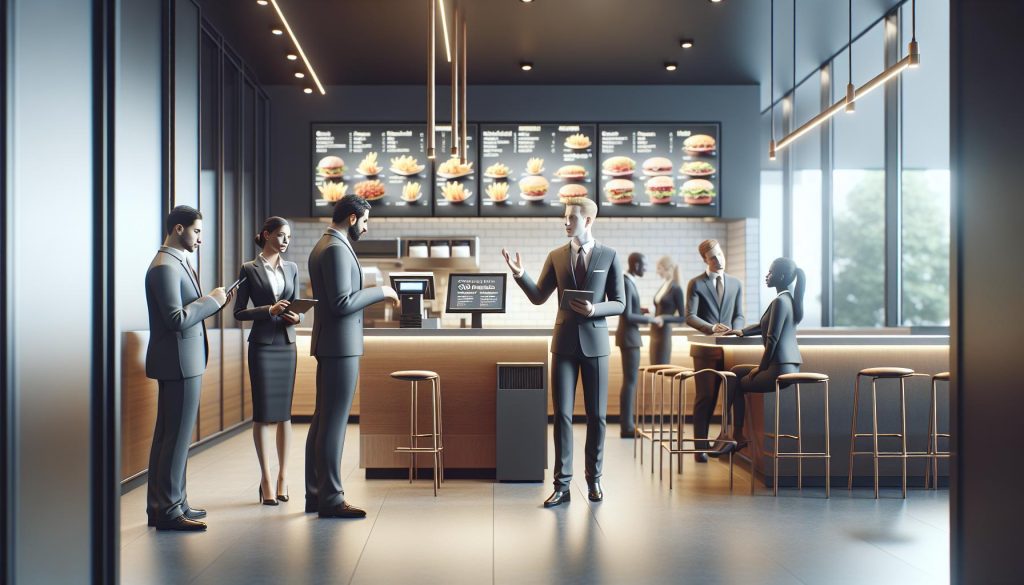
In today’s fast-paced business landscape, the term QSR, or Quick Service Restaurant, stands out as a crucial concept within the food industry. These establishments serve quick, affordable meals and are renowned for their efficiency and limited menu offerings, appealing to the busy lifestyles of consumers. Understanding what QSR means is essential for entrepreneurs, marketers, and industry stakeholders seeking to navigate this competitive sector. As the demand for fast, convenient dining options continues to rise, delving into the intricacies of QSR can reveal insights into consumer behavior, operational strategies, and growth opportunities. Join us as we explore the full scope of QSR and its significance in driving success in the restaurant business.
Understanding QSR in the Business Landscape
The quick service restaurant (QSR) sector stands as a dynamic and essential component of the global food landscape, catering to an increasing demand for speed and convenience. As urban lifestyles evolve, consumers are gravitating towards options that not only promise swift service but also offer the flexibility to enjoy meals on the go. The QSR model emphasizes rapid customer service, typically featuring a streamlined menu of ready-to-eat meals and beverages. This focus allows establishments to serve a high number of patrons efficiently, distinguishing them from traditional dining options.
In the modern business environment, QSRs have adapted to meet the shifting preferences of consumers. Many operators leverage technology to enhance customer experiences, such as through mobile ordering apps, self-service kiosks, and tailored marketing that targets specific demographics. These innovations are not merely conveniences; they enable restaurants to optimize operations, reduce wait times, and increase order accuracy. For instance, integrating digital ordering can lead to higher sales volumes during peak hours, as customers can place their orders without waiting in long lines.
With economic challenges and changing consumer expectations, the QSR industry continually reassesses its strategies to maintain relevance. Operators must navigate through complex supply chains, labor shortages, and rising food costs, all while keeping pace with health trends and sustainability practices. The ability to incorporate feedback, swiftly adapt to new dining preferences, and anticipate market demands will determine long-term success. By focusing on a customer-centric approach and embracing innovative solutions, QSRs can thrive amidst evolving business landscapes while contributing to the broader culinary culture.
The Evolution and Significance of QSR
In the contemporary landscape of dining, quick-service restaurants (QSRs) have swiftly evolved into ubiquitous and significant players within the global food industry. Originally coined as “fast food,” the QSR model emphasizes not just the speed of service but also the accessibility and affordability of meals, catering to a diverse range of consumers. In an age where urbanization pushes lifestyles towards quicker, more efficient dining experiences, QSRs have adapted remarkably, continuously innovating to keep up with ever-changing consumer expectations and preferences.
Historically, QSRs emerged during the mid-20th century, with chains like McDonald’s and Burger King defining the sector. These establishments capitalized on the notion of consistency and convenience, creating an appealing experience where customers could expect the same meal quality and service speed regardless of location. As consumer behaviors shifted, marked by an increasing preference for healthier and more diverse options, QSRs responded by expanding their menus to include more varied and nutritious items, such as salads, wraps, and plant-based options. This adaptation not only caters to health-conscious diners but also addresses the demands of a more environmentally aware customer base looking for sustainable practices integrated into their dining choices.
The significance of QSRs extends beyond mere convenience; they play a crucial role in global economies. They create numerous jobs, contribute to local and national economies, and foster a culture of innovation in service delivery. In recent years, with advancements in technology, QSRs have begun harnessing tools like mobile apps, online ordering systems, and data analytics to enhance customer engagement and streamline operations. This technological evolution is paving the way for personalized marketing strategies and targeted promotions that resonate with specific demographics, ultimately leading to increased loyalty and higher sales.
As QSRs continue to shape the dining landscape, their evolution signifies a broader trend towards a seamless integration of speed, quality, and convenience in food service. The ongoing challenge lies in balancing cost efficiency with premium customer experiences, ensuring that as they evolve, they remain a cornerstone of the modern dining experience.
Key Characteristics of Quick Service Restaurants
Quick-service restaurants (QSRs) are characterized by several distinctive features that set them apart in the competitive food service landscape. Understanding these traits is essential for recognizing what makes QSRs so successful and appealing to consumers today.
One of the most defining characteristics of QSRs is their promise of speed. Customers gravitate towards these establishments for their ability to deliver meals rapidly, often within minutes of placing an order. This efficiency is achieved through streamlined cooking processes, pre-prepared ingredients, and well-trained staff focused on minimizing wait times. Coupled with a simplified menu that typically includes a limited selection of items, QSRs can serve customers quickly while maintaining consistency-a hallmark of brands like McDonald’s and Burger King.
Cost-effectiveness is another cornerstone of the QSR business model. By focusing on high volume sales and low overhead costs, QSRs can offer meals at attractive price points. This affordability appeals to a broad demographic, making them a popular choice for families and individuals alike. In addition, many QSRs implement value menus and combo meals to enhance perceived value, further enticing customers.
Moreover, QSRs excel in adaptability and innovation. As consumer preferences evolve, these restaurants consistently update their menus to include healthier options, plant-based items, and international flavors. This responsiveness not only keeps the offering fresh but also attracts health-conscious diners and those seeking variety. For example, chains like Taco Bell and Subway have successfully incorporated healthier and customizable dining options into their menus, demonstrating market awareness and agility.
Lastly, the integration of technology cannot be overstated in the QSR sector. Many quick-service establishments leverage mobile apps for ordering and payments, enhancing customer convenience and streamlining operations. Additionally, data analytics plays a critical role in understanding consumer preferences and optimizing marketing strategies. As fast technology continues to shape customer expectations, QSRs that leverage these advancements will position themselves for ongoing success and relevance in the rapidly changing food service industry.
Differences Between QSR and Full-Service Restaurants
Quick-Service Restaurants (QSRs) and full-service restaurants (FSRs) represent two distinct paradigms within the food service industry, each catering to varying consumer needs and preferences. Understanding these differences is critical for entrepreneurs, operators, and stakeholders seeking to navigate this complex landscape effectively.
One of the most fundamental contrasts lies in the service model. QSRs are designed for speed and convenience, with customers placing orders directly at a counter or via drive-thru and receiving their meals in a matter of minutes. This quick turnaround is achieved through minimal interaction with staff, a limited menu, and efficient cooking strategies. In contrast, FSRs focus on a more leisurely dining experience, often providing table service where customers sit, order from a broader menu, and engage with servers to receive a more personalized dining experience. This model is typified by higher meal prices and a longer dining duration.
Menu and Pricing Strategies
QSRs typically offer a streamlined menu that emphasizes popular items in a fast-food format, which allows for lower operational costs and higher sales volume. Price points are generally lower, with promotional deals and value meals designed to attract a wide demographic, including families and young consumers. FSRs, conversely, may present diverse, gourmet options that reflect culinary trends and offer a greater emphasis on the dining experience, which justifies a premium pricing strategy. This differentiation means consumers often choose QSRs out of necessity for speed and affordability, while FSRs are selected for celebrations or special occasions.
Operational Considerations
Operational aspects further differentiate these two restaurant models. QSRs often require less staff per shift due to a focus on automated processes and assembly line-like kitchens, which enhances efficiency. Conversely, FSRs require extensive staffing to manage service, kitchen preparation, and customer engagement, leading to higher payroll costs. The management of QSR operations often involves significant emphasis on drive-thru service, delivery, and online ordering systems to match consumer expectations for speed, while FSRs invest in ambiance, customer service training, and often more elaborate food preparation methods.
Ultimately, the choice between QSR and FSR business models hinges on understanding the target market’s preferences, operational strengths, and strategic goals. By grasping these differences, operators can better align their business strategies, marketing efforts, and customer engagement practices with consumer expectations in a competitive landscape.
Top Industry Players: Leading QSR Brands
The quick-service restaurant (QSR) industry is dominated by several key players that have successfully carved out their niches in a highly competitive landscape. These brands not only represent the pinnacle of QSR operational excellence but also significantly influence consumer choices and industry trends. Understanding these leading QSR brands provides valuable insights into market strategies, innovative practices, and evolving consumer preferences.
Among the giants, McDonald’s stands out as one of the most recognizable fast-food restaurants globally. With a menu emphasizing burgers, fries, and breakfast items, McDonald’s has mastered the art of consistency and speed, serving millions daily. Their proactive approach to menu diversification-introducing health-conscious options and seasonal specialties-keeps the brand relevant to shifting consumer tastes.
Subway also plays a crucial role in the QSR landscape. Known for its customization model, Subway allows customers to personalize their sandwiches, aligning with the growing demand for healthier and more personalized meal choices. This emphasis on fresh ingredients and customer involvement underscores a fundamental shift in consumer preferences toward more nutritious and transparent eating options.
- Starbucks is another major player, innovating not just with beverages but also with its food offerings, aiming to fuse quality with convenience. Their investment in digital ordering and rewards programs has reshaped customer engagement by providing seamless integration of service and loyalty.
- Taco Bell caters to a distinct market segment with a menu that features bold flavors and affordability, appealing particularly to younger demographics seeking quick and value-oriented dining.
- KFC (Kentucky Fried Chicken) has adapted its traditional Southern food offerings to cater to global tastes, extending its reach and loyalty through localized menu items, which have become integral to its international strategy.
While these brands maintain their stronghold, emerging players are innovating through technology. Companies like Chick-fil-A leverage operational technology, such as mobile ordering and artificial intelligence for forecasting demand, to enhance service efficiency.
Understanding the strategies employed by these leading QSR brands can offer invaluable lessons for new entrants and existing players looking to thrive in a continuously shifting market landscape. The combination of strong brand management, customer engagement, and technological innovation sets these leaders apart in the competitive world of quick-service restaurants.
The Role of Technology in QSR Success
The rapid evolution of technology in the quick-service restaurant (QSR) industry is transforming the way restaurants operate and engage with customers. Digital innovations not only enhance operational efficiency but also reshape consumer experiences, making technology a cornerstone for success in this competitive landscape. For instance, the implementation of mobile ordering and payment systems simplifies the customer experience, allowing patrons to order ahead and pick up their meals quickly, thus reducing wait times and improving satisfaction.
Artificial intelligence (AI) is another significant player in the technology revolution within QSRs. Restaurants are utilizing AI to forecast demand accurately, manage inventory better, and analyze customer preferences. This data-driven approach enables QSRs to optimize their menus based on real-time analytics, catering to customer demands while minimizing waste. Companies like Chick-fil-A exemplify this technology adoption, leveraging AI not only for operational efficiency but also for enhancing the customer loyalty experience through personalized promotions.
Moreover, the integration of digital kiosks and self-service technology has reshaped the traditional ordering process. These innovations allow customers greater control over their orders, enabling customization while streamlining operations for staff. QSRs can enhance their staff efficiency by redirecting focus from taking orders to food preparation and customer service. Fast-food giants have shown that investing in technology is not merely about keeping up with trends but about driving profitability and establishing a competitive advantage.
In summary, is multifaceted, impacting everything from operational efficiency to customer satisfaction. As QSRs continue to embrace digital solutions, they not only meet current consumer expectations but also position themselves for future growth in an increasingly tech-driven market.
Consumer Trends Impacting the QSR Sector
Consumer preferences are continuously reshaping the landscape of quick-service restaurants (QSRs), as they adapt to reflect changing lifestyles, values, and expectations. One significant trend has been the increasing demand for healthier meal options. Consumers are becoming more health-conscious, seeking out menus that boast fresh ingredients, lower calorie counts, and transparency regarding nutritional information. As a response, many QSRs are revising their offerings, integrating salads, grain bowls, and plant-based proteins to attract this burgeoning segment of the market. Chains like Subway and Chipotle exemplify this shift, highlighting healthier choices on their menus while still maintaining the convenience that QSRs are known for.
Another compelling trend is the influence of technology on consumer engagement. The rise of mobile apps and loyalty programs has transformed how consumers interact with QSRs. Customers are increasingly opting for order-ahead capabilities and digital payment options to reduce wait times and streamline their experience. Implementing AI-driven recommendations and personalized offers not only caters to consumer preferences but also enhances customer loyalty. As fast food moves towards becoming “fast casual,” companies like Starbucks and Domino’s are leading by example, showcasing how seamless tech integration can improve sales and customer satisfaction.
Sustainability is also becoming a crucial factor in consumer decision-making. Many patrons are now evaluating the environmental impact of their food choices, prompting QSRs to focus on sustainable practices. This includes sourcing ingredients responsibly, reducing waste through better inventory management, and utilizing eco-friendly packaging. Brands that showcase their commitment to sustainability not only attract eco-conscious consumers but also improve their overall brand image. A good case in point is McDonald’s, which has made strides towards more environmentally friendly packaging and sourcing practices, appealing to a growing demographic that prioritizes sustainable consumption.
Lastly, the increase in remote work has altered dining patterns. With more people working from home, QSRs are noticing shifts in peak hours and purchasing behaviors. Offering new meal options tailored for lunch and dinner, along with expanded delivery services, allows QSRs to meet consumer demand effectively. Adapting to these trends ensures that QSRs remain relevant and competitive in an ever-evolving marketplace. By embracing these consumer-driven trends, quick-service restaurants can not only enhance customer satisfaction but also position themselves for sustained growth.
Understanding QSR Business Models and Strategies
The quick-service restaurant (QSR) industry thrives on efficiency, speed, and adaptability, making its business models distinctly tailored to meet the dynamic demands of consumers. Central to understanding these models is the emphasis on streamlined operations, which often utilize franchises to expand reach without the significant capital investment associated with traditional full-service restaurants. This not only minimizes overhead costs but also allows for rapid scaling based on local market demands.
A crucial component of effective QSR strategies involves menu engineering, which is the science of optimizing menu items to enhance sales and cater to consumer preferences. This often includes offering combination meals that provide value while meeting dietary trends, such as plant-based or low-carb options. Additionally, dynamic pricing strategies can maximize revenue during peak hours. For instance, some chains implement different price points for breakfast versus lunch to capture diverse demographics throughout the day.
Technology and QSR Efficiency
Integration of technology serves as a backbone for modern QSR operations. Point-of-sale (POS) systems have evolved to include integrated payment solutions, inventory management, and customer relationship management (CRM) tools. These technologies enable QSRs to analyze sales data in real-time, allowing for more informed decisions regarding staffing and inventory levels. Furthermore, mobile ordering apps and loyalty programs not only streamline the purchasing process but also foster customer retention through personalized marketing tactics and rewards systems.
Also critical is the supply chain management that ensures freshness and sustainability of ingredients while controlling costs. Leading QSRs often adopt just-in-time (JIT) inventory strategies, reducing waste and increasing profitability. This involves working closely with suppliers to manage stock levels tightly aligned with demand forecasts, ensuring that popular items remain available while minimizing spoilage.
In conclusion, effective business models and strategies in the QSR landscape hinge on a combination of efficient operations, technology integration, and consumer-centric menu design. This holistic approach not only meets the immediate needs of diners seeking convenience but also positions QSR brands for long-term growth by adjusting to evolving market demands and technological advancements.
Challenges Faced by QSR Operators Today
The quick-service restaurant (QSR) industry faces an array of challenges that can impact profitability and operational efficiency. As consumer preferences shift rapidly, QSR operators must navigate a complex landscape requiring agility and adaptability. One significant issue is the pressure to maintain food quality and safety standards amid rising operational costs. With increased scrutiny regarding health inspections and food sourcing, QSRs must invest in robust supply chain practices to guarantee ingredient freshness and transparency while keeping costs manageable.
Additionally, labor shortages pose a considerable challenge in attracting and retaining skilled employees. This has intensified in the wake of the COVID-19 pandemic, leading to a competitive hiring landscape where many QSR operators struggle to fill positions. To combat this, many new strategies have emerged, such as offering more flexible schedules, better training programs, and improved wages and benefits, which can ultimately enhance employee satisfaction and reduce turnover.
Further complicating operational dynamics are the shifting consumer trends towards sustainability and ethical eating. Many customers now demand plant-based options and sustainably sourced ingredients, putting pressure on QSRs to adapt their menus and supply chains without alienating traditional customers. Implementing menu engineering strategies that cater to these preferences while still maintaining price competitiveness is crucial.
Lastly, technology implementation remains a double-edged sword. While innovations like mobile ordering and delivery platforms can enhance customer experience, they come with their own hurdles, including integration challenges and cybersecurity risks. QSR operators need to continually assess their tech infrastructure to stay ahead of consumer expectations and protect against data breaches, requiring ongoing investment and expertise.
In conclusion, addressing these challenges necessitates a proactive approach, combining operational efficiencies with strategic adaptations to meet both market demands and consumer expectations. By leveraging technology and focusing on employee engagement, QSR operators can turn these challenges into opportunities for growth and differentiation in an increasingly competitive marketplace.
How to Launch a Successful QSR Business
To successfully launch a quick-service restaurant (QSR), a strategic approach is essential. The QSR landscape is highly competitive, but with the right plan and execution, you can carve out a niche for your brand. Begin with thorough market research to identify your target demographic. Understand their preferences, dining habits, and spending patterns. This insight will help you develop a menu that resonates with your customer base while differentiating your QSR from the competition.
Next, consider your location carefully. A prime location with high foot traffic can significantly impact your success. Analyze factors such as visibility, accessibility, and proximity to complementary businesses or attractions. Once you secure your location, focus on designing an inviting space that enhances customer experience while ensuring efficient workflow for staff. Layout matters: consider how customers flow between ordering, waiting, and dining, and ensure your kitchen setup supports speed and efficiency.
Marketing your new QSR is critical for generating initial buzz and sustaining long-term patronage. Utilize social media platforms effectively to create awareness and engage with your prospective customers. Sharing mouth-watering images of your food, behind-the-scenes videos, and special promotions can create excitement and anticipation before your grand opening. Also, consider executing a loyalty program to incentivize repeat visits and build a strong relationship with your customers.
Particularly in a post-pandemic world, integrating technology into your operations is vital. Offer mobile ordering, online delivery options, and contactless payment solutions to cater to the evolving preferences of consumers. These conveniences can enhance the customer experience and streamline operations. Additionally, invest in staff training focused on customer service excellence, which is indispensable for creating a welcoming atmosphere that encourages repeat business.
Navigating operational challenges early is crucial. Prepare for fluctuations in demand by implementing inventory management systems that minimize waste and maximize efficiency. Establish strong relationships with suppliers to ensure a consistent quality of ingredients and reliable delivery schedules. Regularly reassess your operational strategies to adapt to market trends or shifts in consumer behavior, from health-conscious eating to sustainability practices.
In summary, launching a successful QSR requires a comprehensive strategy that focuses on in-depth market analysis, optimal location choice, effective marketing, and a seamless integration of technology and customer service. By keeping these factors at the forefront, your QSR can thrive in a competitive environment and build a loyal customer base.
Future Trends Shaping the QSR Industry
The quick-service restaurant (QSR) industry is on the brink of significant transformation as it adapts to emerging trends and consumer preferences. One of the most significant trends shaping the future of QSRs is the increasing reliance on technology. The integration of advanced technologies such as artificial intelligence (AI) for inventory management, customer service chatbots, and data analytics is becoming essential. These innovations help QSRs streamline operations, reduce costs, and enhance the overall customer experience by predicting customer ordering patterns and personalizing interactions.
Sustainability is another powerful trend influencing consumer choices in the QSR sector. As public awareness of environmental issues grows, customers are increasingly favoring brands that prioritize eco-friendly practices. QSRs are responding by offering plant-based menu options, reducing single-use plastics, and sourcing ingredients from sustainable suppliers. This shift not only addresses consumer demand but also positions QSRs as socially responsible entities in a competitive marketplace.
Another trend transforming the industry is the focus on health and wellness. Modern consumers are more health-conscious than ever, leading QSRs to innovate in their menu offerings. This trend is characterized by the incorporation of fresh, whole ingredients and transparent sourcing. QSRs are also leveraging technology to provide nutritional information and calorie counts directly on their menus, allowing customers to make informed choices and align their dining experiences with personal health goals.
The rise of delivery services and online ordering platforms has fundamentally changed how QSRs operate. In response to the increasing demand for convenience, many QSRs are partnering with third-party delivery services or developing their in-house solutions. This shift not only increases sales opportunities but also enhances customer satisfaction by providing flexible dining options.
As the QSR landscape continues to evolve, adaptability will be crucial for success. Operators must stay ahead of these trends and leverage emerging technologies to not only meet customer demands but also build brand loyalty in an increasingly crowded market. Embracing sustainability, health consciousness, and advanced technology will be essential strategies for QSRs aiming to thrive in the years to come.
Frequently Asked Questions
Q: What does QSR stand for in the restaurant industry?
A: QSR stands for Quick Service Restaurant. It refers to dining establishments that prioritize speed and efficiency, typically offering a limited menu for immediate consumption, enhancing customer convenience and reducing wait times.
Q: How do QSRs differ from casual dining restaurants?
A: QSRs differ from casual dining restaurants primarily in service speed and food preparation. QSRs focus on quick service with ready-to-eat meals, while casual dining offers table service and a more extensive, sit-down dining experience.
Q: What are the benefits of a QSR business model?
A: The QSR business model offers benefits such as lower overhead costs, fast customer turnover, and streamlined operations. This allows for higher profitability and the ability to quickly adapt to changing consumer trends and preferences.
Q: Why are QSRs significant in the food industry?
A: QSRs are significant in the food industry because they meet consumer demand for convenience and quick meal options. They play a crucial role in shaping food culture and trends, influencing how and when people eat.
Q: What technologies are commonly used in QSRs?
A: Common technologies in QSRs include mobile ordering apps, digital payment systems, and customer relationship management (CRM) tools. These innovations enhance the customer experience and streamline operations, making service more efficient.
Q: How can a new business successfully enter the QSR market?
A: To successfully enter the QSR market, a new business should conduct thorough market research, focus on a distinct menu concept, utilize effective marketing strategies, and implement robust operational processes that ensure speed and quality.
Q: What are the current trends influencing QSRs?
A: Current trends influencing QSRs include a rise in plant-based menu options, increased online ordering and delivery services, and a focus on sustainability. These trends reflect changing consumer preferences for health and convenience.
Q: What challenges do QSR operators face today?
A: QSR operators face challenges such as labor shortages, rising food costs, and fierce competition. Adapting to these obstacles requires innovative solutions and flexibility in business strategies to maintain customer loyalty and profitability.
The Conclusion
Understanding what QSR stands for is essential in navigating the dynamic landscape of quick-service restaurants and the broader food industry. By grasping the convenience, speed, and affordability that defines QSRs, you position yourself to capitalize on emerging trends within this thriving sector. If you’re eager to delve deeper, check out our related articles on the Latest Innovations in Fast Food and Effective Strategies for Improving Customer Service in QSRs.
Don’t miss out-subscribe to our newsletter for industry insights and updates that can keep you ahead of the competition! If you have further questions or need clarification, feel free to leave a comment below or explore our consultation options. Continue your journey by exploring more content that can empower your decision-making in the fast-paced world of QSRs. Your path to business acumen starts here!