
Navigating the world of business casual attire for men can often feel overwhelming, especially as dress codes evolve. In 2024, understanding what constitutes business casual is essential for making the right first impression in professional settings. This guide will demystify the nuances of business casual, blending comfort and professionalism while addressing your concerns about how to look appropriate in various work environments. From choosing the right fabrics to integrating stylish elements, you’ll discover practical tips to elevate your wardrobe without sacrificing comfort. Ready to transform your approach to business casual and boost your confidence? Let’s delve into this essential style guide.
Understanding Business Casual: A Definition for Men
Understanding the nuances of business casual attire is essential for today’s professional environments, where workplace dress codes have become increasingly relaxed yet still demand a polished appearance. Business casual for men strikes a delicate balance between professionalism and comfort, offering an opportunity to express personal style without overshadowing the formal nature of the workplace. This attire is typically less formal than traditional business wear but still conveys a sense of seriousness and professionalism.
A standard business casual outfit often includes blazers or sport coats paired with dress shirts or polo shirts, depending on the company culture. Trousers or chinos are commonly worn instead of formal dress pants, offering a more relaxed fit that does not compromise on style. It’s important to choose clothing that fits well, as ill-fitting clothes can detract from the overall polished look. Accessories such as belts and watches should remain understated yet sophisticated to maintain the outfit’s business appropriateness.
Moreover, understanding the context of the workplace is crucial. In a creative environment, more leeway may exist regarding colors and patterns, while industries such as finance or law might expect a more subdued palette. Being mindful of these nuances will not only help in crafting the perfect business casual look but also assist in making a positive impression on colleagues and clients alike. Whether you’re navigating casual Fridays or preparing for an important meeting, mastering the art of business casual can enhance a man’s professional presence in a world where appearance plays a pivotal role.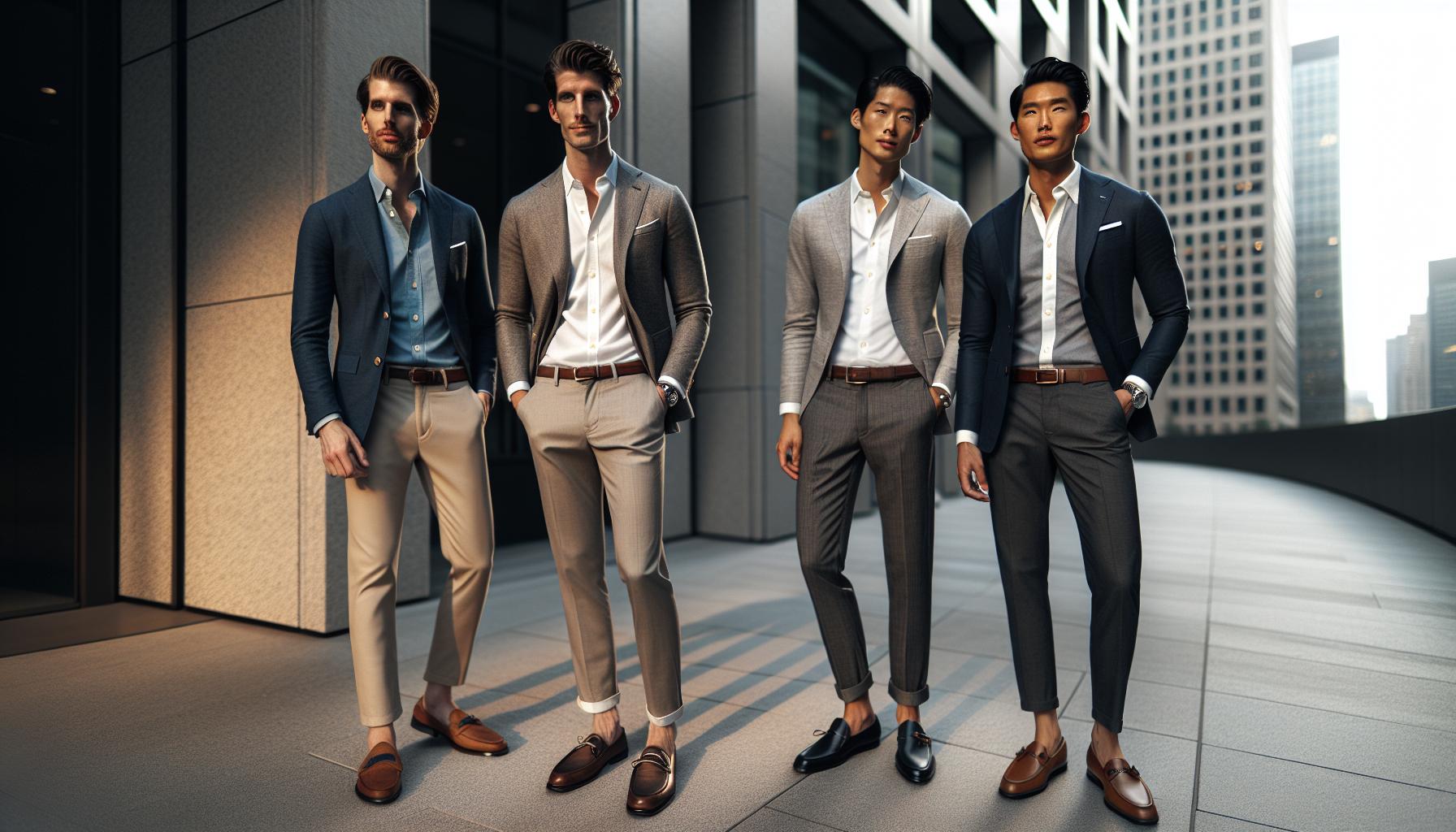
Key Elements of Business Casual Attire for Men
Business casual attire for men has evolved significantly, reflecting the shifting dynamics of workplace culture. Understanding the key elements of this dress code is vital for professionals aiming to strike a balance between style and appropriateness. At the core of business casual is the amalgamation of comfort and professionalism, allowing individuals to express their personality while adhering to workplace standards.
The foundation of a business casual outfit often includes well-fitted garments that enhance the wearer’s silhouette. Items such as tailored blazers or sport coats paired with collared shirts-like dress shirts or polo shirts-are staples that create a polished look while providing comfort. Trousers or chinos are preferred over traditional dress pants, often styled in neutral colors for versatility. Additionally, fabrics should be chosen carefully; breathable materials like cotton or linen are excellent for warm weather, while wool blends offer warmth when temperatures drop.
Footwear options in a business casual setting are varied, ranging from loafers and loafers to clean, minimalist sneakers. It’s crucial to ensure that shoes are polished and well-maintained, reflecting attention to detail. Accessories such as belts, watches, and subtle ties elevate the overall appearance without overshadowing the ensemble. Striking the right balance here is key; your accessories should add sophistication rather than draw unnecessary attention.
Ultimately, the nuances of business casual attire require a keen understanding of the company’s culture and industry standards. While a tech startup may embrace bold colors and patterns, a law firm typically expects more subdued, conservative choices. By being mindful of these differences and focusing on the above elements-fit, fabric, footwear, and accessories-men can effectively navigate the complexities of business casual dressing, ensuring they present themselves as professional yet approachable in any working environment.
Essential Fabrics and Materials for Business Casual
In the realm of business casual attire, the choice of fabrics and materials can profoundly influence not only the look but also the comfort and professionalism of an outfit. Selecting the right textiles means opting for a perfect balance between style, comfort, and appropriateness for the workplace. Today, several key fabrics stand out for their versatility and suitability for business casual wear.
A top contender is cotton, known for its breathability and comfort, making it ideal for shirts, chinos, and blazers. This fabric is particularly advantageous during warmer months, as it keeps you cool while also being easy to care for. For a slightly more polished appearance, poplin cotton shirts can offer a crisp look without compromising comfort.
As the seasons change, linen comes to the forefront, especially for summer attire. Its lightweight and airy properties allow for excellent ventilation, ensuring you stay comfortable during the heat. Linen is often associated with a relaxed, laid-back vibe, which can be perfect for more casual office environments. However, it’s worth noting that linen tends to wrinkle easily; thus, it might be better suited for less formal settings.
For colder climates or seasons, incorporating wool blends can be an excellent way to maintain warmth while remaining stylish. Wool is naturally insulating and can regulate body temperature, making it suitable for tailored blazers and trousers. Blends, such as wool and polyester, often enhance durability and reduce the need for extensive maintenance, which can be beneficial for the busy professional.
Lastly, adding technical fabrics to your wardrobe can open up new avenues for comfort and performance. Materials that feature moisture-wicking and stretch properties are increasingly popular in modern business casual wear. These fabrics not only help in maintaining a polished appearance but also enhance mobility and comfort throughout a busy workday. When selecting outfits, look for options that blend these innovative materials into classic styles, ensuring you feel confident and capable in any professional environment.
By focusing on these essential fabrics and materials, men can cultivate a business casual wardrobe that marries practicality with a chic, professional aesthetic, ready to meet the demands of any workplace.
Color Palettes That Work for Business Casual Outfits
Crafting an appropriate color palette for business casual attire is crucial in projecting professionalism while maintaining a relaxed and approachable vibe. Colors not only affect personal style but also influence perceptions of confidence and reliability in the workplace. As we enter 2024, several key colors and combinations can enhance a man’s business casual wardrobe, allowing for versatility and subtlety in selection.
For foundational pieces, consider neutral tones that easily blend and match, such as navy blue, charcoal gray, beige, and white. These colors form the backbone of many outfits and provide a polished yet understated appearance. Pairing a navy blazer with a crisp white shirt and beige chinos can create a balanced look that’s perfect for any office setting. Additionally, light gray is a versatile choice that can serve as a softer alternative to darker shades, offering freshness without losing professionalism.
Adding accents in color is essential to keep outfits lively and engaging. Opt for muted tones like bottle green, burgundy, or dusty blue for shirts or accessories. These hues add personality and interest while still aligning with a business casual aesthetic. A burgundy cashmere sweater over a collared shirt can offer warmth and style, making it a suitable choice for colder months or client meetings. Even brighter shades, such as mustard yellow or terra cotta, can be introduced sparingly in ties or pocket squares for a modern twist on traditional attire.
In addition to color choice, consider the role of patterns. Subtle patterns, like stripes, plaids, and checks can give depth to an outfit without overwhelming it. A light plaid shirt under a solid blazer maintains professionalism while showcasing individuality. For even more versatility, integrating a color wheel approach can help in mixing and matching colors effectively. Aim for complementary combinations that enhance your overall look while avoiding clashing shades.
Ultimately, the right color palette not only enhances your personal style but also conveys a clear message of professionalism within business casual settings. Experimenting with combinations and considering your own skin tone and personal preferences will empower you to curate outfits that resonate with confidence and approachability.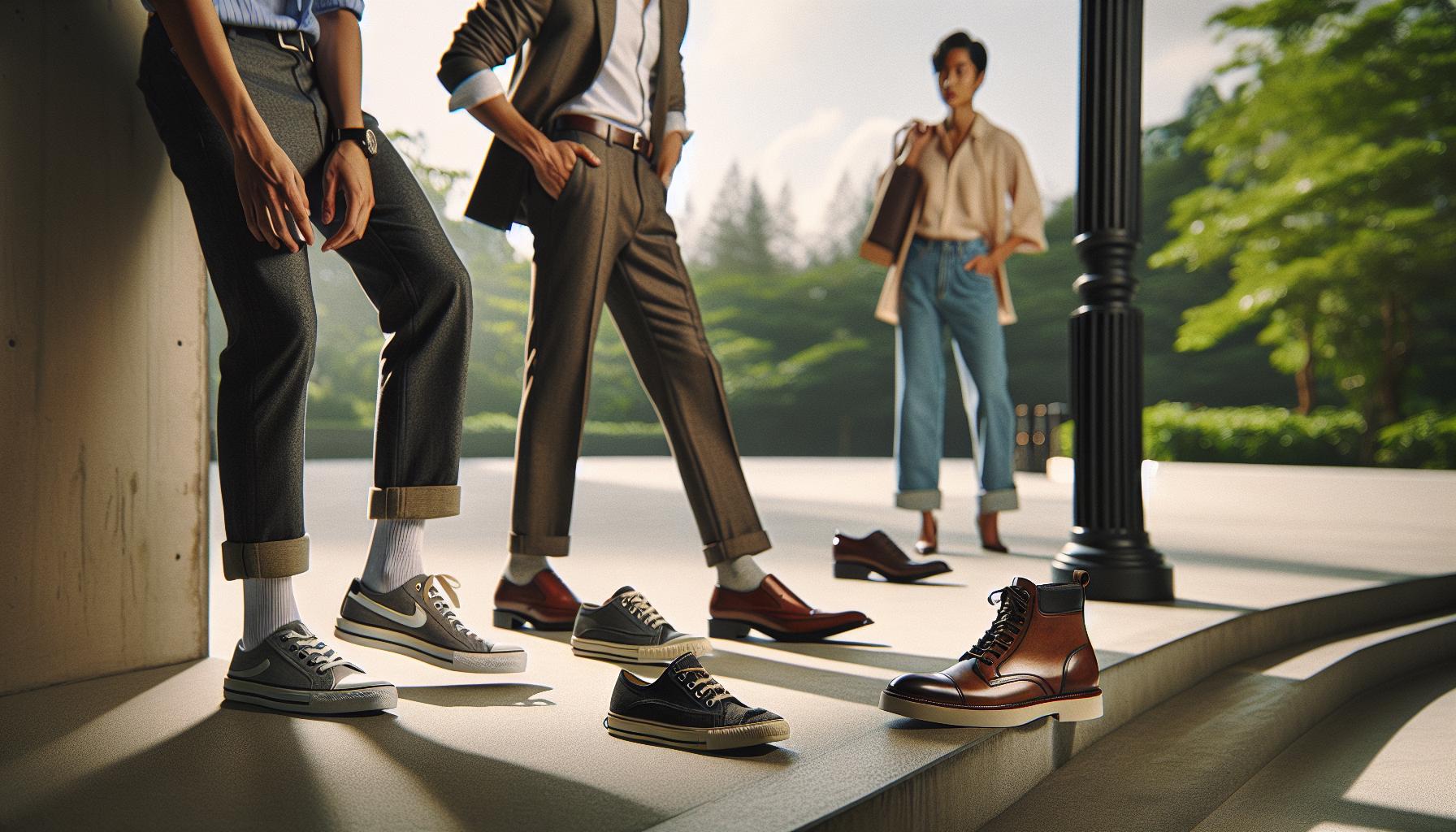
Footwear Choices: From Sneakers to Dress Shoes
In the realm of business casual attire, footwear can make or break an outfit, underscoring the balance between professionalism and comfort. With 2024’s evolving style nuances, choosing the right shoes is essential for projecting the right image in the workplace. The variety of shoe options available today-from casual sneakers to polished dress shoes-can cater to both individual style preferences and corporate etiquette, making it vital to select the pair that complements your overall look.
### Options for Footwear
When considering what to wear, it’s helpful to categorize footwear choices for business casual into three main types:
- Dress Shoes: Classic leather oxfords or derbies serve as the gold standard of business casual footwear. They add a level of sophistication and are ideal for environments requiring a formal aesthetic. Opt for colors like black or dark brown to maintain versatility.
- Smart Casual Sneakers: A growing trend in business casual, sleek, minimalist sneakers can be paired with chinos or tailored trousers for a modern twist. Look for materials such as leather or suede and stick to neutral colors to ensure they resonate with the workplace vibe.
- Loafers and Slip-Ons: These styles offer an excellent compromise between comfort and professionalism. A pair of penny loafers or moccasins in leather or suede can easily elevate an outfit without appearing overly formal.
### Tips for Selection
The key to navigating footwear choices lies in ensuring they align well with the rest of your ensemble. Always match the formality of shoes with the chosen attire. For instance, while a blazer and dress shirt may encourage a more polished shoe, a casual button-down with chinos can seamlessly pair with clean sneakers. It’s also wise to consider the day’s activities-if you anticipate lots of walking or standing, prioritize comfort by opting for cushioned insoles or supportive designs.
### What to Avoid
While exploring footwear options, remember to steer clear of overly casual styles such as flip-flops or athletic sneakers meant for the gym, as these can undermine the overall professional image. Additionally, avoid shoes that appear worn or scuffed, as they reflect poorly on your presentation.
In conclusion, the right footwear in a business casual setting not only enhances your appearance but also instills confidence in your professional interactions. By considering the environment, occasion, and the overall attire, you can master the art of business casual footwear with ease.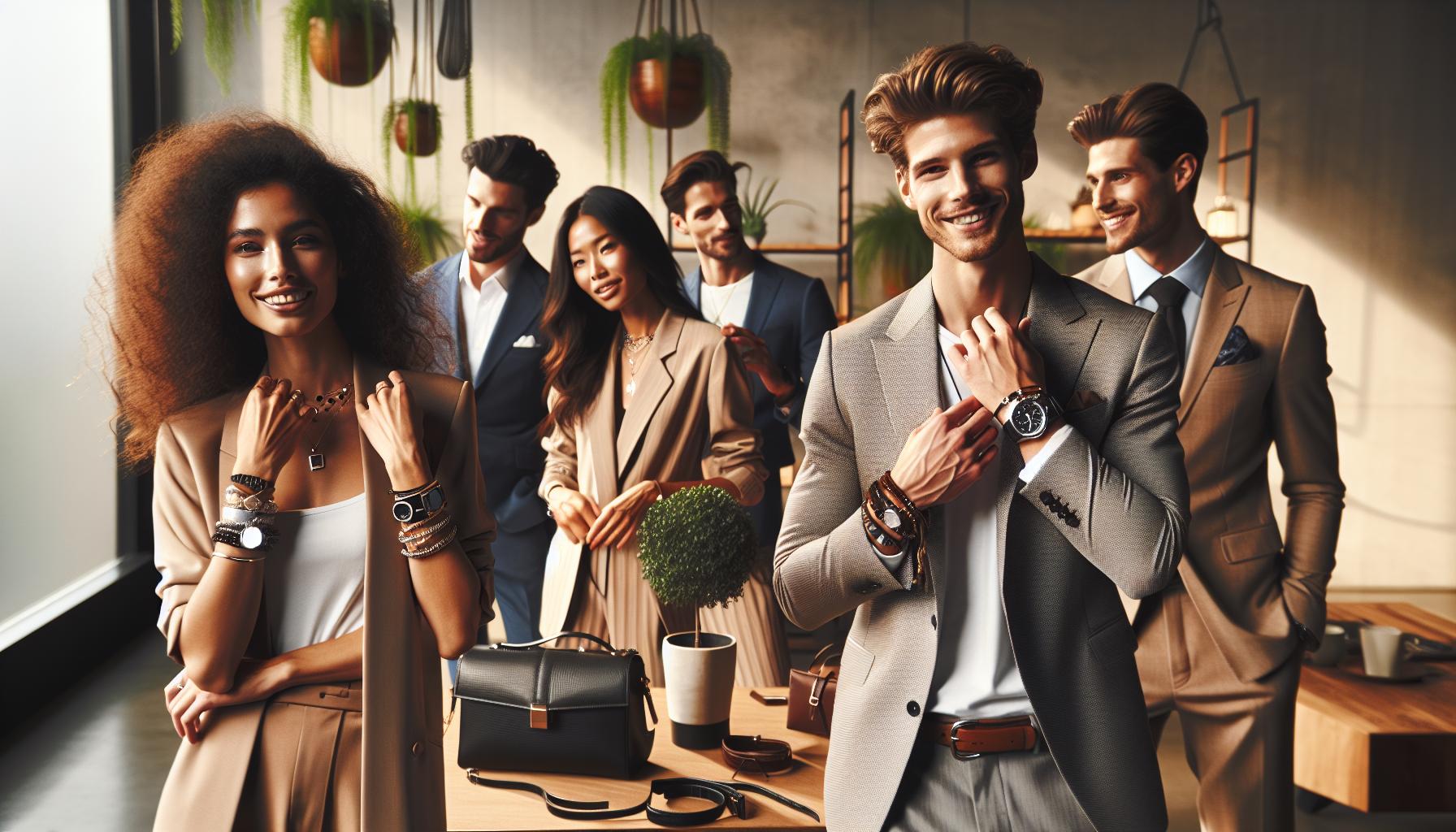
Accessorizing Your Business Casual Look
In the world of business casual, accessories serve as the finishing touch that elevates an outfit from simple to sophisticated. Strategic accessorizing can express your personality while maintaining a professional image. A well-considered selection of accessories communicates attention to detail and an understanding of current fashion dynamics, making them essential in mastering business casual dress codes.
Key Accessories to Consider
- Watches: A classic, understated watch can enhance your professionalism and punctuality. Opt for leather or metal bands that complement your outfit. Avoid flashy styles; instead, choose minimalistic designs that are versatile enough for various occasions.
- Bags: A sleek leather or canvas messenger bag not only fulfills practical needs but also adds a touch of elegance. Selecting a bag in neutral tones can seamlessly match any outfit while keeping your essentials organized.
- Belts: A quality leather belt in a color that matches your shoes helps to create unity in your look. Chunky or overly embellished belts can detract from the sophistication you want to project; stick to classic styles.
- Ties and Pocket Squares: If your work environment leans slightly towards formal, a tie or pocket square can introduce color and personality without being excessive. Choose subtle patterns or solid colors for a polished appearance.
- Jewelry: Keep it simple-consider wearing understated pieces like cufflinks or a subtle bracelet. Avoid anything too flashy or distracting; the goal is to enhance, not overshadow your overall look.
Seasonal Accessories
With changing seasons, your accessories can also adapt to keep your business casual look fresh. For warmer months, consider lightweight fabrics like cotton or linen for scarves and pocket squares, while winter can introduce more robust materials like wool or cashmere.
Additionally, consider the practicality of your accessories based on seasonal activities-an umbrella or a stylish raincoat can be both functional and stylish during sudden weather changes.
In conclusion, by carefully selecting the right accessories, you can significantly enhance your business casual ensemble, allowing your individuality to shine through while maintaining professionalism. Always aim for a balance between style and appropriateness, ensuring that each accessory serves a purpose and complements your overall attire.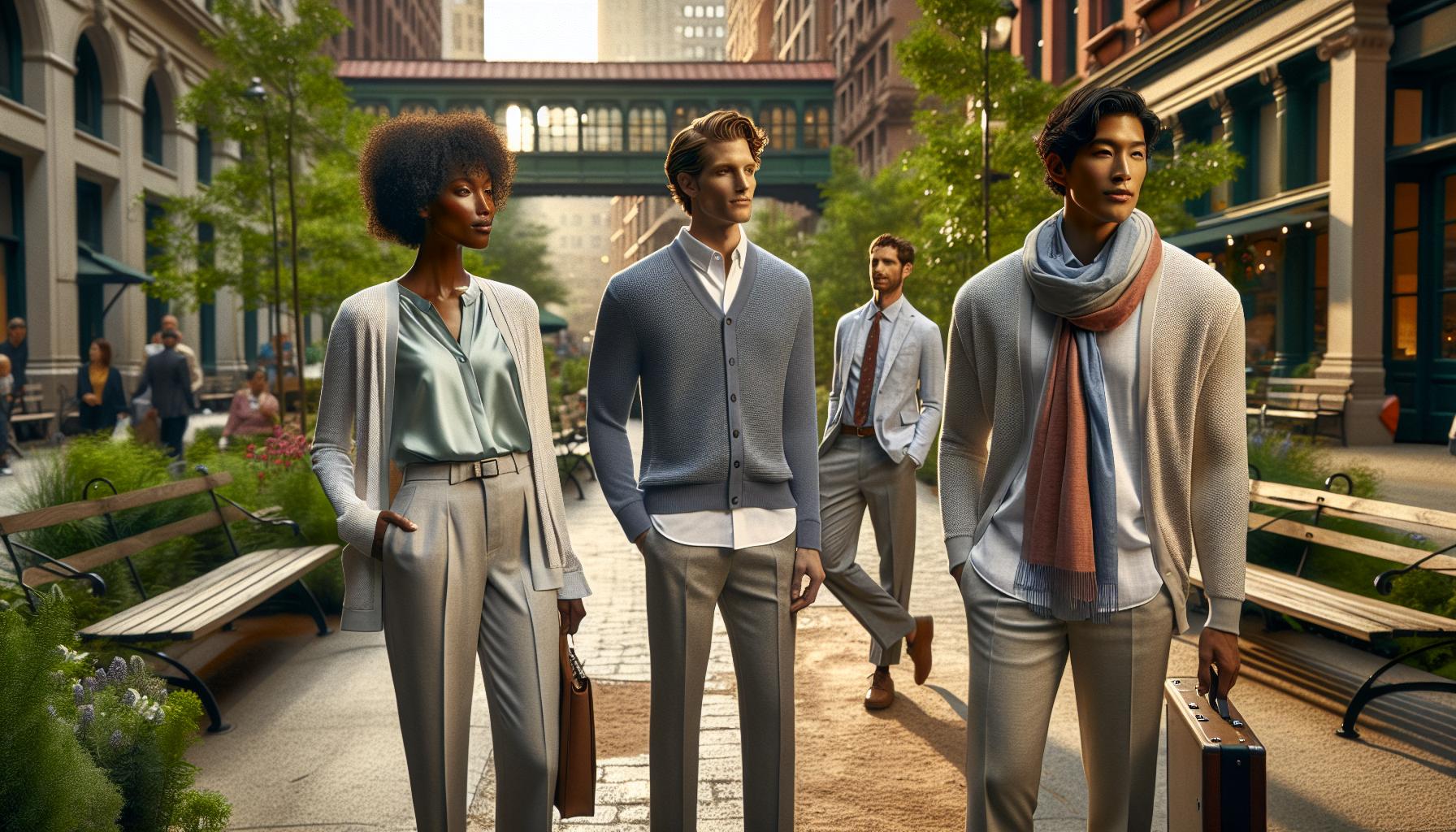
Seasonal Considerations for Business Casual Styling
In any business casual wardrobe, seasonal adaptability is key to maintaining a sharp appearance throughout the year. The climate not only influences your choice of fabrics but also determines the layers and styles that will work best. For example, during warmer months, breathable materials such as cotton or linen become essential. These fabrics help keep you cool while ensuring a polished look. Lightweight blazers, short-sleeved shirts, and chinos in light colors can not only complement the season’s vibrancy but also maintain a professional demeanor.
As temperatures dip, the focus shifts to layering. Darker hues are often favored in fall and winter, with heavier materials like wool or cashmere enhancing warmth without sacrificing style. A tailored wool blazer over a well-fitted collared shirt, paired with dress trousers, creates a balance of comfort and professionalism. In colder months, don’t shy away from incorporating stylish yet functional outerwear. A sophisticated overcoat or a tailored trench can provide the right finishing touch while keeping you warm.
Moreover, seasonally appropriate accessories can elevate your business casual attire. In the summer, opt for lightweight ties or pocket squares in breathable fabrics, whereas winter allows for richer textures like knitted ties or scarves that add both warmth and character. Footwear also plays a critical role; loafers and breathable dress shoes work well in warmer months, while boots are excellent for colder weather, providing both style and insulation around the ankle.
Finally, considering your environment remains crucial. For outdoor meetings or opportunities where you will engage in more active environments, ensure your attire allows for movement and comfort-think of shoes that offer both support and sophistication. By tailoring your business casual wardrobe to the seasons, you not only stay comfortable but also project an image that is thoughtful and well-prepared, reflecting the shifting dynamics of both style and professionalism.
Business Casual for Different Work Environments
In the diverse landscape of professional environments, understanding how to navigate various business casual expectations is essential for men seeking to present themselves appropriately. Whether you’re working in a tech startup, a corporate office, or a creative agency, the nuances of business casual can vary significantly. Adapting your wardrobe to fit these environments not only showcases your professionalism but also your ability to blend into different company cultures.
In a more formal corporate setting, such as a law firm or a financial institution, business casual tends to lean towards the polished end of the spectrum. Here, tailored dress shirts paired with chinos or dress pants present a refined appearance. Opt for blazers in darker colors like navy or charcoal to maintain a sophisticated look, and avoid overly casual footwear like sneakers. Instead, leather dress shoes or loafers will elevate your outfit, ensuring you convey seriousness and competence.
Conversely, in creative fields like advertising or design, there is often more room for personal expression within business casual attire. Brightly colored shirts, patterned ties, or smart casual shoes can add a touch of individuality while remaining professional. In such environments, you might also consider incorporating layers, such as stylish cardigans or unique outerwear, to show personality without compromising on professionalism.
Finally, tech startups or remote work environments may embrace a more relaxed approach to business casual. Here, you might find breathable fabrics, comfortable footwear, and even smart jeans paired with a crisp polo shirt can suffice. However, even in these settings, it’s vital to maintain a standard of neatness-groomed hair and polished shoes signify that you respect your work and colleagues, regardless of the casual nature of your outfit.
Ultimately, adapting your business casual wardrobe to fit the environment not only demonstrates your awareness of cultural norms but also enhances your confidence and effectiveness in professional interactions. By selecting outfits that resonate with your surroundings, you project a thoughtful image that aligns with both personal style and corporate expectations.
Mistakes to Avoid in Business Casual Dressing
Navigating the expectations of business casual attire can be tricky, and missteps can easily leave a less-than-favorable impression. One common mistake is overdressing or underdressing for the occasion. It’s crucial to know your workplace culture; wearing a full suit and tie in a relaxed office can seem out of place, while jeans and a t-shirt may not be appropriate in a more professional setting. Striking the right balance shows that you respect your environment and understand the norms in play.
Another prevalent error is neglecting the fit and condition of your clothing. Ill-fitting pants or shirts can make even the most stylish outfit appear sloppy. Aim for tailored, well-fitting pieces that flatter your body type. Furthermore, garments that are worn out, faded, or stained detract significantly from your professional image. A simple rule to follow is to ensure your clothes are clean, pressed, and free from visible wear.
Accessorizing can elevate a business casual outfit, but it can also lead to misjudgments. Over-accessorizing or wearing items that are excessively flashy can divert attention away from your professionalism. A sleek watch or a minimalist belt can add a touch of personal style without overshadowing the outfit. On the other hand, more casual accessories like flip-flops or overly loud sneakers can detract from the polished appearance necessary in many work environments.
Lastly, maintaining a sense of personal grooming is often overlooked but essential. A disheveled appearance, such as unbrushed hair or an unkempt beard, can ruin an otherwise well-thought-out business casual look. Ensure that you present a clean and polished image, as this reflects not only on you but on the organization you represent. By avoiding these common pitfalls, you can navigate the nuances of business casual dressing more effectively, making a positive impression in any workplace.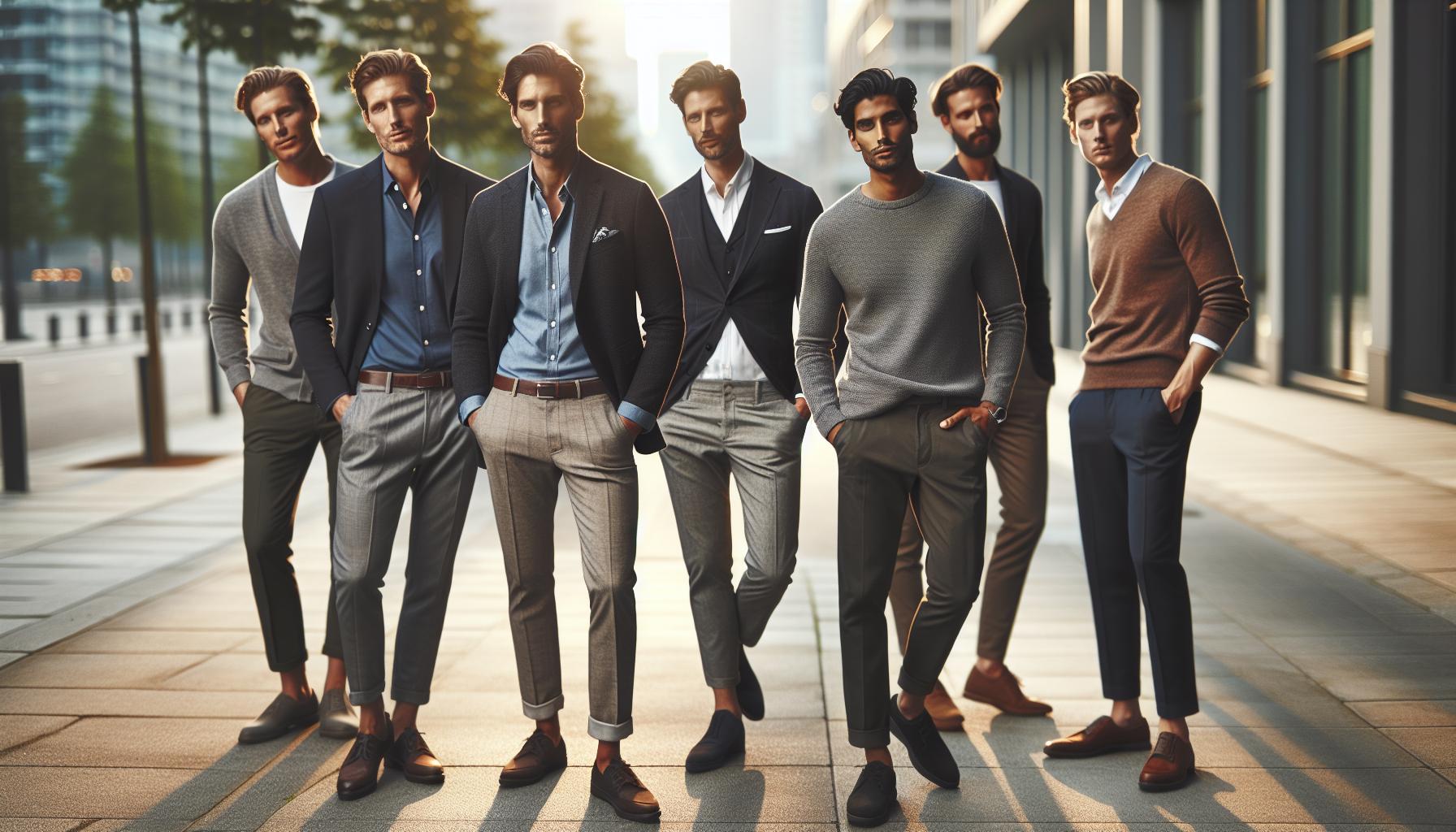
Inspiration: Business Casual Outfit Ideas for Men
Many men find themselves navigating the fine line between comfort and professionalism when it comes to business casual attire. Achieving the right look can not only enhance confidence but also influence how others perceive you in a professional setting. Here are some practical outfit ideas that embody the essence of business casual while allowing for personal expression.
For a polished yet approachable look, consider pairing a well-fitted blazer with chinos or tailored dress pants. A light blue or grey blazer can effortlessly elevate your outfit, especially when worn over a crisp white or pastel button-down shirt. This combination works well for both meetings and casual Fridays, providing a versatile foundation. Finish the look with loafers or brogues, striking the right balance between casual comfort and professional style.
Another great option is to embrace a smart layered look. Start with a high-quality knit sweater over a collared shirt, which can add warmth and depth without compromising on style. This ensemble can be complemented with dark jeans or chinos, giving off a refined yet relaxed vibe. Opt for neutral or earthy colors for your sweater to maintain a professional appearance. A pair of clean, sleek sneakers or desert boots can enhance comfort while still looking sharp.
For summer months, lightweight fabrics and breathable styles become essential. A short-sleeve button-down shirt paired with tailored shorts (just above the knee) can keep you cool while remaining appropriate, provided the setting aligns with this more relaxed look. Choose shorts in a structured style and pair them with loafers or slip-on shoes to keep the outfit smart casual. Accessorizing with a leather belt and a classic watch can tie the entire look together, showing attention to detail.
Lastly, don’t underestimate the impact of color and patterns in your business casual wardrobe. Subtle prints like checks or stripes can introduce personality without overwhelming your look. Incorporate color palettes that resonate with your corporate culture, whether that’s more muted tones or bolder hues, ensuring that your choices still reflect professionalism and confidence.
By experimenting with these outfit ideas, you can navigate various work environments with confidence, blending comfort and professionalism that meet the expectations of modern business casual dressing.
Transitioning from Casual to Business Casual
Transitioning from a casual outfit to business casual attire doesn’t just reflect a change in clothing; it signifies a shift in mindset and professionalism. Many professionals struggle with this transition, often wondering how to retain their personal style while adhering to workplace expectations. To navigate this delicate balance, consider a few key strategies to ease into a business casual wardrobe seamlessly.
Start by evaluating your current casual pieces; assess which items can be adapted for a more polished look. For instance, comfortable yet smart jeans can serve as a base. Pair them with a tailored blazer and a well-fitted button-down shirt to instantly elevate your outfit. This mix not only maintains your comfort level but also introduces sophistication. Replace graphic tee shirts with solid colors or subtle patterns-these changes can drastically uplift your appearance without requiring a complete wardrobe overhaul.
When making this transition, focus on fabric and fit. High-quality materials like cotton, linen, and wool blend can easily upgrade casual pieces into something more versatile. Consider investing in upgraded versions of staples, such as chinos instead of cargo shorts or loafers in place of sneakers. Additionally, accessories play a crucial role in this transformation. A leather belt, a classic watch, or even minimalistic bracelets can integrate your personal style into a business casual look, tying the outfit together while showing attention to detail.
Pay attention to color palettes and layers as well. Selecting neutral tones like navy, gray, or earth colors allows for easy mixing and matching, while layers can offer warmth and style. For instance, wearing a lightweight sweater over a collared shirt not only provides comfort but can also make your outfit look more complete. By gradually incorporating these elements, transitioning to business casual becomes a more natural progression, ensuring you remain comfortable and confident in your evolving style.
The Future of Business Casual: Trends for 2024
As workplace culture continues to evolve, so too does the concept of business casual attire for men. In 2024, the trend emphasizes not just comfort and style, but a clearer representation of one’s personal brand within professional settings. The blending of casual and formal wear allows for greater flexibility, enabling men to express individuality while adhering to workplace standards.
One significant trend is the incorporation of sustainable and ethically sourced fabrics. Eco-conscious consumers are driving demand for clothing made from organic cotton, recycled materials, and innovative blends that reduce environmental impact. This shift not only caters to socially responsible fashion but also supports the growing interest in sustainability within business practices. Additionally, brands are responding to this call by offering stylish yet eco-friendly options that enhance the wardrobe without compromising values.
Color palettes are also shifting in 2024, moving beyond the traditional subdued tones to include more vibrant and expressive hues. Expect to see bold colors and patterns that allow for personal expression while still maintaining professionalism. Layering remains popular, with lightweight outerwear and transitional pieces playing key roles in achieving a polished look-perfect for adapting to various environments throughout the workday.
Footwear is another area where trends are shifting. While loafers and brogues remain staples, there’s an increasing acceptance of hybrid styles, blurring the lines between casual and formal shoes. Sneakers crafted from premium materials can complement business casual outfits, providing comfort without sacrificing style. Ultimately, the future of business casual leans toward a balanced approach that invites individuality while respecting workplace norms, providing a versatile foundation for a contemporary professional wardrobe.
Q&A
Q: What are the main differences between business casual and smart casual?
A: Business casual typically involves polished attire suitable for a professional environment, such as dress shirts and chinos, whereas smart casual allows for more relaxed pieces like tailored jeans and sneakers. Understanding these distinctions helps you dress appropriately for various occasions.
Q: Is denim acceptable for business casual attire in 2024?
A: Yes, dark wash denim is generally acceptable in business casual settings in 2024, especially when paired with a blazer or a smart shirt. Always ensure the denim is free of rips and combined with polished footwear for a cohesive look.
Q: How can accessories enhance a business casual outfit for men?
A: Accessories like watches, belts, and ties can significantly elevate a business casual outfit. Opt for subtle, quality pieces that complement your attire without overwhelming it. This adds a touch of personality while maintaining professionalism.
Q: What types of shoes are suitable for business casual for men in 2024?
A: Suitable shoes for business casual include loafers, brogues, and clean sneakers. It’s crucial to choose footwear that balances comfort and style while suiting the formality of your workplace; avoid overly casual options like flip-flops or worn-out sneakers.
Q: How do I transition from casual to business casual attire?
A: Transition by incorporating more structured pieces into your wardrobe. Start with tailored trousers, collared shirts, and smarter footwear while gradually phasing out graphic tees and shorts. This helps you ease into business casual styling effectively.
Q: Are shorts acceptable for business casual during summer?
A: Yes, tailored shorts can be acceptable during summer months in a business casual context, particularly in creative workplaces. Pair them with a collared shirt and loafers to maintain a polished look.
Q: What colors and patterns work best for business casual outfits?
A: Neutral colors like navy, gray, and beige are ideal for business casual, complemented by light pastels or subtle patterns. These choices help create a versatile and professional attire that works well in various settings.
Q: How do I choose the right fit for business casual clothing?
A: Aim for clothing that flatters your body shape without being too tight or loose. Consider tailored options for a sharp appearance-check shoulder seams, sleeve lengths, and trouser fit to ensure a balanced silhouette.
The Conclusion
Ready to elevate your style with the latest insights on business casual for men? Remember, the right balance of professionalism and comfort is key to making a lasting impression in any setting. As you explore your wardrobe, consider incorporating versatile staples that not only reflect your personal style but also adhere to current trends for 2024. For more expert tips on fashionable office attire, check out our articles on “Mastering Smart Casual Looks” and “Essential Accessories for Every Business Occasion.”
Don’t let uncertainty hold you back from stepping up your fashion game. By making thoughtful choices now, you’ll exude confidence and clarity in your professional life. Join our community by subscribing to our newsletter for exclusive updates, style guides, and special offers designed to keep you ahead in the fashion game.
What are your thoughts on business casual attire? We’d love to hear from you in the comments below! Explore more on our site to discover how you can refine your wardrobe and transform your professional presence. Your style evolution starts today!