
As today’s teenagers become increasingly conscious of their impact on the planet, exploring sustainable business practices is more important than ever. By understanding what makes a business sustainable, young individuals can align their choices with their values while addressing significant environmental challenges. This article delves into the most sustainable businesses that resonate with teenagers, showcasing innovative companies committed to eco-friendly practices. Discover how these businesses not only contribute to a healthier future but also create opportunities for young people to engage meaningfully in sustainability efforts. Whether you aspire to support these brands or start your own eco-conscious venture, the insights you’ll gain here will empower you to make informed, impactful decisions.
What Are the Most Sustainable Businesses for Teenagers?
Starting a sustainable business as a teenager is not just a trend; it’s a powerful way to make a positive impact on the planet while developing entrepreneurial skills. The most sustainable business ideas focus on environmental conservation, social responsibility, and economic viability. For teens, this could mean engaging in practices that promote sustainability out of passion and the desire to bring about change. Notable examples include eco-friendly cleaning services, handcrafted sustainable goods, and organic gardening ventures.
Green businesses can thrive in a variety of fields, often utilizing local resources and focusing on community needs. For instance, a teenager might consider launching a small-scale vegetarian food delivery service that sources ingredients from local farms, thus minimizing carbon footprint and supporting local agriculture. Another appealing area is digital platforms that facilitate second-hand clothing sales, promoting a circular economy and reducing fashion waste. Such initiatives not only cater to sustainability but also appeal to eco-conscious consumers.
- Upcycling Products: Transform old materials into new products, from furniture to accessories, making waste reduction fashionable.
- Online Tutoring: Share knowledge in environmental science or sustainability topics, inspiring others while building a business.
- Composting Service: Offer collection and composting of organic waste for households, turning waste into a valuable resource.
By focusing on these sustainable business ideas, teenagers not only contribute to ecological balance but also develop vital skills like creativity, marketing, and project management. They learn to navigate challenges and set an example for peers, proving that age is no barrier to impactful entrepreneurship.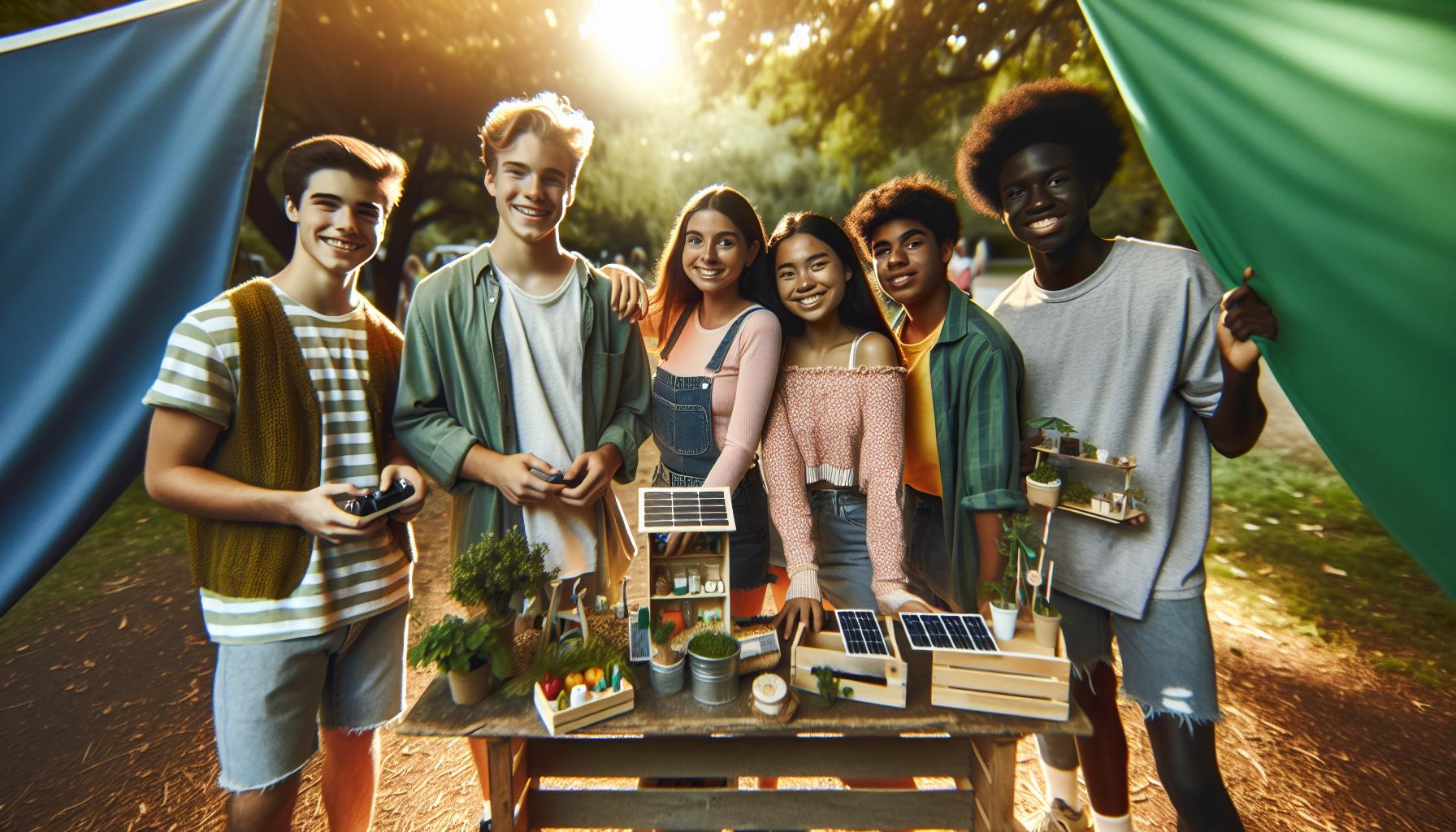
Identifying Sustainable Business Opportunities for Teens
Identifying sustainable business opportunities as a teenager not only contributes to environmental stewardship but also enhances critical life skills. Many young entrepreneurs find success by tapping into local resources and responding to community needs. One significant area of growth is eco-conscious consumerism. With a rising awareness of environmental issues, businesses that align with sustainability are more likely to resonate with customers.
A great opportunity for teens could be to engage in the resale of second-hand items through platforms that promote a circular economy. By curating and reselling gently used clothing, books, or electronics, young entrepreneurs can reduce waste while earning income. Similarly, starting an online marketplace to facilitate the exchange of sustainable products, such as upcycled crafts or organic goods, can attract customers interested in eco-friendly shopping.
Teens can also explore service-based business models, such as offering eco-friendly lawn care or organizing community clean-ups. By using sustainable practices-like organic fertilizers and electric tools-these services can appeal to environmentally conscious homeowners. Other innovative ideas include creating a homemade beauty product line using natural ingredients or developing apps that help users track their carbon footprint and suggest eco-friendly alternatives.
To effectively tap into these opportunities, teens should first assess their interests and local market demands. Surveying potential customers to gauge interest in specific products or services can provide valuable insights. Additionally, networking with local green businesses could yield mentorship and partnership opportunities, fostering a supportive entrepreneurial ecosystem. The key is to combine personal passion with community sustainability goals, ultimately creating a venture that not only profits but also contributes positively to the planet.
Top 10 Eco-Friendly Business Ideas for Young Entrepreneurs
Creating a sustainable business as a teenager not only fosters entrepreneurial spirit but also enables young people to contribute positively to their communities and the environment. Here are some impactful ideas for eco-friendly businesses that aspiring young entrepreneurs can explore:
- Upcycling Crafts: Transforming old items into something new and useful is not only creative but also environmentally friendly. Teens can collect discarded materials or second-hand items and craft them into unique products such as furniture, decor, or accessories, and then sell them online or at local markets.
- Plant-Based Treats: There is a growing market for vegan and healthy snacks. Teens can create and sell homemade plant-based treats like cookies, granola bars, or smoothies using locally-sourced ingredients, appealing to health-conscious consumers.
- Eco-Friendly Cleaning Services: Offering green cleaning services that utilize non-toxic and biodegradable products can attract eco-conscious clients. This business can range from home cleaning to office support, tapping into the increasing demand for environmentally safe services.
- Educational Workshops: Teens can leverage their knowledge of sustainable practices by hosting workshops to teach peers or community members about recycling, composting, or creating a zero-waste lifestyle. This also positions them as leaders in sustainability awareness.
- Gardening and Landscaping: Establishing an eco-friendly gardening service that focuses on organic gardening, pollinator-friendly plants, and sustainable landscaping can intrigue homeowners looking to enhance their outdoor spaces without chemical treatments.
- Mobile Car Wash: A mobile car detailing service using eco-friendly products and water-saving techniques can attract environmentally aware customers seeking convenience without sacrificing sustainability.
- Clothing Resale: By curating a selection of second-hand clothing or starting a thrift store, teens can promote a circular economy while combating fast fashion. This business can take place online through platforms like Depop or Poshmark.
- Digital Apps for Sustainability: For teens with tech skills, developing an app that helps users track their carbon footprint or find sustainable products and services can benefit environmentally conscious consumers and launch a tech-savvy business.
- Subscription Box Service: Creating a monthly subscription box featuring sustainable products like organic snacks, eco-friendly gadgets, or handmade crafts can cater to a niche market eager for curated eco-friendly items.
- Community Exchange Platform: Establishing an online platform that facilitates the exchange of goods and services among community members can reduce waste and promote sharing, creating a cooperative environment while generating income through membership fees or advertisements.
These business ideas not only foster critical thinking and problem-solving skills but also align with the pressing need for sustainable practices in our current economy. By tapping into their creativity and local market demands, teenagers can make a meaningful impact while building a foundation for future entrepreneurial ventures.
How to Start a Green Business as a Teenager
Starting a green business as a teenager can be both an inspiring and rewarding venture. Many young entrepreneurs today are increasingly aware of environmental challenges and are eager to make a positive impact. The first step in launching a sustainable business is to identify a niche or an eco-friendly idea that resonates with one’s values and interests. Conducting market research is crucial; this involves assessing local demand, exploring existing competitors, and understanding potential customers’ preferences. Engaging with friends, family, or community members can provide valuable insights into what sustainable products or services might be lacking in the area.
Once a viable business idea has been identified, planning is key. It’s beneficial to create a simple business plan outlining your mission, goals, target audience, and marketing strategies. This document doesn’t have to be overly complex, but it should provide a roadmap that guides your efforts. For instance, if starting a recycling initiative or eco-friendly cleaning service, consider the unique selling propositions that set your venture apart from others. You can seek out local grants, sponsorships, or crowdfunding options geared toward projects with a sustainability focus to help finance your business.
Building a brand identity that focuses on sustainability can enhance your business’s reputation. Utilize social media platforms to share your journey, showcase the products or services offered, and engage with customers. Content that highlights sustainability practices can attract an audience that shares similar values.
Moreover, consider collaborating with local organizations or environmental groups. These partnerships can lead to more visibility and credibility in the community, while also offering opportunities to participate in local events or initiatives, thereby expanding your reach. By tapping into a network of like-minded individuals and organizations, you can cultivate a supportive ecosystem that nurtures your green business.
In summary, launching a green business as a teenager is not just about making money-it’s about making a difference. With careful planning and a commitment to sustainability, young entrepreneurs can create businesses that are not only profitable but also contribute positively to society and the environment.
Skills Needed to Succeed in Sustainable Entrepreneurship
To thrive in the realm of sustainable entrepreneurship, especially as a teenager, a unique blend of skills is essential. One of the most critical skills is environmental literacy-the ability to understand how business decisions impact the environment and society. This includes knowledge about sustainable practices, eco-friendly materials, and waste reduction strategies. Teens should seek to educate themselves about sustainability issues through online resources, workshops, and community programs to better inform their business decisions.
Another vital area is problem-solving skills. Sustainable business often requires creative solutions to overcome environmental challenges, which can be particularly demanding in various settings, such as local markets. For example, if a teen entrepreneur starts a business focused on upcycling products, they will need to creatively solve problems related to sourcing materials, finding innovative product designs, and addressing potential customer concerns. Developing a mindset that views challenges as opportunities for innovation can greatly enhance their entrepreneurial success.
Effective communication skills also play a significant role. Young entrepreneurs must articulate their vision and values to potential customers, partners, and stakeholders. This involves being able to convey the importance of sustainability in a relatable manner, inspiring others to support their cause. Strong marketing communication, particularly through digital platforms like social media, can be a powerful tool for promoting their sustainable message and engaging a community around their business.
Additionally, mastering basic business skills such as finance, marketing, and operations is fundamental. Understanding how to create a budget, manage costs, and measure the impact of their efforts can help teens run their sustainable businesses effectively. Many resources are available, such as online courses and mentorship programs, that can provide these foundational skills.
In summary, a multifaceted skill set encompassing environmental knowledge, problem-solving abilities, effective communication, and foundational business acumen will empower young entrepreneurs to navigate the complexities of sustainable business successfully, positioning them for growth and impact in their communities.
Creative Ways Teens Can Fund Sustainable Ventures
When it comes to funding sustainable ventures, creative strategies can make a significant difference, especially for teenagers who may not have access to traditional financial resources. One compelling approach is utilizing crowdfunding platforms specifically geared towards environmental initiatives. Platforms like Kickstarter and GoFundMe allow young entrepreneurs to garner support from their networks while promoting their green business ideas. By sharing their vision and demonstrating how their venture contributes to sustainability, teens can attract supporters willing to invest in their mission.
Another innovative way to generate funds is by hosting community events that spotlight sustainable practices. Organizing workshops, eco-friendly fairs, or local clean-up events can draw attention while also serving as fundraisers. Charging a small fee for participation or setting up donation stations can help raise money for their ventures. Moreover, these events create an opportunity for teens to network with like-minded individuals and local businesses, fostering collaboration and potential sponsorships.
Teens can also tap into grants and scholarships aimed at young social entrepreneurs. Numerous organizations, such as the Ashoka Foundation and the Do Something organization, provide funding opportunities for youth-led initiatives focused on social and environmental impact. Researching these options and crafting compelling proposals can open doors to financial support that aligns with their sustainable goals.
Finally, leveraging social media platforms for marketing their products or services can attract customers and generate revenue. Creating a compelling online presence through short videos, engaging posts, and sharing sustainability tips can draw in an audience. By effectively utilizing their digital skills, teens can turn their passion for sustainability into a profitable venture while simultaneously making a positive impact on the environment.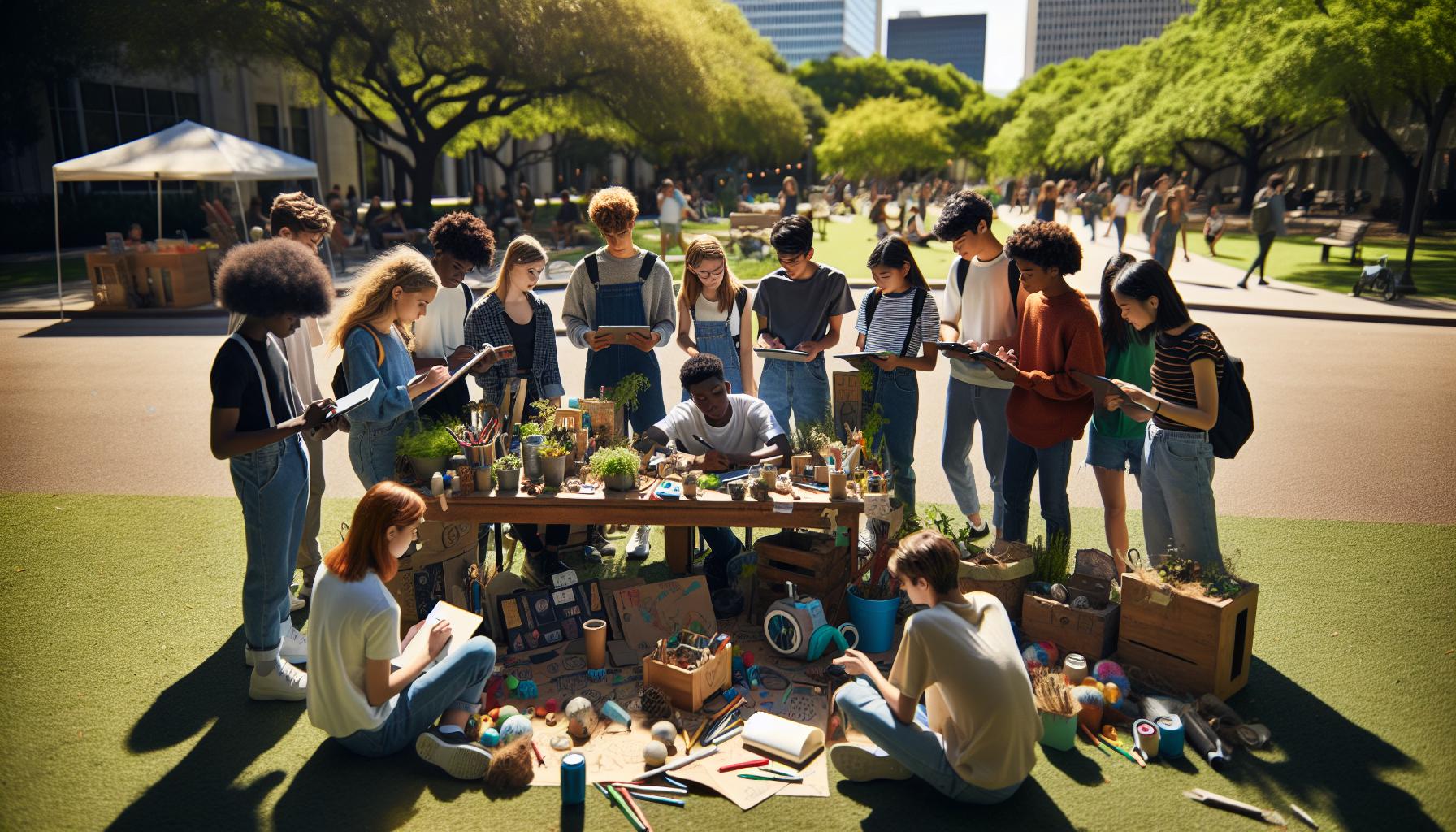
Understanding the Impact of Sustainable Practices
is crucial for teenagers looking to embark on eco-friendly entrepreneurial ventures. Sustainable businesses not only contribute positively to the environment but also empower young entrepreneurs to create meaningful change in their communities. By adopting sustainable practices, teens can enhance their business models while fostering a culture of responsibility among their peers.
One significant benefit of implementing sustainable practices is the reduction of waste and resource depletion. For example, a teenage entrepreneur who starts a recycling business can directly affect the quantity of materials sent to landfills, encouraging others to adopt eco-friendly habits. Similarly, teens who engage in upcycling-transforming waste materials into new products-demonstrate the potential for creative reuse, turning trash into treasure while also educating their customer base on sustainability issues.
Moreover, sustainable businesses often attract a dedicated customer base that values ethical practices. Young entrepreneurs can utilize social media to showcase their commitment to the environment, whether they’re selling eco-friendly products, providing services that reduce carbon footprints, or organizing community clean-up events. This connection to a growing market of environmentally-conscious consumers not only enhances brand loyalty but also boosts profitability by aligning business goals with community values.
Ultimately, the impact of sustainable practices on teenage entrepreneurship extends beyond profit margins; it nurtures a mindset of innovation and responsibility, preparing the next generation of leaders to address pressing social and environmental challenges. By operating sustainable businesses, teenagers can inspire their peers while making a tangible difference, proving that it is indeed possible to blend entrepreneurship with a commitment to the planet.
Challenges Teen Entrepreneurs Face in Green Business
Launching a sustainable business as a teenager can be a fulfilling venture, but it also comes with unique challenges. One of the biggest hurdles is the lack of capital. Many young entrepreneurs may not have access to substantial financial resources or credit history, making it difficult to fund projects that require initial investments. To overcome this, it’s essential for teens to seek out creative funding solutions, such as crowdfunding platforms, local grants aimed at young entrepreneurs, or community partnerships that share a commitment to sustainability.
Another significant challenge is the knowledge gap in both business operations and sustainability practices. Many teens are passionate about environmental issues but may lack the necessary skills in areas such as market research, budgeting, and supply chain management. This is where mentorship comes into play; forming connections with local business owners or organizations focused on sustainability can provide valuable guidance. Online resources, workshops, and courses can also equip aspiring young entrepreneurs with essential business skills and sustainability principles.
Time management poses an additional difficulty, as teenagers often juggle school, extracurricular activities, and social commitments alongside their business pursuits. Effective planning and prioritization become crucial for managing their schedules. Implementing tools like digital planners or task management apps can help in organizing tasks and ensuring that progress is steady, even amidst a busy lifestyle.
Finally, navigating the regulatory landscape can be daunting for young entrepreneurs venturing into green businesses. Understandably, teens may not be familiar with local, state, or federal regulations concerning environmental practices. Researching regulatory requirements and seeking advice from knowledgeable sources or local business associations can mitigate compliance-related stress and lead to more informed decision-making.
By acknowledging and addressing these challenges, teenagers can significantly enhance their prospects for running a successful sustainable business. Through resourcefulness, continuous learning, and community support, they can turn obstacles into stepping stones toward entrepreneurship that positively impacts both their lives and the environment.
Resources and Support for Young Eco-Entrepreneurs
Support for young eco-entrepreneurs can be game-changing, as they navigate the complex yet rewarding landscape of sustainable business. Numerous resources exist to provide not just knowledge, but also vital networking opportunities and financial backing. Organizations and platforms dedicated to promoting sustainability often offer workshops, webinars, and mentorship programs tailored for teens. Engaging with these resources can help young entrepreneurs turn their passion for the environment into actionable business ideas.
One valuable resource is local business incubators that focus on sustainability. These organizations provide a structured environment where young entrepreneurs can learn essential business skills while receiving guidance from experienced professionals. Not only do these incubators often offer workshops on business planning and financial management, but they frequently host pitch competitions, offering funds for the best sustainable business ideas. Being part of such a community fosters collaboration and encourages innovation among peers, creating a supportive network.
Moreover, online platforms like crowdfunding websites can serve as powerful fundraising tools. Platforms such as Kickstarter or GoFundMe have specific categories for sustainable projects, allowing teens to present their ideas to a broader audience. By crafting a compelling campaign, young entrepreneurs can garner financial support while raising awareness about their environmental goals. Additionally, social media can play an enormous role in marketing these initiatives-visual storytelling on platforms like Instagram can attract a community eager to support eco-friendly businesses.
Finally, it is vital for young entrepreneurs to stay informed about sustainability practices through various online resources, including blogs, podcasts, and journals focused on green business. Engaging with these materials can spark new ideas and keep them abreast of industry trends. Organizations like the Young Entrepreneurs Council and local environmental nonprofits can also serve as valuable sources of information and support. By leveraging these resources effectively, teenagers can build solid foundations for sustainable businesses, reinforcing their impact on the environment while pursuing their ambitions.
Success Stories: Teenagers Thriving in Sustainable Business
Inspiring stories of teenage entrepreneurs making waves in sustainable business showcase the innovative spirit of youth and the potential for positive environmental impact. For instance, Hannah Grace, a 16-year-old from California, founded “EcoWraps,” a company that produces reusable beeswax wraps as an alternative to plastic wrap. By utilizing local beeswax and organic cotton, she not only addresses the pressing issue of plastic waste but also supports local beekeepers. Her brand gained traction through social media campaigns, leveraging platforms like Instagram to reach fellow eco-conscious consumers, which amplified her message and expanded her customer base.
Another remarkable example is 17-year-old Sam Patel, who developed “GreenCharge,” a service focused on creating solar-powered charging stations for public parks. Recognizing the need for sustainable energy solutions, Sam combined his passion for renewable energy with community service. By collaborating with local governments and securing partnerships with renewable energy organizations, he was able to implement his project successfully, providing a green alternative for power-hungry devices while fostering greater awareness of renewable energy in his neighborhood.
Moreover, the success of these young entrepreneurs demonstrates the versatility of sustainable business models. For instance, Ava Chen’s venture, “Plant Pals,” connects young people with local gardening initiatives while promoting urban green spaces. By offering workshops on gardening and sustainable practices, she has turned her passion for planting into a community-driven business that educates her peers about the importance of biodiversity and food sustainability.
To thrive in the sustainable business landscape, these teenagers embody key traits such as resilience, adaptability, and a passion for the environment. With support systems like mentorship programs, online resources, and community networks, young eco-entrepreneurs can access invaluable guidance and funding opportunities, helping them turn their innovative ideas into successful ventures. As these success stories demonstrate, with creativity and commitment, teenagers have the potential to transform challenges into opportunities, paving the way for a greener future.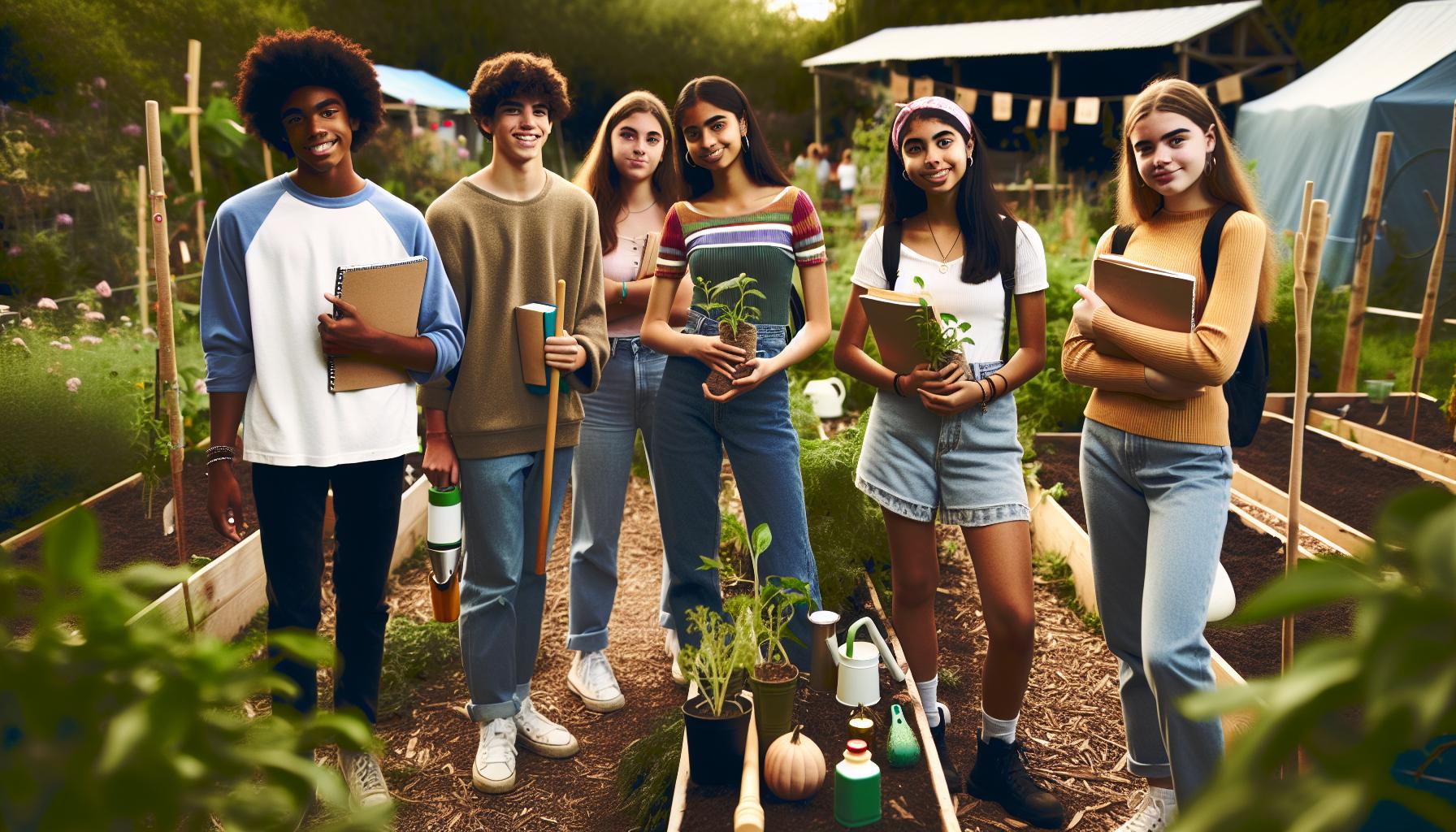
Marketing Strategies for Sustainable Teen Businesses
Creating a successful marketing strategy is crucial for teenagers embarking on sustainable business ventures. The unique positioning of eco-friendly products and services offers an opportunity for young entrepreneurs to leverage their passion for sustainability while appealing to a growing market of environmentally conscious consumers. By understanding their target audience and utilizing innovative marketing methods, teenagers can effectively promote their brands and foster community engagement.
One effective approach is to harness the power of social media platforms like Instagram and TikTok. These platforms are not only popular among teenagers but also serve as vibrant spaces for visual storytelling. Entrepreneurs can showcase their sustainable practices and products through engaging content-such as tutorials, behind-the-scenes processes, and customer testimonials. For instance, a teen selling handmade, eco-friendly tote bags might share creative videos of the bag-making process, emphasizing the environmentally friendly materials used. This transparency builds trust and encourages followers to support local, sustainable businesses.
Content Marketing is another impactful strategy. Teens can create blogs or YouTube channels focused on sustainability topics, such as eco-friendly living tips, product reviews, or DIY guides. This approach not only establishes credibility but also attracts a wider audience interested in green initiatives. By providing valuable content, entrepreneurs can subtly promote their products while fostering a community around their brand. Additionally, engaging with community initiatives, such as local clean-up days or planting events, can enhance visibility and brand loyalty, as it aligns business values with community values.
Another key strategy involves collaboration and partnerships. Teenagers can reach out to like-minded brands or local businesses for joint promotions or events, creating a network that mutually supports sustainable objectives. For example, a young entrepreneur offering organic skincare products might partner with a local yoga studio to create a wellness day, featuring product samples alongside yoga sessions. This not only increases reach but also strengthens community ties and enhances brand image as a contributor to local well-being.
In summary, sustainable teen entrepreneurs can harness social media, content marketing, and strategic partnerships to effectively reach their audiences. By embracing these methods, they can not only promote their businesses but also inspire others to adopt sustainable practices, amplifying their impact on both their communities and the planet.
The Future of Sustainable Entrepreneurship for Youth
The landscape of sustainable entrepreneurship is rapidly evolving, and young innovators are at the forefront of this transformation. With a growing global consciousness regarding environmental issues, teenagers have a unique opportunity to forge businesses that not only thrive economically but also contribute positively to society and the planet. As technology continues to advance, the tools available for young entrepreneurs to start and manage sustainable ventures are more accessible than ever. From e-commerce platforms specifically designed for eco-friendly products to educational resources aimed at promoting green business practices, looks promising.
One area that holds significant potential is the rise of sustainable supply chains and ethical sourcing. Teen entrepreneurs can explore opportunities in areas such as upcycled fashion, where they create new products from discarded materials, or in zero-waste initiatives, such as offering refillable personal care or household products. As consumers increasingly demand transparency and accountability from brands, young business owners can capitalize on this trend by emphasizing their sustainable practices. By leveraging social media to share their brand stories, values, and the impact of their operations, teens can cultivate a loyal customer base that resonates with their mission.
Additionally, the intersection of technology and sustainability presents exciting possibilities. For instance, teens could develop apps that promote local eco-friendly businesses or platforms that facilitate community sharing of resources, thereby reducing waste. Given the rapid advancements in tech, there are numerous tools for automation, data analysis, and marketing that can simplify operations for young entrepreneurs while allowing them to focus on their core sustainable goals. Educational programs and workshops that teach coding, digital marketing, and entrepreneurship can further empower this generation to innovate in the green space.
As the global economy shifts toward sustainability, collaboration among young entrepreneurs will also be crucial. Networking with peers who share similar values can lead to powerful partnerships that enhance brand visibility and operational efficiency. Communities and online platforms geared toward young entrepreneurs can provide essential support through mentorship, funding opportunities, and collaborative events. By creating alliances and participating in collective initiatives focused on sustainability, teens can amplify their impact and drive more significant change in their communities.
In summary, is not only about individual success but also about fostering a collective movement toward a more sustainable world. With the right mindset, resources, and community support, teenagers will not only innovate but also inspire future generations to pursue sustainable business practices, leading to a more eco-conscious global economy.
Faq
Q: What are some examples of sustainable businesses for teenagers?
A: Sustainable businesses for teenagers include eco-friendly crafts, reusable tote bag production, organic gardening services, upcycled clothing sales, and dog walking using sustainable practices. These ventures allow teens to impact the environment positively while earning money. Explore specific business ideas in the article’s section on “Top 10 Eco-Friendly Business Ideas for Young Entrepreneurs.”
Q: How can teenagers effectively market their sustainable business?
A: Teenagers can effectively market their sustainable business by leveraging social media platforms, creating engaging content that highlights their eco-friendly practices, and attending local markets. Collaborating with influencers can also enhance visibility. For detailed marketing strategies, refer to the article’s section on “Marketing Strategies for Sustainable Teen Businesses.”
Q: What skills do teenagers need to succeed in sustainable entrepreneurship?
A: Key skills for teenagers in sustainable entrepreneurship include creativity, communication, budgeting, and basic environmental knowledge. Learning to identify market trends and engage customers sustainably can also significantly enhance their chances of success. For more insights, see “Skills Needed to Succeed in Sustainable Entrepreneurship.”
Q: What challenges do teen entrepreneurs face in green business?
A: Teen entrepreneurs often face challenges such as limited funding, lack of experience, time management issues, and competition from established businesses. Understanding these challenges can help teens navigate their entrepreneurial journey. More information can be found in the “Challenges Teen Entrepreneurs Face in Green Business” section of the article.
Q: How can teens fund their sustainable business ideas?
A: Teens can fund their sustainable business ideas through crowdfunding, family support, grants aimed at young entrepreneurs, or by running small, part-time jobs. Getting involved in local community events can also provide funding opportunities. For creative funding methods, review the “Creative Ways Teens Can Fund Sustainable Ventures” section.
Q: What is the impact of sustainable business practices on the environment?
A: Sustainable business practices significantly reduce waste, lower carbon footprints, and promote conservation of resources. By engaging in eco-friendly practices, businesses can help mitigate climate change and foster a healthier planet. For a deeper understanding, check out “Understanding the Impact of Sustainable Practices.”
Q: Where can teenagers find resources to support their sustainable business ventures?
A: Teenagers can find resources through local entrepreneurial programs, online learning platforms, and community workshops focusing on sustainability. Organizations like youth business initiatives or eco-friendly networks can also offer valuable support. Explore additional resources in the “Resources and Support for Young Eco-Entrepreneurs” section.
Q: Why should teenagers consider starting a sustainable business?
A: Starting a sustainable business allows teenagers to contribute positively to the environment, develop valuable skills, and foster entrepreneurial spirit. It can also cultivate a sense of responsibility and purpose in addressing global challenges. For insights into success stories, refer to “Success Stories: Teenagers Thriving in Sustainable Business.”
In Retrospect
As we conclude our exploration of the most sustainable businesses for teenagers, remember that choosing eco-friendly brands is not just a trend-it’s a powerful way to make a difference for our planet. By supporting these companies, you’re contributing to a healthier, more sustainable future while championing corporate responsibility. Don’t wait-start making impactful choices today!
If you’re eager to learn more about how these businesses operate or want tips on adopting sustainable practices yourself, check out our articles on the top eco-friendly companies and ways to live sustainably. And for ongoing tips and insights into sustainability, be sure to subscribe to our newsletter. Let’s keep this conversation going-share your thoughts below! Your engagement not only enriches our community but also helps spread vital awareness about sustainability.